
This time we’re going to look at a mechanic that changed the way I look at the process of character creation: the playbook.
Articles by Ben Jackson-Ellery
Ben Jackson-Ellery has also written on Tabletop & RPGs for our geeky readers.
Genre Police: Creation Stories
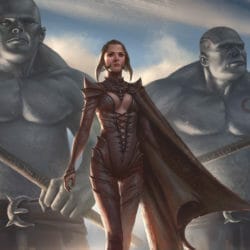
The process of character creation is a framing device. It shows us as players what the game cares about, how we are supposed to navigate it and what is likely to be important going forward.
Genre Police: Bring Me the Horizon

This article is about one of D&D three pillars. The previous articles, an introduction, combat and social pillars.
Genre Police: The Social Dilemma

I’d posit that while social interaction is often the most thrilling or engaging part most RPG games, it’s maybe a difficult master to serve.
Genre Police: Combative Behaviour

The clash of weapons, the thudding of bodies into each other, the split second moments where it can get totally out of hand, the variations of wounds.
Genre Police: Benji Vs The D

It’s time to talk about D&D.
Genre Police: Character Study
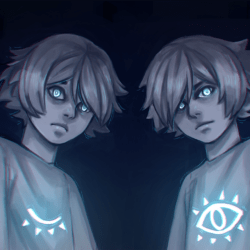
When you have a small number of players who want to tell a slightly bigger story or a small group but lots of ideas, you can create a situation where people play more than one character.
Genre Police: Character Assassination

So why are we discussing a German Marxist playwright from the forties? Well, I think Brecht’s viewpoint is also relevant to RPG play.
Genre Police: Take The Power Back
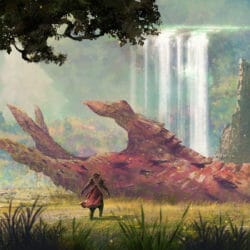
Let’s talk about control for a minute. Any time one person has a kind of control over another, there’s a power imbalance. This is constantly true about RPGs.
Genre Police: Elsa Was Right

The heart of most RPG is a collaborative effort dictated by a conversation. The programming loop of most games is ‘player dictates own narrative, makes check, GM describes narrative until they are prepared to give it up, then they hand narrative back to players’, and it can seem jarring to deviate from that.

