
This is an example of a living world. Which is the model presented above. A game world that is affected by several play groups and the knock-on effect of actions in one game, change those in others.
Articles by Ben Jackson-Ellery
In this archive, you'll find Ben Jackson-Ellery's recent work on Tabletop & RPGs.
Genre Police: Parallel Play

Sometimes, roleplaying games can become very focused on the heroes.
Genre Police: Zero To Hero
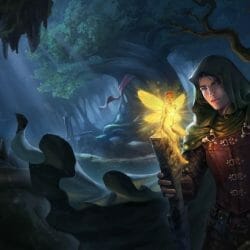
What’s session zero? The GM gathers a group and informs them about the game; you discuss expectations and characters. Where did it come from?
Genre Police: Strange Brew

We’ve finally got to the point of my articles about universal terminology in the RPG community, where we need to talk about the term ‘homebrew’.
Genre Police: Too Cool For School

Ok, this is maybe the most frustrating thing I have encountered as a player.
Genre Police: Not The Destination, but the journey

So you have a group of wandering heroes. They need to get from a village in a woodland to the far north, an orcish settlement surrounded by ice and snow, to see if they can treat with the leader of the clan.
Genre Police: Sand in the Eyes

You thought you were ready. You’d planned a series of twenty or so hooks in the city. A massive hotbed of intrigue and factions. Session three, the players leave the city because they’ve angered the law and never look back. You have to improv in the wilderness. None of it sounds as good as the city would have done.
Genre Police: Staying On Track

In reality, some of the comfort of certain games comes from their predictability.
Genre Police: Wangrods and Warriors
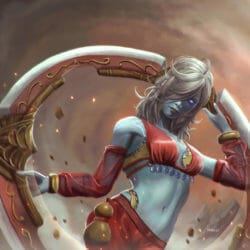
I think ‘The Wangrod Defence’ is the perfect example of what happens when we refuse to view the meta.
Genre Police: Meta-Lurgy

Meta. The term is mentioned a lot in D&D circles. When someone does something outside of what their character knows, people roll their eyes and say ‘uhh..meta’.

