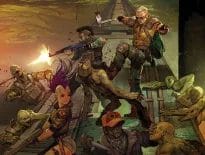
The iconic Inn of the Welcome Wench, a cornerstone of the Dungeons & Dragons setting of Greyhawk for nearly fifty years, has undergone a rebranding that has set social media ablaze. In recent materials for the Legends of Greyhawk campaign, players arriving in the village of Hommlet have found the familiar “buxom girl” sign replaced by the Inn of the Paladin Prince.
While critics on X have decried the move as a modern “sanitisation” by Wizards of the Coast, the reality is far more mundane, and significantly more historical. A deep dive into the campaign’s narrative reveals that this change was not a corporate mandate to appease modern sensibilities, but a specific, lore-driven story beat that has been documented for nearly a year. This is a case of outrage arriving late to a party it was never invited to attend.
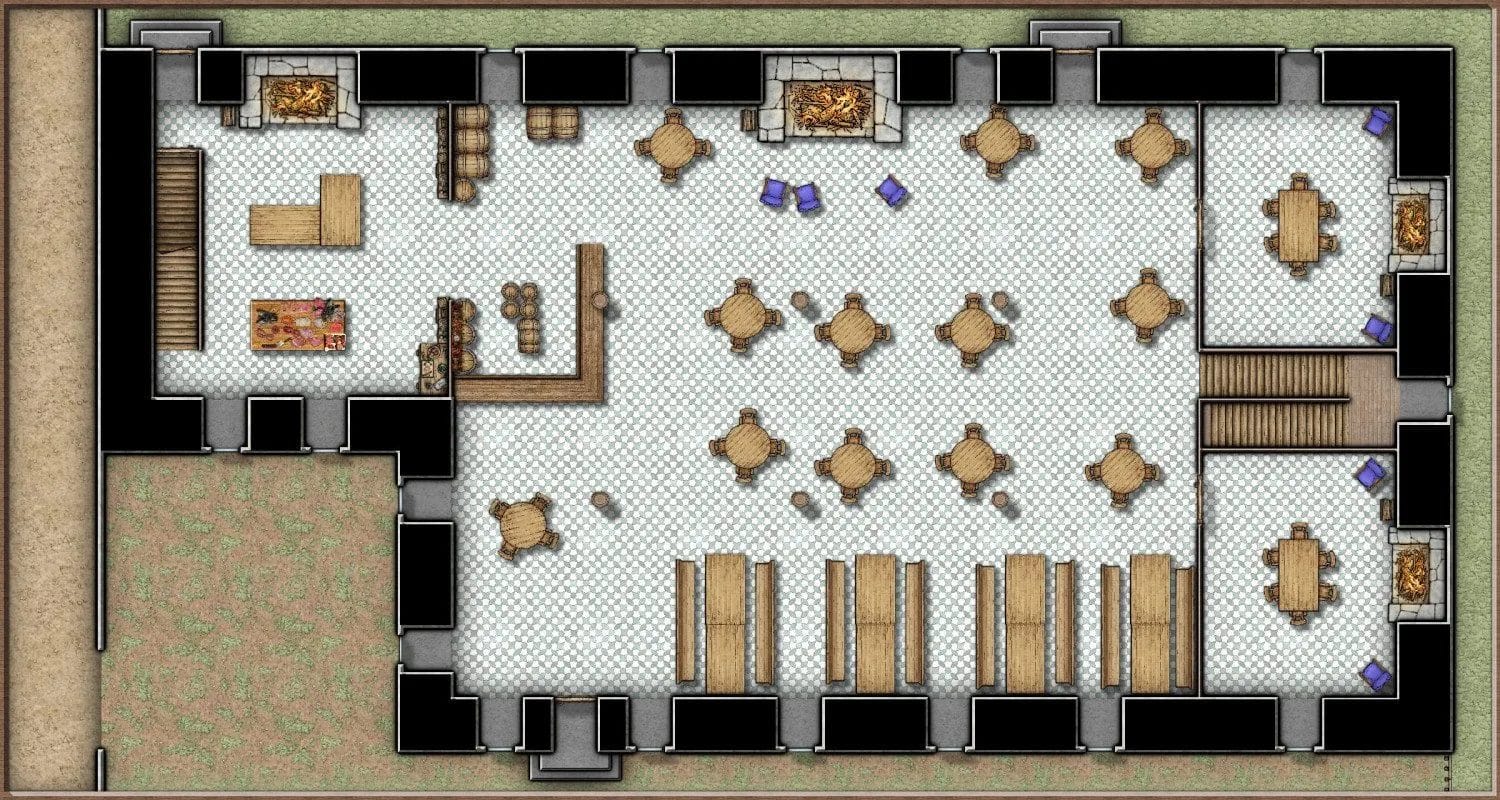
The transition from “Welcome Wench” to “Paladin Prince” is a direct result of the Legends of Greyhawk timeline, an organised play campaign managed by Baldman Games. According to the adventure All for the Paladin Prince by Andy Dempz, the search for the missing Prince Thrommel IV of Furyondy, the titular Paladin Prince, reaches a narrative peak in the village of Hommlet. In the campaign’s continuity, the innkeepers Ostler and Greta Gundigoot renamed their establishment to honour the Prince after he stayed there and used it as a military headquarters during his crusade against the Temple of Elemental Evil.
The “outrage” currently circulating on social media appears to be suffering from a significant lag. Evidence from the Great Library of Greyhawk, the setting’s primary fan-run wiki, shows that the rebranding was documented as far back as August 2025. The edit history for the Hommlet entry explicitly details the change as a narrative reward for players engaging with the Legends of Greyhawk storyline. This suggests that the vocal minority currently swearing off Wizards of the Coast products is reacting to a decision that active players accepted and played through months ago.
Furthermore, the target of the anger is arguably misplaced. Wizards of the Coast provides the license, but the creative direction of Legends of Greyhawk rests with veteran designers like Eric Menge. For these writers, the name change is a “chronological marker” that signals the Flanaess is a living, breathing world where characters’ actions have consequences. By renaming the inn, the authors are acknowledging the historical impact of Prince Thrommel’s return to the setting, a plot point fans have requested for decades.
There is a distinct irony in the current discourse. Many of the voices most agitated by the “loss” of the Welcome Wench name are the same individuals who frequently claim they will never buy another product from Wizards of the Coast. If the change is intended for a campaign they are not playing in, or a setting they are not purchasing, the level of vitriol seems disproportionate to the actual impact on their hobby. To the characters living in the village of Hommlet, the new sign is a badge of honour; to the internet, it is merely the latest excuse for a misplaced fight.
The Gundigoot family remains in charge of the taproom, though the business has evolved. Their daughter, Vesta Gundigoot, now manages much of the work, and the common room is decorated with artefacts from the Prince’s stay. While the name on the door has changed, the “warm welcome” promised in the original 1979 module remains intact; it just happens to be under a sign featuring a mounted knight rather than a serving girl.