It’s June, halfway through the year. Can you believe it? This month, every paying Patreon got an RPG Stories VTT as part of the Patreon gift program. You’re welcome! I hope it’s a handy option.
Bronwen covered the podcast while I was out at UK Games Expo, which turned out to be the largest ever and dwarfs Gen Con in terms of exhibitors.
Your Adventure Awaits
Join Geek Native's patrons and become a hero in your own randomly generated story.
This month we offer thanks to; Chip Mosher, Sean P Kelley, Philippe Marcil, Adept Icarus, Noril of Cold River, R Waibel, Allen Varney, Kate, Paul Wilson, and Heike.
Exciting news! Geek Native’s patrons have chosen Dice Average RPG as our celebrated honoree for June! Don’t forget to visit the Spotlight page to discover previous months’ winners. What a great way to celebrate our amazing community!
Patreon supporters have the opportunity to vote in this month’s poll because they are wonderful people.
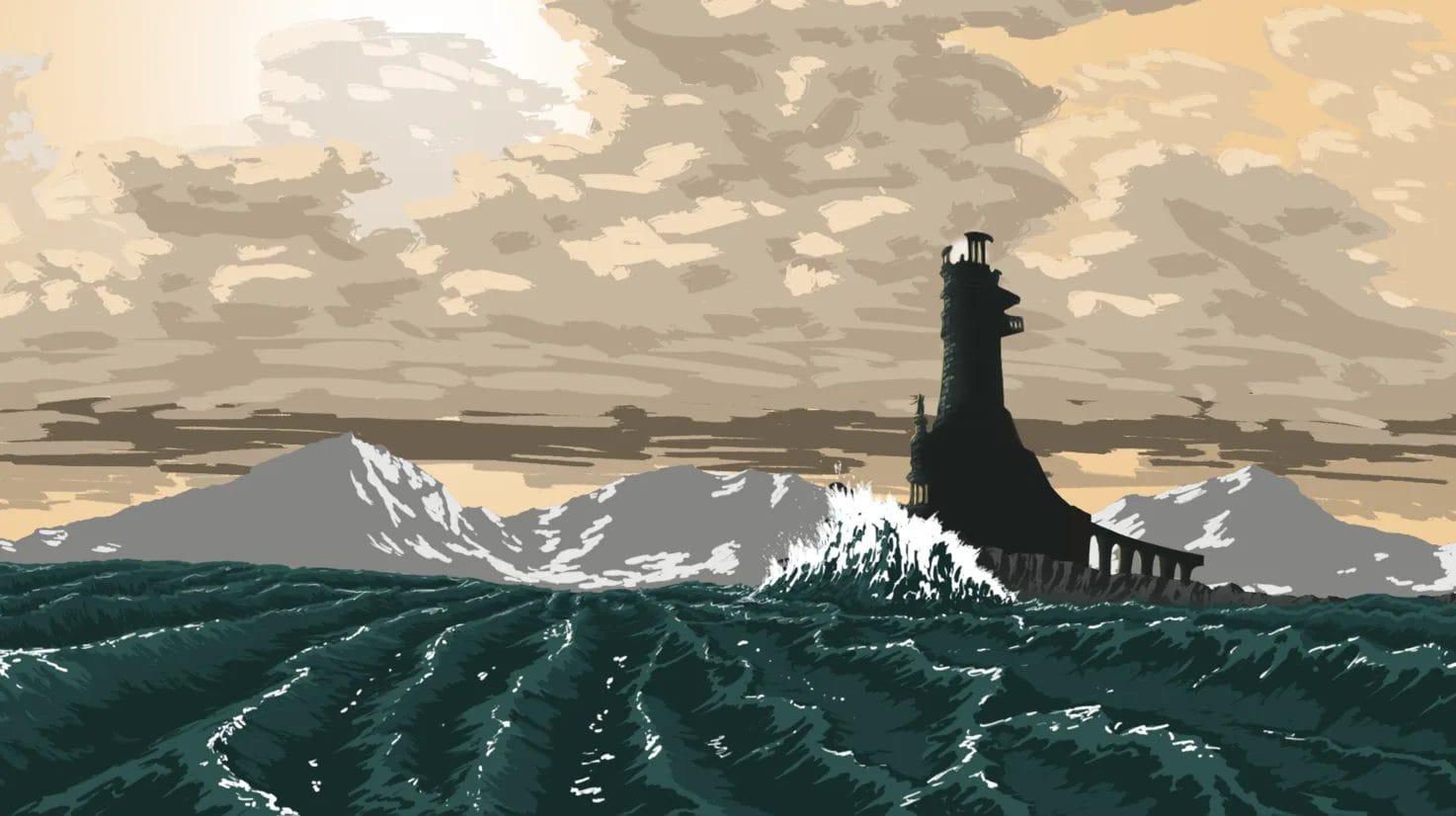
The five candidates for next month’s RPG Publisher Spotlight are:
To cast your vote, visit this patrons-only page.
Sun, Sweat, and Scarecrow Masks: Inside the Summerween Aesthetic
Horror is traditionally a winter sport. We associate it with long shadows, dead leaves, and the cold, rattling wind of late October. But a growing counter-movement has completely inverted this timeline.
Summerween, and its more literary cousin, Gothic Summer, drag the macabre out into the blazing midday sun. It is a sub-genre that trades foggy moors for humid swamps, dusty crypts for sun-bleached porches, and carved pumpkins for glowing watermelons. For tabletop roleplaying game players and Games Masters looking to shake up their seasonal campaigns, it offers a brilliant toolkit for subverting player expectations.
The Origins: From Cartoon Gag to Subcultural Movement
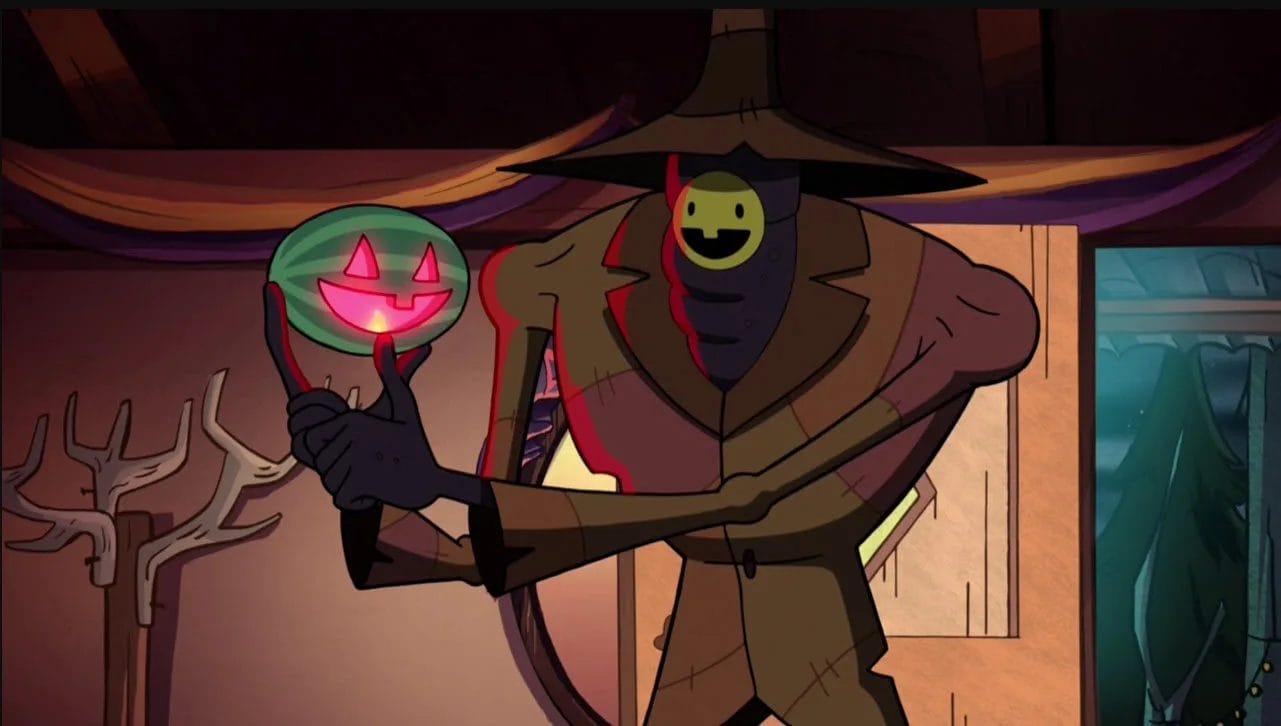
While folk horror has long explored the dark side of agriculture and harvest festivals, the literal term “Summerween” tracks back to a specific pop-culture flashpoint: the animated series Gravity Falls.
In the season one episode “Summerween”, the townspeople of Gravity Falls, Oregon, love Halloween so much that they celebrate it twice a year, carving “jack-o-melons” from watermelons on the 22nd of June.
Over the last decade, this tongue-in-cheek cartoon concept has evolved into a massive online aesthetic. It captures the longing that horror enthusiasts feel during the bright, sunny months of June, July, and August, blending traditional spooky iconography with distinct summer elements:
- Vibrant Nostalgia: Evoking the feeling of endless childhood summer holidays, isolated holiday resorts, and rural Americana, layered with an unsettling undercurrent.
- Daylight Dread: Moving away from the safety of “waiting until dark” to confront horrors that are completely visible under an overexposed, blinding sun.
- The Rot of Abundance: Instead of the barren, dead landscapes of autumn, Summerween focuses on the oppressive nature of peak growth; suffocating humidity, aggressive swarms of insects, overgrown weeds, and rapidly spoiling fruit.
Essential Reading and Viewing
To truly capture the atmosphere, GMs can look to a few seminal books and films that weaponise summer heat to generate tension.
The Litmus Tests for Daylight Horror
| Work | Medium | The Summer Twist |
| Midsommar (2019) | Film | Continuous, inescapable Scandinavian daylight. The cult rituals take place in a beautiful, wildflower-strewn field where characters cannot hide in the shadows. |
| The Elementals by Michael McDowell | Novel | An Alabama beach holiday where the supernatural threat is directly tied to blinding white sand dunes slowly swallowing a trio of Victorian summer houses. |
| The Wicker Man (1973) | Film | An isolated Scottish island preparing for May Day. The horror is entirely communal, mask-wearing, and driven by the desperate need to ensure a successful summer harvest. |
TTRPG Techniques: Mechanics for Hot-Weather Horror
Translating Summerween or Gothic Summer to the tabletop requires shifting your descriptive and mechanical focus. GMs cannot rely on the classic “the torches flicker in the damp cavern” routine. Instead, use the environment as an active adversary.
1. Subvert Spatial Safety (Weaponise the Light)
In standard fantasy RPGs, players feel safe in the sun and vulnerable in the dark. Flip that dynamic entirely.
- The Daylight Penalty: Create environments where the sun is too bright. Prolonged exposure causes exhaustion, blurred vision, or glare penalties to perception checks.
- Nowhere to Hide: When the monsters or cultists attack in broad daylight, stealth mechanics become incredibly difficult for both sides. The players are entirely exposed, stripped of the tactical comfort of shadows.
2. Focus on Sensory Decay
Replace the description of cold stone with the visceral discomfort of peak summer.
- The Soundscape: Emphasise the relentless, rhythmic drone of cicadas or crickets that grows deafeningly loud right before something terrible happens, cutting off acoustic detection.
- The Smell of Spoilage: Describe the sweet, cloying smell of overripe fruit rotting on the vine, or the stagnant, choked water of summer swamplands.
- The Weight of the Air: Make the heat feel heavy. Describe sweat stinging the eyes, armour chafing against raw skin, and the desperate need for clean water supplies.
3. Twist the Aesthetic Elements
Lean into the specific material culture of a Summerween setting to build your props and encounters.
- Vegetable Magic: Swap out traditional component pouches for items carved from summer agriculture. Witches using dried corn husks, or protective wards carved into thick-skinned melons that bleed sticky juice when pierced.
- Festival Masquerades: Have local villagers wear lightweight burlap or straw masks to protect themselves from the sun; masks that just happen to look like grinning, hollow-eyed beasts during their midsummer festival.
The Mechanical Takeaway: If you are running a system with survival mechanics (like Forbidden Lands or gritty D&D variants), track hydration rather than just rations. A party forced to dump their heavy iron plate armour just to avoid heatstroke makes for an incredibly tense, vulnerable, and memorable summer session.