Buying Magic: The Gathering singles as holiday gifts carries higher risk as counterfeit print runs grow harder to spot on online marketplaces. The warning comes alongside heightened legal scrutiny over commercial replica cards, including Wizards of the Coast’s November 23, 2026 federal lawsuit against the PrintMTG enterprise seeking up to $28.65 million in statutory copyright damages, as covered in Geek Native’s PrintMTG lawsuit report.
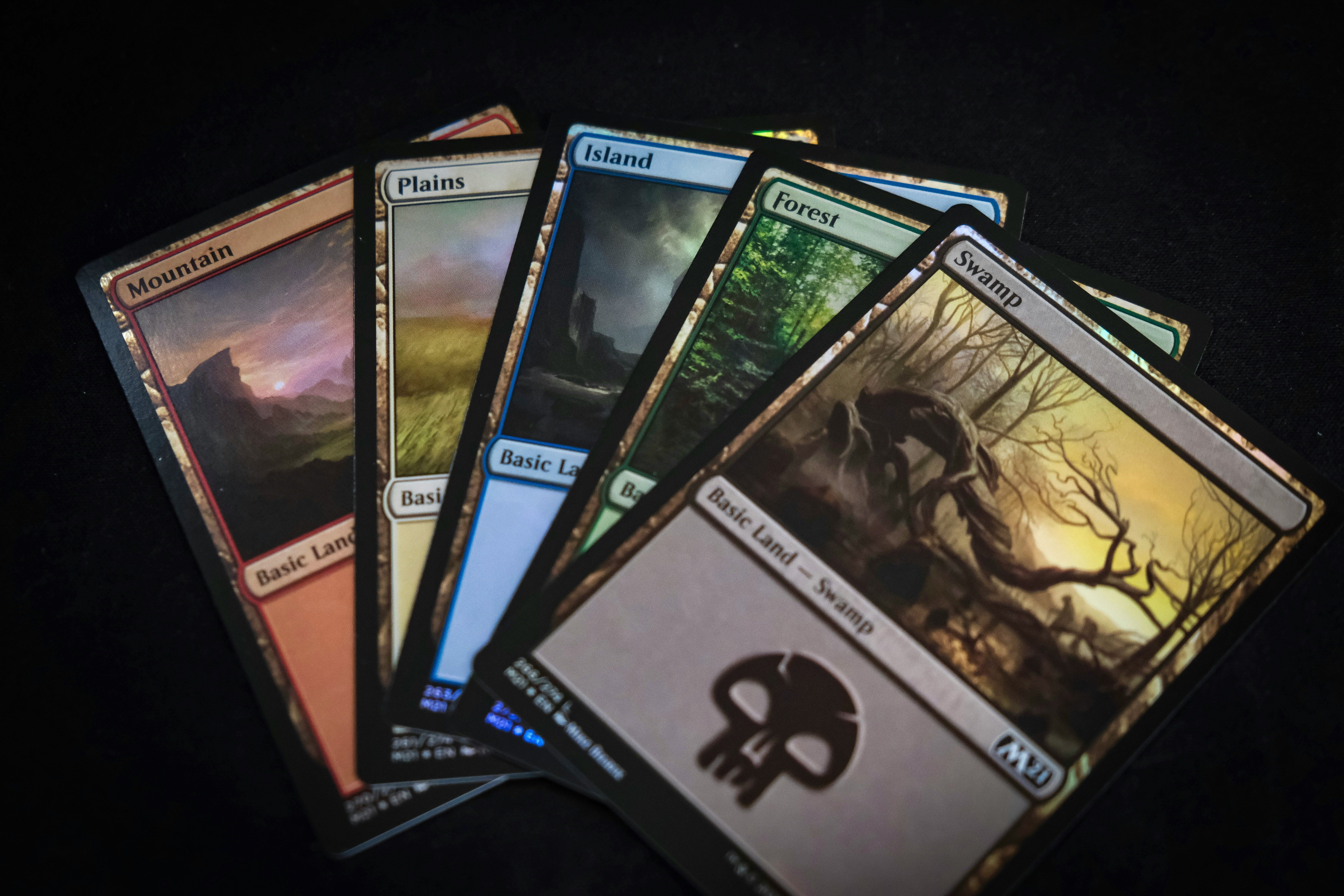
Stuart Robb, co-owner of Thistle Tavern across Edinburgh and Aberdeen, shared five physical checks buyers can run before paying for high-value singles. Following its expansion from Union Street in Aberdeen to Shandwick Place in Edinburgh, reported in Geek Native’s Thistle Tavern flagship coverage, the retailer stocks over 150,000 singles alongside daily organised play.
Compare finish and print details against a known real card
Sleeves can hide colour shifts, border defects, and surface glare, so inspect bare cards side by side under consistent lighting. Match like with like, comparing foil against foil and non-foil against non-foil from the same set where possible.
One of the easiest ways to spot a fake is to compare it directly with a genuine card from the same set and with the same finish.
Take both cards out of their sleeves and look closely at the colours, font, spacing between letters and surface texture. Compare foil with foil and non-foil with non-foil, as the finishes can look quite different.
If you notice any obvious differences, it’s worth investigating further. Sleeves can hide important details, so always inspect the card itself.”
Inspect rosette dots and black text under magnification
A basic loupe or magnifying glass reveals ink structure that looks convincing at arm’s length. Genuine printings keep black rules text, borders, and set symbols crisp rather than breaking them into coloured halftone dots.
You don’t need expensive equipment to check a card’s printing. A basic magnifying glass can help you spot details that aren’t visible to the naked eye.
Genuine Magic cards have a distinctive, sharp printing pattern made up of tiny coloured dots. The black text, borders, and set symbols should appear as solid, clearly defined lines.
On many counterfeits, the printing looks blurred, or the black lines appear to be made up of coloured dots that blend into the surrounding artwork.”
Check the green mana dot, logo stem, and card back
Card backs offer two classic micro-checks on the reverse face, alongside colour and gloss cues. Look inside the green circle among the five coloured mana pips and inspect the letter T in “The” below the main Magic logo.
The back of a Magic card contains several small details that can help you identify a fake.
Look at the green circle among the five coloured circles. Within the lighter area, you should be able to see four small red dots arranged in an L shape.
Next, examine the letter T in the word ‘The’ beneath the large Magic logo. The left edge of its stem should be straight, while the bottom and right edges have a distinctive wavy appearance.
Counterfeit cards can have murkier colours, a greenish tint or an unusually glossy finish. However, wear and printing variations can affect these details, so don’t rely on one feature alone.”
Weigh singles and shine a torch through the stock
Weight and core opacity give two fast physical clues when you have a precision scale and a bright light source. Treat any single reading as circumstantial, since genuine print runs vary across sets and eras.
If you have access to a precision scale, weighing a card can provide another useful clue. Genuine Magic cards typically weigh between 1.7 and 1.8 grams, while some counterfeits are heavier, at around 1.9 grams.
You can also try shining a bright torch through the card. Genuine cards allow some light through and typically show a bluish core around the edge, whereas many fakes are more opaque or have a black core.
Always compare your card with a genuine one from the same set and, where possible, the same print run, as genuine cards can vary.”
Verify flush foil stamps on rare and mythic printings
Rare and mythic rare cards from Magic 2015 onward carry an oval security stamp along the lower edge. Better counterfeits are catching up on these stamps, so pair a stamp check with magnification and back inspections.
Modern rare and mythic rare Magic cards printed from Magic 2015 onwards feature an oval holographic stamp at the bottom centre of the card.
The stamp should sit flush with the surface and reflect the light when you tilt the card. If it looks raised, dull or blotchy, it could be a warning sign.
Some better-quality counterfeits can replicate holographic stamps convincingly, so make sure you use this check alongside the others.”
Combine multiple checks without damaging valuable cards
No single test proves authenticity on its own, and aggressive tests can ruin genuine cards. When spending serious money on singles, get a second opinion from an experienced local game store rather than bending stock or applying liquids.
The most important thing to remember is that no single test can definitively prove a card is genuine or fake. Always combine several checks and compare the card against one you know is authentic.
If you’re buying an expensive card and aren’t completely confident, take it to your local trading card shop and ask for a second opinion. Most importantly, avoid bending cards or using liquids to test them, as you could end up damaging a genuine and valuable card.”

