Wizards of the Coast filed an eight-count federal lawsuit on November 23, 2026, in the U.S. District Court for the Western District of Washington (Wizards of the Coast LLC v. Dunn, No. 2:26-cv-04617) against Ryan James Dunn, 32 other named individuals, 15 Doe defendants, a Reddit-named defendant, and eight Utah companies collectively called the PrintMTG Enterprise. The 97-page complaint alleges the defendants printed and sold counterfeit Magic: The Gathering cards marketed as proxies from a Springville, Utah print shop across more than a dozen storefronts, seeking statutory and actual damages that the filing cites as reaching up to $28,650,000 in statutory copyright damages alone.
For tabletop players, kitchen-table commanders, and independent game shops, the filing matters because it draws a sharp legal distinction between private, non-commercial stand-ins and commercial products that copy official card backs, frames, artist credits, holograms, and legal notices.
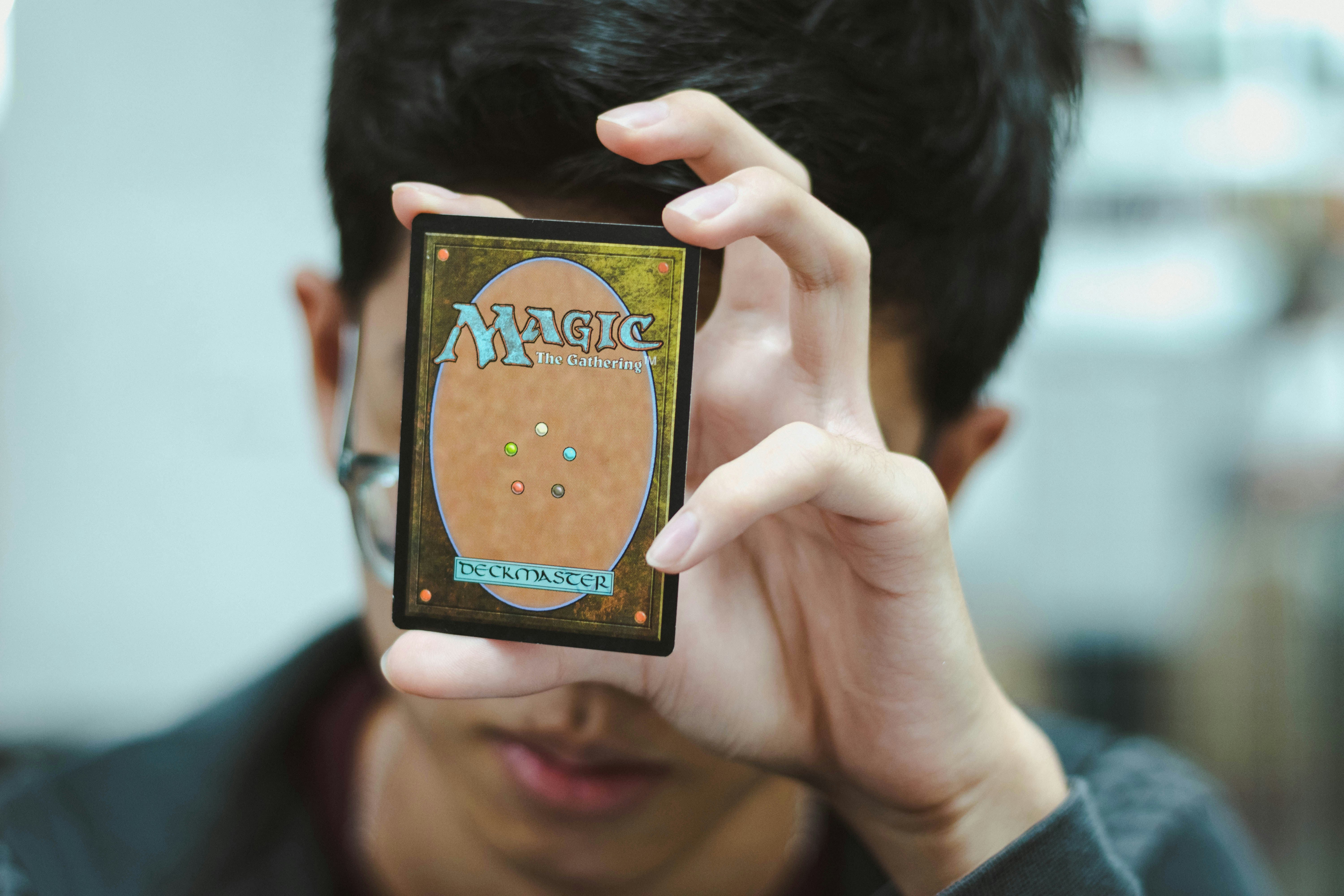
What the eight counts target in PrintMTG
Rather than treating commercial proxy sellers as a simple copyright dispute, the complaint pairs copyright and trademark claims with civil RICO and consumer-protection counts. It alleges that storefronts such as ProxyKing.biz and PrintMTG.com used custom ordering tools, fake or hijacked business details, and review sites without conflict-of-interest disclosures to sell replica cards designed to look convincing in play.
| Claim or Filing Detail | Statutory Basis or Scope | Practical Focus in the Complaint |
| Direct Copyright Infringement | 17 U.S.C. §§ 106, 501 | Reproducing, distributing, displaying, and making derivative works of registered Magic set art, frames, and text across 191 identified registered works |
| Vicarious & Contributory Infringement | 17 U.S.C. § 101 et seq. | Custom card ordering tools and decklist uploaders that auto-populate copyrighted art and legal text |
| Civil RICO | 18 U.S.C. § 1962(a), (c), (d) | Alleged pattern of racketeering involving counterfeiting, fraud, and money laundering across eight Utah LLCs and named individuals |
| Trademark Counterfeiting & Infringement | 15 U.S.C. § 1114 | Copying Magic word marks, mana symbols, Planeswalker marks, card backs, and authentication holograms |
| Washington Consumer Protection Act | RCW 19.86.010 et seq. | Deceptive marketing, unverified review sites, and consumer harm across commerce |
| Trade Dress & False Advertising | 15 U.S.C. § 1125(a) | Card frames, backs, colour identities, domain names, and undisclosed review endorsements |
| CMI Violations | 17 U.S.C. § 1202 | Adding or preserving copyright notices and artist credits on unauthorised print runs |
| Civil Conspiracy | Common law (joint and several liability) | Alleged shared agreement and profit distribution across enterprise participants |
The case is at the initial complaint stage following its November 23, 2026 filing, so none of the allegations has been proven in court, and the dispute can still settle or change before trial.
How Wizards separates casual proxies from counterfeits
A common worry whenever a major publisher sues a print shop is that casual players scribbling card names on basic lands or sleeve inserts will suddenly be in the crosshairs. In the complaint, Wizards explicitly separates private, non-commercial proxying (such as testing deck ideas or preserving expensive cards in casual play) from commercial sales of cards built to mimic genuine Magic printings.
- Write-ins and basic stand-ins: Writing a card name on a basic land or slipping a printed slip over a bulk card in a sleeve carries no commercial counterfeit packaging or trade-dress replication, though sanctioned tournament rules still govern whether proxies are allowed at an event.
- Commercial lookalikes with official marks: Cards printed with official card backs, frames, holograms, copyright lines, or artist credits blur the line between a playtest aid and a counterfeit item that can be traded or mistaken for real stock.
- Fan Content Policy boundaries: Wizards points to its Fan Content Policy, which prohibits commercial sales and verbatim copying of its intellectual property, specifically calling out counterfeit or proxy Magic: The Gathering cards.
- Secondary-market spillover: Even when a seller labels cards as proxies on a storefront, realistic card backs and legal notices raise risks that singles enter circulation or confuse buyers on secondary marketplaces. (As noted in reporting by ICv2, realistic single listings across online marketplaces have long complicated buyer checks for casual and secondary-market cards.)
Practical checks for players and store organisers
If you run casual Commander pods, organise local events, or buy singles online, a few habits help keep games and collections straightforward:
- Check event rules before shuffling: Confirm whether a local store or casual group permits proxies, and whether they require non-commercial stand-ins rather than replica card backs.
- Inspect card backs and holograms on singles: Look closely at card backs, foil stamps, and legal text lines when buying high-value singles or trading outside trusted channels.
- Avoid commercial replica storefronts: Treat websites advertising realistic Magic card backs or auto-filled copyright lines as high-risk IP infringement, not harmless custom printing.
- Keep playtest proxies clearly distinct: If your group allows stand-ins for testing or collection protection, keep them obviously marked as non-official playtest pieces so they never get mixed into trade binders.
For readers following how tabletop publishers police intellectual property and licensing, this filing sits alongside Geek Native’s ongoing coverage of trading card game legal battles and tabletop RPG copyright rules.
Photo by Wayne Low on Unsplash.

