The tabletop industry has reached a watershed. The “cosy” movement has transitioned from a pandemic-era refuge into a million-pound commercial powerhouse, effectively redefining the financial and creative boundaries of roleplaying games.
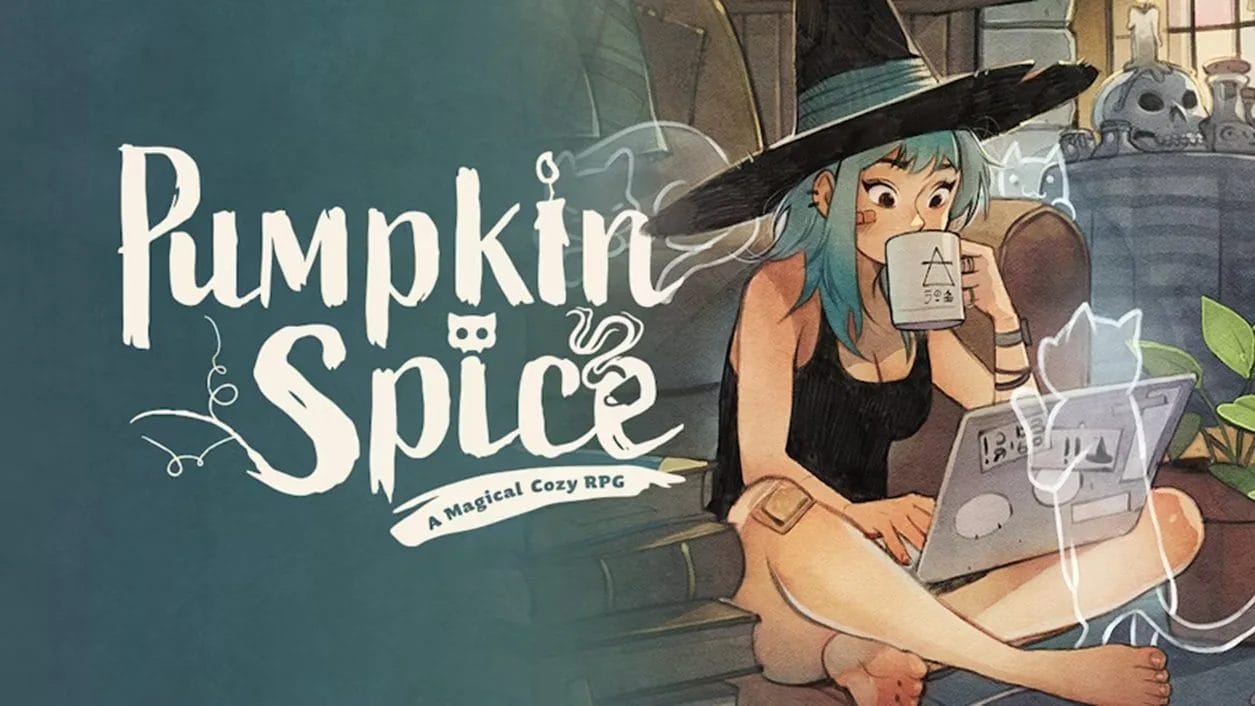
The shift in the gaming industry became evident in March 2026 with the end of Acheron Games’ crowdfunding campaign for Pumpkin Spice. This project, which advertises itself as a “magically cozy” experience about running a mystical café, raised over $1.34 million from nearly 9,000 backers. This milestone is important not just because of the amount raised, but also because Acheron Games was previously known for its gritty “Spaghetti Fantasy” setting, Brancalonia. As reported by Geek Native, this shift from dark themes to a more comforting vibe reflects a broader industry trend; established publishers of high-action content are increasingly focusing on the “fantasy of safety.”
Simultaneously, the genre has achieved a historic level of critical validation. In mid-March, The Bonsai Diary, a solo journaling experience about the slow, generational growth of a tree, was named a finalist for the 2026 Origins Award for Roleplaying Game of the Year. It is the first journaling title to compete in the top category alongside mainstream tactical giants, proving that “softness” is no longer a niche aesthetic but a rigorous ludological achievement.
A Timeline of Tranquillity (2013–2026)
The following timeline maps the evolution of the genre from a Japanese import to a dominant force in Western tabletop culture.
The Therapeutic Imperative
The popularity of these games is strongly connected to their use as a helpful tool for mental health. A 2025 survey by StartPlaying, involving 1,000 players, found that roleplaying games have become an important resource for many. In fact, 76% of respondents said they use these games to deal with trauma. Moreover, 78% of Gen Z players credited the hobby with helping them build close friendships, a much higher percentage compared to earlier generations.
These TTRPGs offer a “stress buffer,” which means players can enjoy the game without facing the harsh penalties often found in traditional gaming systems. Some professionals have started using these relaxed task rhythms in therapy sessions. For example, Tall Grass Therapy shows how this low-pressure approach can help clients tackle real-life goals and manage anxiety.
The Cost of Comfort
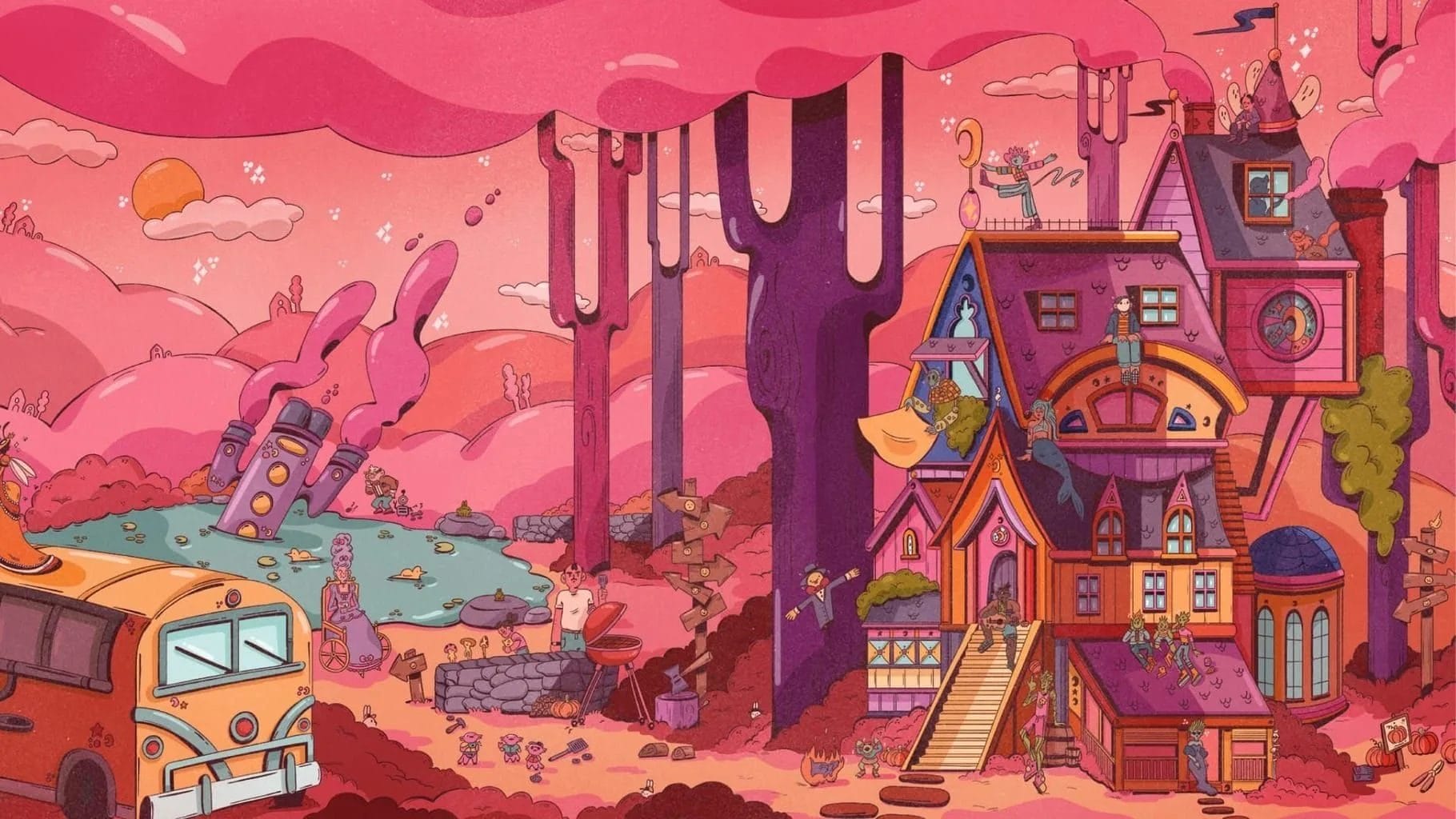
Even with the success of Pumpkin Spice and The Bonsai Diary, the genre is still dealing with typical gaming-industry dramas. As of early 2026, the award-winning game Yazeba’s Bed & Breakfast is largely unavailable in print due to a legal dispute. Rascal News reports that this dispute involves allegations of contract breaches that have halted physical shipments and left the future of this popular title in limbo.
This contradiction, where games meant to be “safe” end up in legal issues, shows the difficulties a genre faces as it moves from the indie scene to the mainstream. As publishers focus on creating more idyllic experiences, they still need to find a way to keep the deep empathy in the game mechanics while also meeting the high demands of a multi-million-pound market.
Readers looking to explore the origins of the movement can find the foundational texts in Ryuutama and Golden Sky Stories via DriveThruRPG.
Independently covering Ryuutama since 2018. Our archive includes 6 entries connected to this topic.
Latest entry: May 2026



