Recently, I wrote an article about player engagement and how to work with players who are (for good and bad reasons) not committing to a game. And while in that article I outlined the best way to aid someone to engage fully with your themes and ideas, I recently realised that I also need to talk about the flip side of the coin. I had an experience that made me rethink some of my approaches to group management. Let’s talk about the most engaged players.
Historically, when we hear advice about players who are taking a lot of ‘airtime’ in a game, it’s framed as a problem. We understand that there are people who take up a lot of the game session because they’re domineering or self-absorbed, or are just disruptive and then draw focus of the plot towards whatever they are doing.

And these players do exist. Years ago I a TMNT game I played in was hijacked by a guest player with nothing to lose. The GM spent so long dealing with those players ‘antics’ that none of the rest of us got to do anything. At that point I learned, ‘And we’ll cut away from you and come back to that’ can be an important tool in the GM armoury. Sometimes, making a player realise they aren’t the centre of attention and if they’re doing something separate from the group and disruptive, they get less ‘airtime’ than the segment with all the other players in can be useful for setting expectations.
But this isn’t actually what I want to focus on. For a moment, let’s talk about those players that are not only totally engaged in the action but make the decisions for the group, talk to lots of NPCs, jump on clues you set before them, follow plot beats they find interesting, and want to know the world you made. These players are, to be quite honest, a GOLD MINE. Do not let them go.
In my career as a GM, I’ve found that if each group has a player who is constantly dedicating themselves to making sure the plot does not get jammed, they’re always seeking the forward motion so the game will run on and on. You’ll never ask ‘what’s the plan?’ to a group of players and be met with a sea of blank faces. The engaged player will always have a way of at least opening the discussion or an idea to throw in, even if it’s bad.
Now I’m not calling out players who can’t do this; everyone has different energy levels when they come to a game, or different reasons to be there. Instead, I’m saying this to note that constantly engaged players are helping us out as GMs.
So why do I treat them so badly?
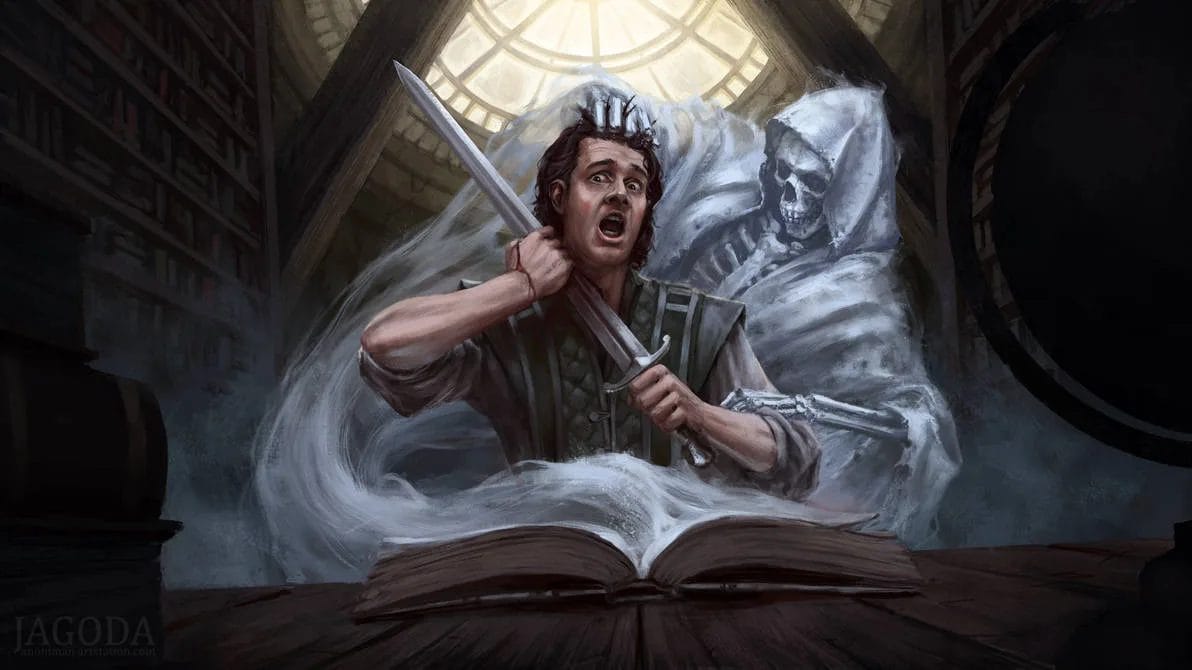
I hadn’t realised this until recently but it’s worth noting. Those players are often doing some serious heavy lifting. They’re often putting plot first over their individual character beats, shouldering the task of making progress or keeping the party from stagnating. And how have I been repaying them? Well, I’ve moved the plot forward. This seems like fair reward for their actions and the basic loop of most RPG plots – if the players make active and clever progress towards a goal, then they should be moving the goal closer. Except in a recent Vampire game, I realised something else has been happening.
The way I run Vampire is sort of like a personality sandbox, in which the players can uncover secrets of a city through conversations with the right people, action at the right time and progress personable goals through political manoeuvring and power building. It’s not a complex plot when a campaign begins, it’s only later when they trip over enough other people’s schemes does the game start having a goal and driving narrative.
At this stage in the game, the Sabbat vampires are putting together a plot to revenge themselves on the Camarilla kindred who have made their unlives hellish. They are working a number of alliances and intrigues to uncover enemy havens, put together a plan and destroy them. Some players are finding it easier to engage with and continue this crusade. They just find it easier to construct the plotting part without being worn down. And I’ve been trying to manage this by giving the other players things to do with regards to their backstories or other plots, in order to give them material to work with. This way, I thought, everyone is happy. The players engaged with the main plot are getting this element done. The players who aren’t are uncovering stuff that deepens their character and adds layers of complexity to their game.
But can you see the problem? You might have guessed it. I was recently talking to one of the engaged players and they said they missed certain NPC characters they hadn’t seen in a while. And I was about to say ‘well you could go and talk to them at any time’ when I realised that no, the player feels like they can’t make that decision. They see it as their role to constantly be driving the plot forward. The plot I allowed to become a focal point. And in order to do this, they’re sacrificing their chance to deepen their character and have those more rewarding downtime or backstory moments.
This rocked my perception of games I run. In order to stop that first type of problem player, I’ve been trying to make sure I give an even amount of time to each player. This means it’s become a difficult choice for some players to use that time. They have pick between ‘move the plot forward’ or ‘actively deepen my character outside of that plot’. So this is quite clearly a problem. It’s maybe a problem you don’t know you have either.
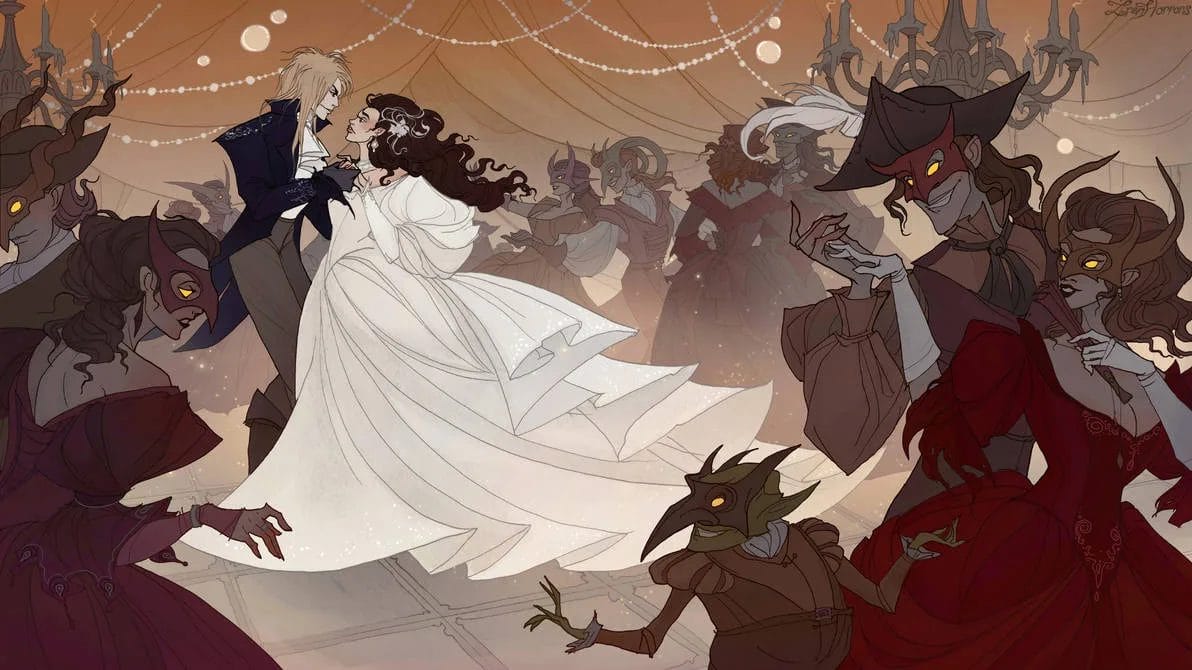
So what can we do? Thankfully, it’s an easy fix once you decide to act on it. Take a moment to look at the last four sessions of your game and check if the players driving the plot are getting less ‘side content’ than everyone else, specifically stuff for their characters that isn’t just about the main plot. Then if you find an inconsistency, start adding that content. Delve into their character bio or recent actions and bring up stuff you can use. Make it so there are periods of clear ‘downtime’. It’s easy for players to get caught up in the advancing plot and feeling that each progression generates another consequence without pause. A clear space and time to outline these sort of players ‘this is a time you can use to just relax and have a positive experience, bad things won’t be sprung on you’. Some of them need you to give them that time and outline it, they don’t know how to achieve it otherwise.
I went back with this idea in mind recently, to just allow some breathing room in my plot in Vampire. Start to loosen some of the timeframes a little for fallout, give players a while to explore who they are. And it worked. Just a five minute scene with a player making progress on an endeavour or someone taking time to sit and talk with an NPC seems to have loosened the game up, and now everyone enjoys it more.
I hope this has been helpful and given you a chance to re-examine and think about how you interact with your most committed players.
Creative Commons credits: Teenage Mutant Ninja Turtles by AlonsoEspinoza, The Curse by JakubJagoda and As the World Falls Down by Iren Horrors.