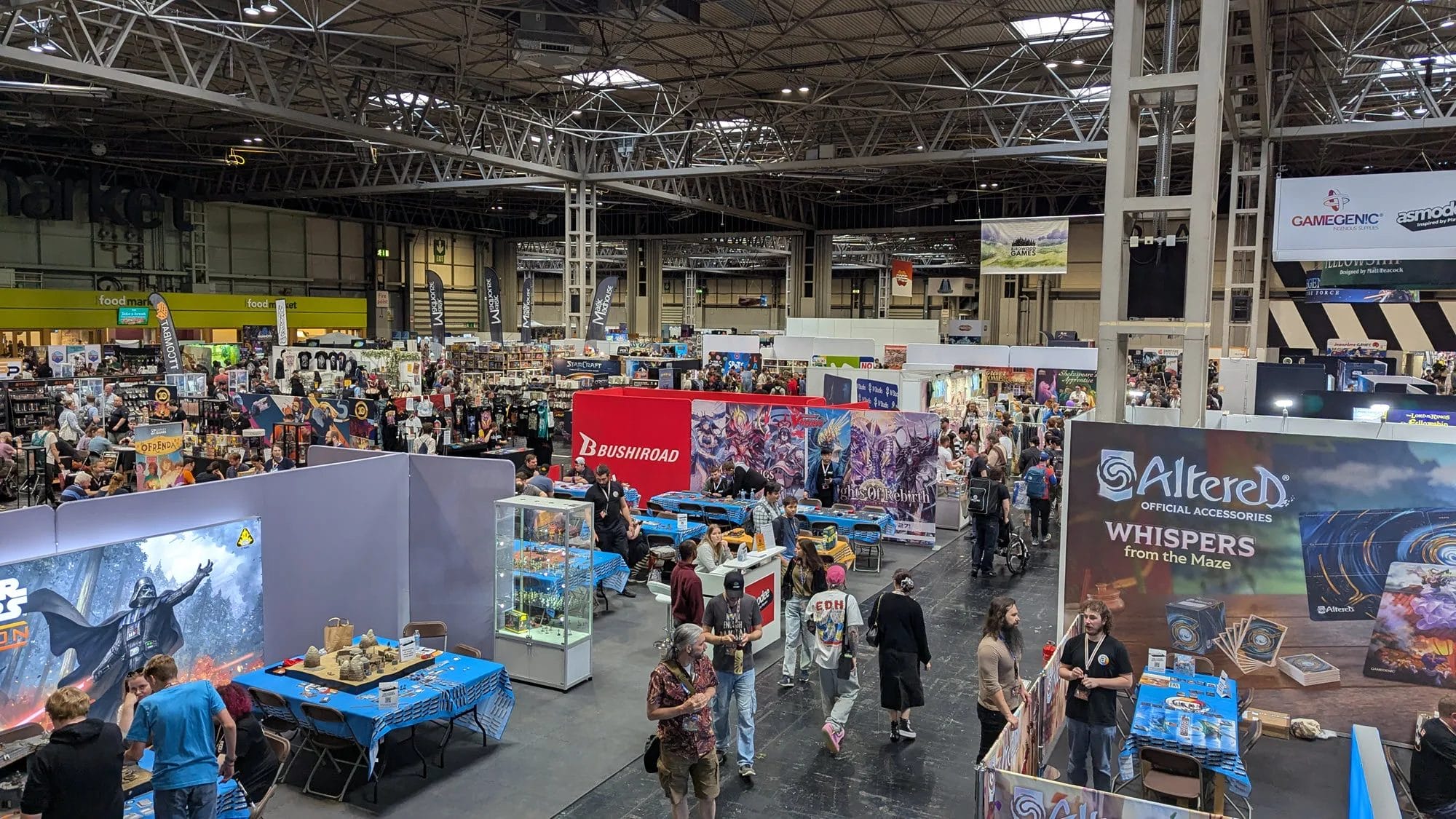
This weekend, from May 29 to May 31, the UK Games Expo is happening at the National Exhibition Centre in Birmingham, and it’s bringing something really special for fans of tabletop games. On Saturday night, the Bastion Indie Market will showcase a bunch of small-scale creators, featuring around 20 to 30 designers who focus on artisanal, small-run roleplaying games. These creators often fly under the radar since they don’t use platforms like Kickstarter. A study from StartPlaying shows how crucial it is for them to connect with Game Masters, as winning them over can really help their games find a home.
According to the platform’s statistics, players are three times more likely to try an entirely new system if it is introduced by a GM who already runs both D&D and alternative tabletop mechanics.
This insight is really important for creators working under the strict Bastion Indie Market rules. As reported before, the market’s complete ban on crowdfunding means that UK designers have to navigate a challenging landscape, cutting them off from traditional retail and distribution channels. Without crowdfunding budgets to reach a large audience, these designers need to tap into the GM multiplier effect. They don’t have to sell their handmade zines to an entire group; if they can inspire just one passionate GM, that’s often enough to get their work played.
The stakes for that GM can be pretty high. According to internal figures from StartPlaying, the average campaign runs for about 14 months. Getting a group to commit to over a year with an untested, independent RPG is no small ask. But interestingly, almost 30% of professional GMs on the platform primarily run games outside of D&D. When players trust their GM, it smooths out the learning curve for a new system, making that lengthy commitment feel much safer for those who are hesitant.
The StartPlaying survey also highlighted a 50/50 split in player preference between published adventure modules and homebrew campaigns. This even divide is highly encouraging for the basement hobbyists heading to the NEC this weekend. It proves there is a robust appetite for flexible, rules-light toolkits designed to support a GM’s homebrew world, proving that indie games can compete at the table without needing the massive, 300-page campaign books favoured by established publishers.
For the independent designers unpacking their games in Birmingham, the tabletop economics are clear. The mechanics matter, but the ultimate brand ambassadors are the folks running the game.
If you want to test out a new indie system or find a trusted GM to guide you through a 14-month epic, you can claim a $10 credit by signing up with this (affiliate) StartPlaying referral link.
Independently covering startplaying since 2020. Our archive includes 12 entries connected to this topic.
Latest entry: July 2026