Last night, most of my players were tired. It had been a rough week for everyone, and even before arriving, some were thinking about crying off. I managed a full house, but you could tell at the start that many were there out of a sense of commitment to each other more than anything else.

Three and a bit hours later, we had finished a memorable D&D session and everyone was in a good mood. We had not cured the tiredness, but we had at least not found the evening gruelling. I had taken a moment to gauge the session, rearranged my tactical, dangerous encounter, and gone in a completely different direction, allowing the players to instead assist a giant in making a shirt. I based the giant on a combination of Elvis, Dwayne “The Rock” Johnson, and The Fonz from Happy Days. People had a great time without feeling too much pressure, there was almost no need to do maths, and we were all just riffing off each other.
This morning, as I sit here thinking about roleplaying games, I realise I have often talked about treating roleplaying games as a serious art form, how to establish mood-heavy games, or pacing for tension, but I have rarely talked about the other side of the coin. There is an important part of these games that I have really struggled to talk about: bringing in the funny.
Why I Have Struggled To Talk About Comedy
Comedy is a very difficult beast to manage and it is often subjective. What one person finds funny, another might find cringy, lame, or even offensive depending on where you are taking things. Sometimes adding the funny to a game is the thing I think about least; I am often just leaning into whatever the players are doing as we riff off each other.
Over the years, that has taken different forms, from the well-meaning whimsy of last night’s D&D campaign to the absurdist humour of my Umbrella Academy-style Masks game to the buddy-cop hilarity of my Feng Shui campaign. It has covered the whole spectrum. But it hinges on knowing the sense of humour of the people playing the games and the characters being able to bounce off each other.
Giving general commentary is often difficult because I do not know the people at your table. But here is my take.
Embrace The Whimsy
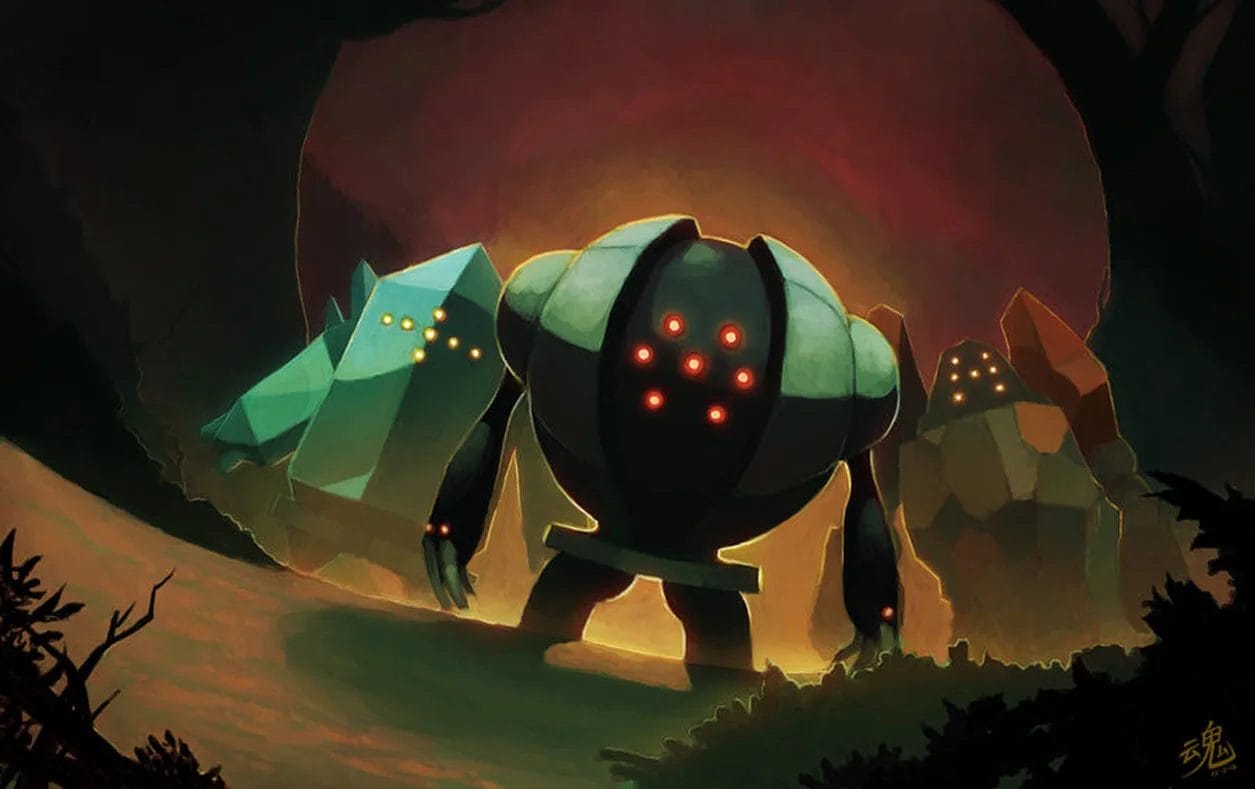
Sometimes you are in a game, and you can just feel it might be about to slide into some madness. In Feng Shui, one of my players decided he needed to knock out an unsuspecting Disneyland employee NPC dressed as Mickey Mouse. In that moment, you can either head it off at the pass or just go with it. It is my suggestion to always let it slide into the insanity. Take the thing that seems absurd and play up that description. I properly described the noise as Mickey’s head bounced off the desk and then waited half a beat before I upped the game with the elemental protective spirit of Disneyland set in a rock golem – in a Donald Duck costume.
Play The World Straight And Add Detail
You have to play the world straight, even if you are planning comedy. In a roleplaying game, the humour often comes from the paradox between the situation the players have found themselves in being so bizarre and their need to maintain the reality of the game. Each detail you add to a moment that reinforces the daftness really helps.
In the Feng Shui game, the thing that broke one of my players down into laughs was me describing “Donald” making the signature “quack-quack-quack-QUACK!” noise before spinning into an attack. In last night’s game, the giant’s physical description and the fact the giant would occasionally pose and flex reinforced his reality as a character and therefore made his existence more hilarious. The more rendered something is, the easier it is for players to invest in it, allowing them to visualise it better. Since in a roleplaying game the game exists in their heads, you need to keep outlining new ways in which it is funny. Make each detail sing, the way you would keep adding tension in an action scene.
This Medium Is Geared For Shenanigans
Comedy we watch on screen or stage is often delivered in a controlled space. We watch a film comedy and someone has worked on the timing and delivery of something designed to make you find it funny. But we are not in that medium. We are in an interactive space. It is geared to work together and you cannot be the sole arbiter of comedy. When a player picks up a ball of humour and runs with it, it is not your job to be funnier than they are. You instead need to watch them and work out where to respond to them with either the humour or the “straight man” role.
Go and watch any show with improv, or a stand-up comedian interacting with their audience in a way that isn’t dealing with a heckler. You sometimes need to be the comedian, but sometimes you need to be the audience. In a roleplaying game, the players and the audience are the same thing, so players need that hit of “wait, someone finds what I am doing funny!” Give them that sense of reward by building on anything they add to a comedy scene.
There are probably a thousand words I could write on how some players are here to be entertained while some are actually here to be cool or funny and have someone validate that. But this is an article about comedy, so let us just throw that to the wayside and embrace the core truth: there is nothing wrong with that. If someone is doing anything in a roleplaying game, then as GM, it is your job to like that player enough to help them feel like they are showing you something cool. It is why comedy scenes are so energising for players. In this moment, you are all working together to make a scene, but you are all also just being good friends.

I am sure we have all had that moment where we have told a joke or story that didn’t land and the people around us are clearly losing interest. It is a horrible feeling, and the great thing about roleplaying games is once we have locked in, you never have to suffer that. The medium is geared for you to make insane choices sometimes and see where they go. It is never going to find you “cringe” or “boring”. Some players need that in their lives. So it is my advice to allow the shenanigans and find a way to feed them back.
For a moment, let true anarchy jump in. Do not try to get to the controlled space. Have no idea where it is going. Truly, every GM has had a moment where they have thought “no human has ever put these words together like this in history before” when they are describing the next insane thing their players have ended up in, and it is a beautiful thing. Part of humour is bravely dancing into the unexpected and seeing how far you can take it. So go be brave.
Creative Commons credit: Gnome Bard by Ioana-Muresan, The Legendary Golems by Ry-Spirit and Clown Knights by Igliang.