Does the Critical Role generation know what a murderhobo is? Academic paper explores the phenomenon.
Steven Dashiell, an Assistant Research Professor at Morgan State University and a research fellow at American University, has published a new academic paper examining one of tabletop gaming’s most notorious tropes. Published in the International Journal of Role-Playing, his paper, Hack, Slash, Heal, Repeat: Theorizing the Concept of the Murderhobo in Dungeons & Dragons, applies practice theory to understand how and why players adopt this chaotic, combat-first playstyle.
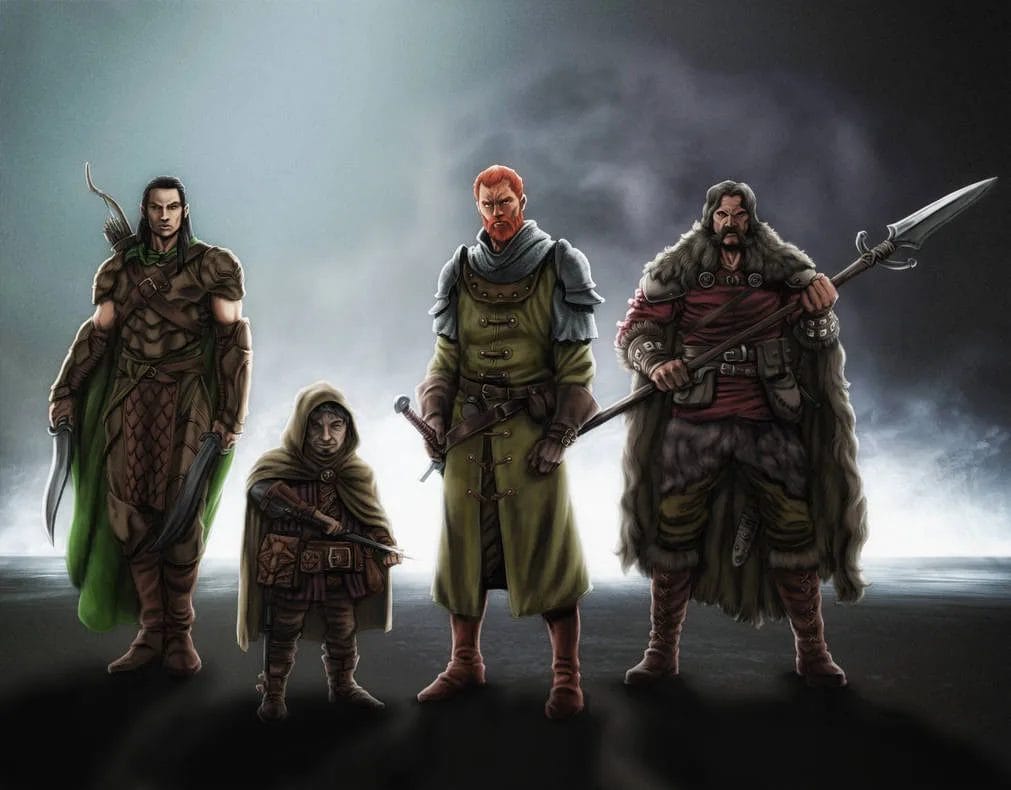
While the “murderhobo”, often understood as wandering characters who kill for loot and experience without establishing a permanent base of operations, is a foundational concept for veteran players, the modern landscape of roleplaying games has shifted. As Geek Native explored years ago in our deep dive on what murder hobos are and where the phrase came from, the tabletop community has long maintained a working definition of the trope. However, Dashiell notes that the term has not been fully or clearly defined within formal game studies.
The explosion of 5th Edition Dungeons & Dragons, largely driven by the narrative-heavy, theatrical playstyle championed by shows like Critical Role, means newer generations of players might be entirely unfamiliar with this trope’s appeal. In his conclusions, Dashiell addresses this stylistic divide directly. He observes that modern players are heavily driven by story, character development, and the narrative threads that connect them to the game world. This contemporary style requires building relationships and a more hands-on approach with non-player characters, fundamentally rejecting a “swing first and ask questions later” methodology.
Furthermore, Dashiell concludes that modern gamers often invest significant time and energy in their characters, expecting them to survive the campaign. This severely clashes with the traditional murderhobo mindset, which treats death, for both enemies and player characters, as an unceremonious inevitability.
The Assistant Research Professor at Morgan State University said in his paper,
Thus, the murderhobo concept is a configured practice the gaming world, and it could see a resurgence.”
Despite the modern push toward deep, emotional roleplay, Dashiell points out that the murderhobo playstyle is far from dead. Beyond adherents of the Old School Renaissance who still actively seek out and enjoy these combat-heavy campaigns, the fundamental principles of the murderhobo thrive in popular digital games like Diablo 3. By formally theorising this concept, Dashiell provides essential groundwork for future academic research into player motivation, game culture, and evolving playstyles.
Creative Commons credit: Adventuring party WIP by SOLIDToM.