For those of us in the UK, the name Grimsbury might conjure images of a specific suburb near Banbury that hasn’t always enjoyed the most sterling reputation.

However, Chris Chaudruc has co-opted the name for something far more sinister and engaging in Grimsbury, a tabletop roleplaying game set in a fictional, misremembered post-war England spanning the 1950s to the 1980s.
This is a love letter to the genre of folk horror, evoking the uneasy atmosphere of The Wicker Man and British television classics like Children of the Stones and Dr. Who. Published by Ubique Publications, this game invites players to explore a region where the splitting of the atom coincides with ancient ley lines, and where the barriers between “Here” and the other realm known as “(THERE)” are dangerously thin.
The PDF is free from DriveThruRPG.
The Setting: Mud, Magic, and Nuclear Power
The game does a splendid job of establishing a sense of place that feels distinctly British yet unnervingly wrong. The setting posits a reality where Magick is real but has been slowly forgotten by a populace distracted by television and industrial progress. The Grimsbury region is a place of rolling hills and ancient forests, but it is also home to The Grimsbury Facility, the UK’s first commercial nuclear power plant, built in the mid-1950s. This creates a delicious tension between the ancient Geomancy of the ley lines and the errant scientific experimentation of the atomic age.
Players take on the roles of visitors or locals investigating occult activity and otherworldly threats. The world is divided into our reality, Here, and a stranger realm simply called (THERE), which is populated by powerful entities and operates on a morality outside our understanding. Movement between these realms is facilitated by Gates, which can be anything from a physical doorway to a shimmering portal hidden in a mundane location like an elevator. The atmosphere is thick with factions, from the benevolent White Lodge to the sinister Black Lodge, ensuring that players are never quite sure who to trust.
System and Mechanics
Grimsbury utilises the Year Zero Engine from Free League, a robust and popular system that relies on a D6 die pool mechanic. This choice provides a solid, gritty foundation for the game, emphasising survival and consequence. Characters are defined by four attribute scores: Strength, Agility, Ken, and Connect, with an optional fifth attribute, Mysticism, for those capable of harnessing Magick. The game includes mechanics for Stress and Panic, which are essential for a horror setting; as characters encounter the uncanny, their mental state deteriorates, potentially leading to involuntary actions or permanent insanity.
A particularly engaging addition is the Luck mechanic. Luck points represent the fickle hand of fate, allowing players to burn points for re-rolls or to “retcon” a past action, effectively creating a flashback that solves a current problem. However, burning Luck comes with a cost, triggering a Stress Test that keeps the tension high. The game also features an optional finance system for groups that want to track the grim reality of living hand to mouth versus the luxury of the aristocracy.
Character Generation and Magick
Character creation is class-based, offering 20 distinct Archetypes that range from the mundane to the mystical. Players can step into the shoes of a Private Investigator, a Reporter, or a Beatnik, or take on more esoteric roles like a Hedge Witch, a Summoner, or a Potion Maker. Each Archetype comes with specific Ability adjustments and unique Talents, such as the Aristocrat’s “Horse Sense” or the Burglar’s “Safecracker” ability.
The approach to magic in Grimsbury is bifurcated in a very thematic way. There is “High Magick,” practised by Sorcerers and Witches, which requires the Mysticism attribute and involves casting spells or performing rituals. Then there is “Folk Magick,” which is accessible to anyone who believes. Folk Magick is powered by a pact with a source, such as a spirit or a sacred place, and requires a charm to function. It allows for subtle effects like finding water or calm animals, but it also has a dark side that can lead to hexes and curses. This democratisation of magic adds a wonderful layer of folk horror authenticity to the gameplay.
Art Style and Presentation
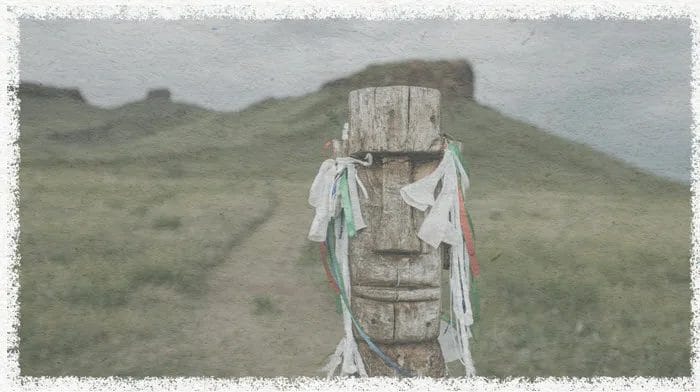
One of the most striking aspects of the Grimsbury rulebook is its visual presentation. In lieu of traditional illustrations, the book utilises photography throughout. These images, often black and white or muted in colour, lend the book a feeling of a dossier or a scrapbook of evidence. The photos capture the eerie, mist-shrouded landscapes and the idiosyncratic characters of the setting perfectly. From the silhouette of a figure in a gas mask to the image of an eerie wooden idol, the photography grounds the supernatural elements in a tactile reality that illustration sometimes fails to capture. It is a bold design choice that pays off, reinforcing the game’s theme of a “misremembered” history.
Conclusion
Chris Chaudruc has crafted a genuinely compelling setting that stands out in the crowded field of horror RPGs. By blending the mechanics of the Year Zero Engine with a distinctively British folk horror aesthetic, Grimsbury offers a rich playground for mystery and terror. The inclusion of extensive adventure seeds, a random scenario generator, and detailed location descriptions makes it easy for Counselors to get a game running quickly. Whether you are looking to explore ancient barrows or investigate the secrets of a nuclear facility, Grimsbury is a destination well worth the visit.



