Geek Native has been manually tracking Kickstarter launches of TTRPG and related campaigns since late 2020. It wasn’t until April 2022 that we had the first mention of the word “Slavic” in a project title.
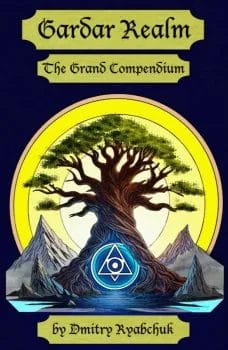
There’s been only one other, in 2025 (in row 8,730 in the tracking sheet), and that was for a project called Gardar Realm.
Now you can buy Gardar Realm – The Grand Compendium from DriveThruRPG and download 500 pages of Slavic folklore-inspired setting, villains, heroes and monsters. If you do, then you can be sure that you’ll be getting material that your players won’t be used to or bored with and yet some of these creatures seem spookily familiar.
After all, where did the vampire myths come from?
🎲 Sponsored Post
The Dragons: Zmei and Chudo-Yudo
In Slavic folklore, dragons like the Zmei Gorinich and Chudo-Yudo are powerful, malevolent beings that embody chaos and destruction. They are not simply beasts but are often intelligent, capable of speech, and driven by greed or malice. Typically depicted with multiple heads (three, six, nine, or twelve being common), they possess immense strength, can fly, and breathe fire. The Zmei frequently appears in heroic tales (byliny) as the ultimate adversary for a hero (bogatyr) to overcome. The creature often kidnaps a princess or demands tribute from a village, establishing itself as a tyrannical force. The hero’s triumph over the Zmei symbolises the victory of order over chaos, light over darkness, and the establishment of a safe, civilised world. These stories served as epic entertainment and reinforced cultural values of courage, wit, and self-sacrifice in the face of overwhelming evil.
Gardar Realm has both, Chudo-Yudo as a multi-headed serpent (CR10) and the firstborn of Gorinich. The TTRPG also provides Zmei Gorinich as a terrifying Chaotic Evil Gargantuan Dragon (CR 23) and the epic big bad of any campaign.
Nature Spirits: Bolotnik and Poludnitsa


Slavic mythology is rich with spirits personifying the natural world, often serving as cautionary figures. The Bolotnik (‘he of the swamp’) is a malevolent master of the marsh. Described as an old man covered in filth, algae, and snails, he lures unwary travellers, especially children, into the bog by mimicking the sounds of birds or creating deceptive lights. Once his victims are trapped, he drags them to their death. His cultural role was to instil a healthy fear of swamps, a genuinely dangerous environment.
The Poludnitsa or ‘Lady Midday’, is a spirit of the fields who appears at noon. She would strike down those working during the intense heat, causing sunstroke or madness. This belief enforced a necessary midday rest, protecting farmhands from over-exertion. Both spirits personify the specific dangers of their domain, acting as folkloric tools to regulate behaviour and ensure community safety.
In Gardar Realm, these two are fey and despite looking like creatures from nightmares, both are neutral. Bolotnik (CR 8) is, as expected, a swamp dweller, while Poludnitsa (CR 5) is no pushover and can help heroes resist exhaustion.
Personifications of Misfortune: Likho and Mara
Some Slavic beings are not spirits of place but personifications of abstract concepts like suffering and fear. Likho is the embodiment of bad luck and evil fate. Typically appearing as a gaunt, one-eyed old woman, her presence brings misery and misfortune. In tales, Likho often latches onto a person, and any attempt to flee or trick the spirit only results in greater tragedy, teaching a lesson about the inescapable nature of fate or the folly of engaging with evil.
The Mara (or Mora) is a spirit that causes nightmares. She was believed to be the soul of a living person (often a woman) that would leave the body at night in the form of a wisp of straw or a moth. She would then enter a house and sit on the chest of a sleeper, causing a feeling of terrible pressure, suffocation, and terrifying dreams (a phenomenon now known as sleep paralysis). The Mara personified the universal, terrifying experience of nightmares and the feeling of unseen malevolent presences in the night.
While specific entities like Likho may not appear by name, Gardar Realm includes its own personifications of good and evil: Pravda (Truth) and Krivda (Untruth/Cruelty). These concepts are described within the myths of the gods – Pravda is associated with Lada and Perun, while Krivda is linked to Morena and Pereplut. This approach follows a linguistic tradition of giving true names to things to individualise them and attempt to contain their power within those names.
It was, however, a different book on DriveThruRPG that alerted me to the pair. These two nasties are both featured in Pomaluji Peruna, a colouring book actually funded by the Polish Ministry of Culture and Natural Heritage!
The Undead: Upir, Opir, and Strigoi
The Upir is the quintessential Slavic vampire and the root of many modern vampire myths; Opir is a regional variant of the name, and Mertivak (‘dead one’) is a more general term for a malevolent reanimated corpse. Unlike the later aristocratic vampire of Western fiction, the Upir was typically a peasant, a sorcerer, or an unbaptised individual who returned from the grave to prey upon their living family and neighbours, drinking their blood and spreading disease. They were seen as a direct cause of plagues and misfortune.
The Strigoi of Romanian folklore is a closely related concept, stemming from a shared cultural sphere. The belief in these creatures provided an explanation for sudden death, disease, and disaster, embodying the profound anxiety that the dead could return to harm the living. This fear led to the development of specific burial rites and apotropaic rituals, such as staking, designed to keep the dead firmly in their graves.
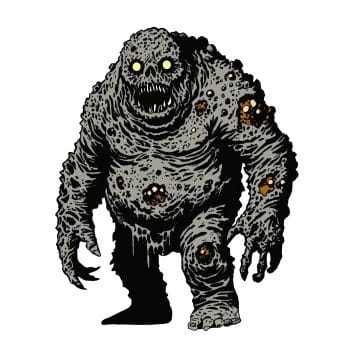


Upir and Opir are treated differently in Gardar Realm, Upir are evil ghouls (CR 1) driven to eat flesh whereas Opir (CR 8) are vampires in service to the god Veles unless they’ve been turned from their purpose. The Strigoi (CR 12) are risen dead and a reason why every funeral in the setting should be taken seriously.
Where have these monsters been?
If we had been talking about the Tolkien-esque world of elves, dwarves, and orcs then we’d be visiting a mythology pulled largely from Norse and Germanic legends. It begs the question: why is this incredible wellspring of Slavic myth so rarely tapped in our hobby?
The answer is largely historical. While Gygax and his contemporaries were building the foundations of roleplaying games, the Iron Curtain effectively firewalled Western creators from the rich folklore of the East. The sagas and epics of Western Europe were readily available, but the tales of Slavic heroes and horrors remained locked away, leaving a veritable treasure chest of monsters and magic untouched.


So, maybe it’s time to give the elves a rest. The dark, enchanted forests of Slavic myth are waiting, and they’re filled with creatures far more interesting and terrifying than another band of orcs.



