Yazkin Yamakala has released the beta version of Dungeoneers, a project that successfully translates the high-stakes tropes of fantasy anime to the tabletop.
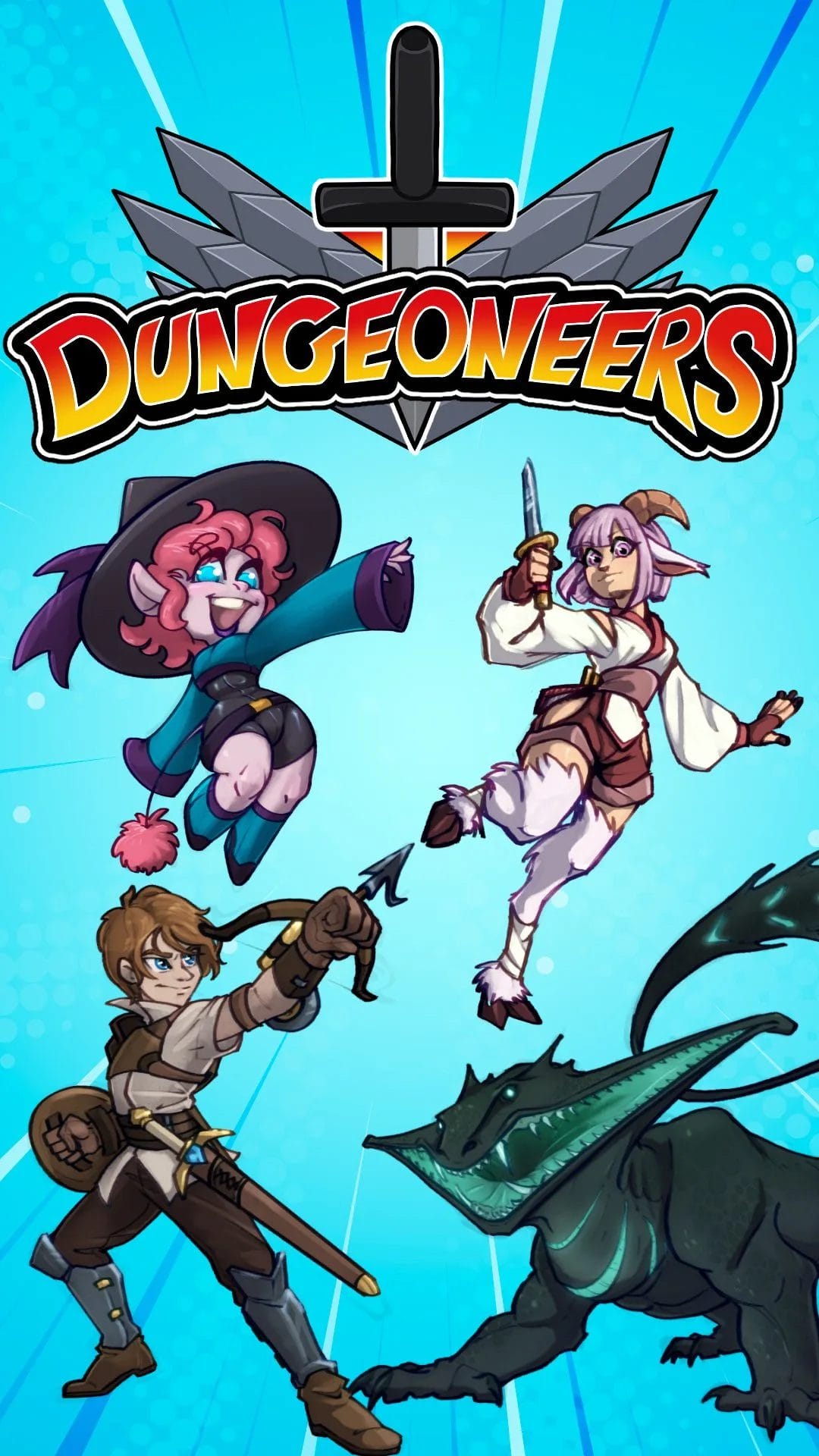
While the project is currently a work in progress, the lead designer has already completed the foundational mechanics and comprehensive skill lists. It is a fully playable experience right now, designed for players who want to form a party and climb the professional hierarchy of an Adventurer’s Guild.
The Adventurer’s Guild and Rank Progression
The setting of Dungeoneers centres on the kingdom of Saevarus, a land still recovering from a Great Calamity. Central to the experience is the Adventurer’s Guild, an independent organisation with outposts in nearly every major city. Players are registered as official members and progress through a structured hierarchy.
Progression is tied to a party’s reputation. As the group completes quests, they earn reputation points that move them through five distinct metal ranks: Bronze, Silver, Gold, Platinum, and finally Diamond. Higher ranks unlock tougher mission tiers, ranging from simple D-tier escort errands to S-tier high-risk relic recoveries. This system provides a clear sense of growth; Diamond-rank parties eventually gain the prestige to own houses paid for by the guild or even open their own branch.
Ancestries and the Oozling Factor
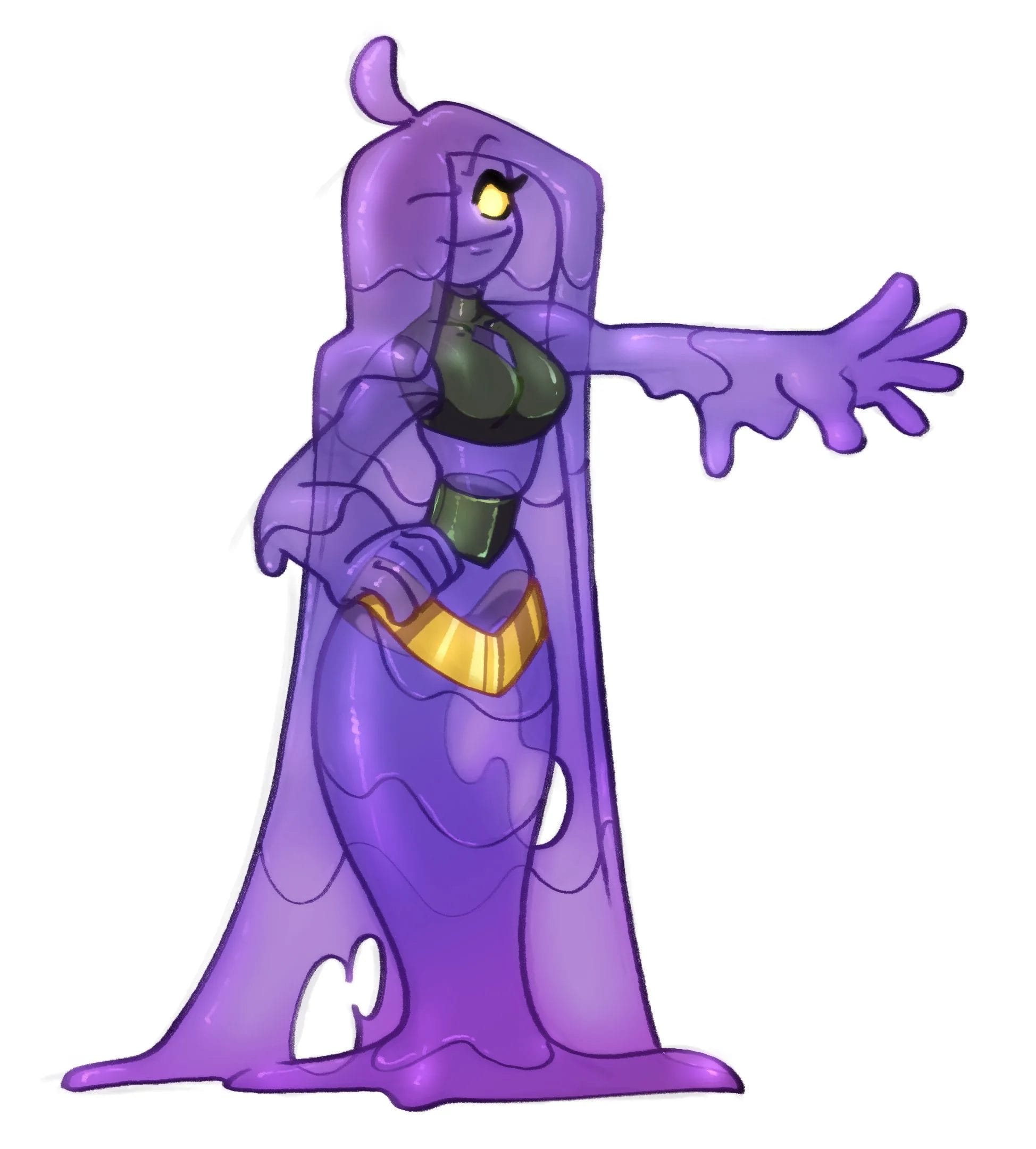
Character generation involves selecting an ancestry that defines innate skills. Traditional choices like Humans and Dwarves are joined by the plant-like Arborians and the animal-featured Faunians. A notable inclusion for fans of modern fantasy anime is the Oozling.
These peaceful beings learn by observing and mimicking the races they encounter. The core appeal lies in the Formless ability, which allows a character to shift their appearance to match any Small or Medium humanoid by using 1 Action Point. Beyond social disguise, the Ooze Form skill allows the adventurer to revert to their natural gelatinous state to navigate through narrow gaps such as cage bars or the space beneath a door.
To overcome the limitation of losing equipment during this process, Yazkin Yamakala added the optional Gear Merge skill. This allows an Oozling to merge their weapons and armour directly into their liquid body, ensuring their gear is not lost when squeezing into tight spaces.
The 2d12 System and Tactical Combat
In a departure from standard d20 fare, Dungeoneers employs a 2d12-based roll-under system. Whenever a player is asked to make a roll, they must result in a total that is less than or equal to their relevant stat or Talent.
Regarding the streamlined skill system, Yazkin Yamakala explains the shift away from complex math:
Originally, Dungeoneers used a point-buy system similar to GURPS, with each skill having a unique cost depending on how much it could do. But as I tested the game, I found it tedious mathing out how many points you have left, and often any remaining points would feel wasted until the next level. Because I wanted the game to feel approachable and easy to pick up for anyone new or old to roleplaying games, I decided to go with single points.”
Combat is governed by an Action Point system. Every player receives 3 Action Points at the start of their turn to spend on movement, attacks, or activating skills. Successes on meaningful challenges also grant Talent Marks. These act as a meta-currency that players can save between sessions and spend to trigger spectacular narrative outcomes.
Exceeding Limitations with Overdrive
The most explicit nod to anime “limit breaks” is the Overdrive! mechanic. Once per session, an adventurer can spend 5 Talent Marks to seize control of the scene and perform feats that exceed the normal rules. Regarding the balance of this powerful tool, Yazkin says:
I wanted players to feel like they didn’t need to worry too much when it comes to the drawback after using it, but still be impactful enough to let other players feel like they can take the chance at the spotlight in the next scene.”
These drawbacks represent the recovery phase common in the genre. As the creator notes:
It emulates a lot of anime where the protagonist exceeds their limits and then falls over or is in a weakened state for an episode (or in this case, just a few minutes until the next event finishes).”
Rivals and the Heat Mechanic
Every good fantasy story needs a rival, and Dungeoneers codifies this through the Heat system. A rival can be a friendly competitor, a treasure hunter, or a personal nemesis. As the party earns reputation, the GM accumulates Heat points to trigger Rival Acts like sabotage or hired ambushes.
Yazkin suggests that Heat can also serve as a dynamic balancing tool:
Did you add too many monsters to the dungeon and players are burned out? Have the friendly rival help out during the encounter or courier useful supplies like potions if the party is running low. Are they breezing through this dungeon and getting too close to the big baddie at the end? Surprise! Your nemesis got word they’d be here, and he rigged up the hallway full of magical glyph traps.”
Visual Direction and Beta Credits
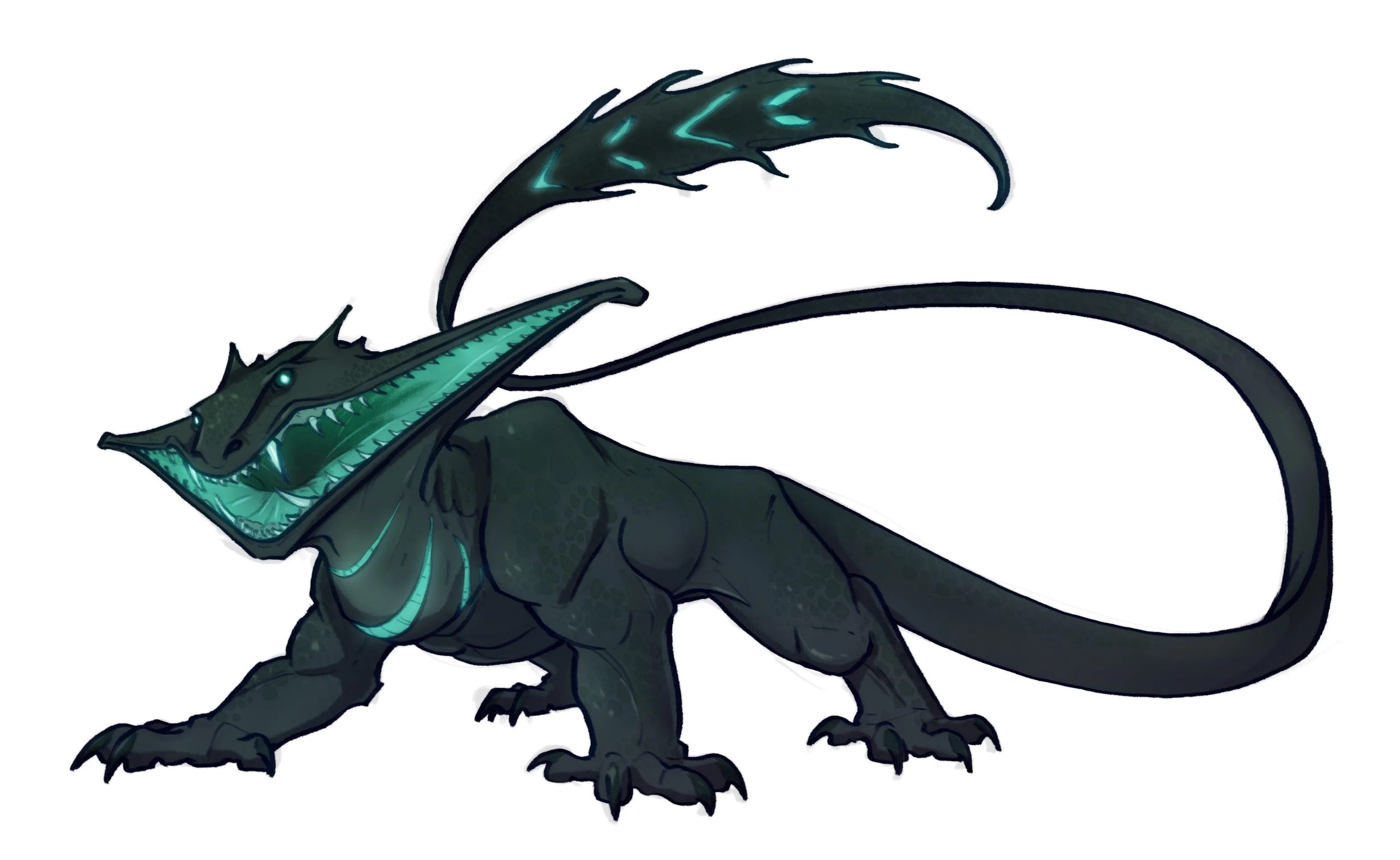
The internal art by Quetzal Pali and Granizo captures the intended aesthetic perfectly, featuring expressive characters and imaginative monster designs, such as the Aethercore Golem. The layout and graphic design by Ryan Main ensure the information is scannable and clear. While Dungeoneers remains in progress, it offers a polished, high-energy alternative for groups who want to replicate the feel of their favourite animated series.