Duncan Rhodes, a veteran travel journalist turned dungeon master, has released The Creative Game Master’s Guide to Extraordinary Locations: & How to Design Them.

Published by Bluestone Books, this comprehensive volume offers thirty meticulously detailed settings designed to breathe life into fantasy roleplaying games. By moving away from generic taverns and repetitive dungeons, the book provides game masters with atmospheric hubs that serve as the foundation for entire adventures.
The guide is a collaborative effort featuring the cartography of Arturo Gómez Martínez, known professionally as Nerdy Maps, and includes a foreword by the industry legend Ed Greenwood. Drawing on his professional background in travel writing, Duncan Rhodes applies the principles of real world geography and sensory immersion to tabletop environments. This approach ensures that every location, from bustling urban squares to isolated mountain peaks, feels like a living part of a wider world rather than a static backdrop.
A Design Rooted in Reality
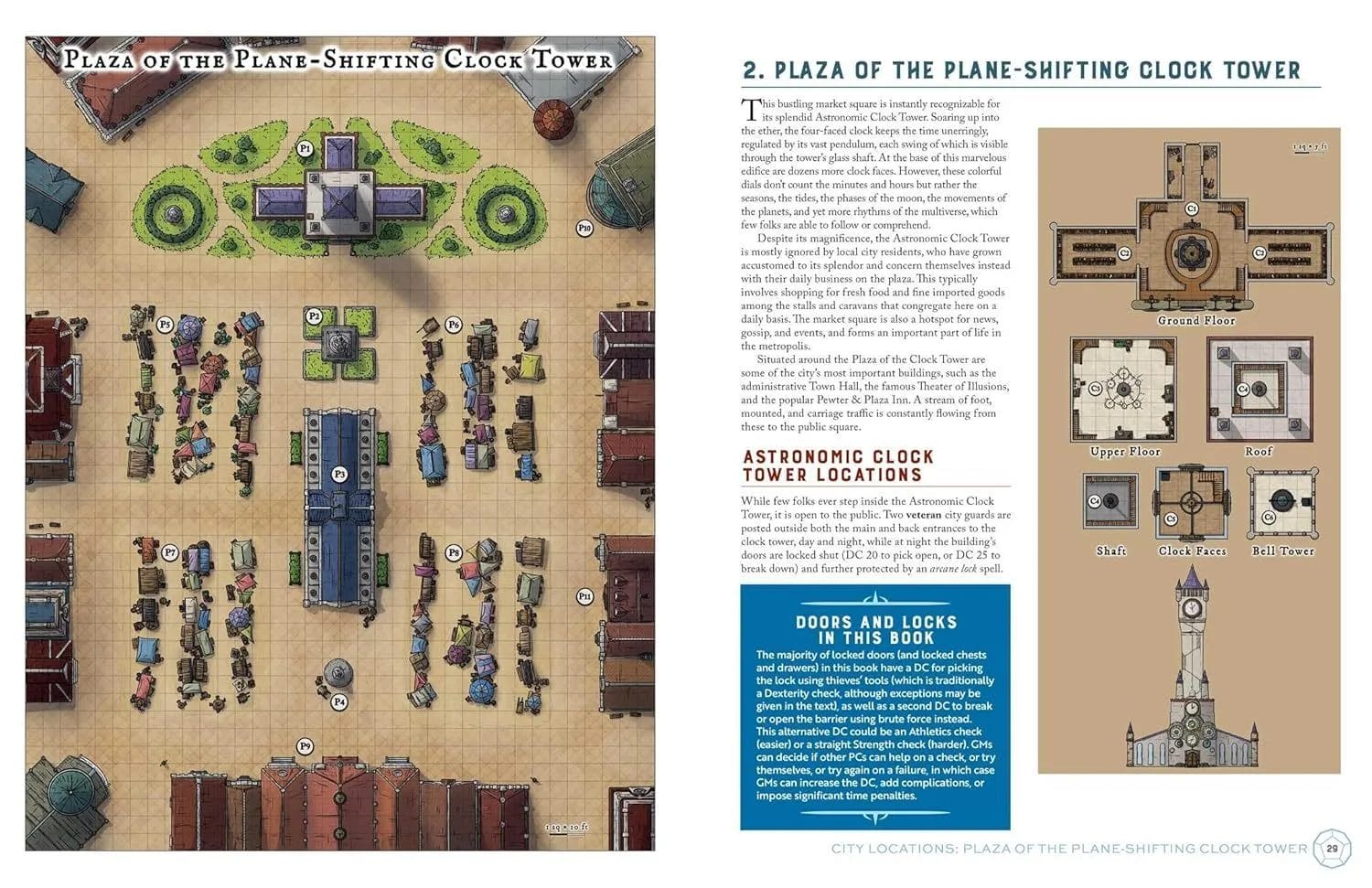
The book distinguishes itself through a design philosophy rooted in what the author describes as “wanderlust DNA.” In a detailed interview with Geek Native, Duncan Rhodes explained how his time in cities like Prague and Barcelona directly informed the architecture of his fantasy settings. For instance, the Plaza of the Plane Shifting Clock Tower mirrors the layout of Krakow’s market square, while the Church of the Salt Oracle draws inspiration from the rugged Costa Brava coastline in Spain. This grounding in reality provides a level of granular detail often missing from standard supplements.
The interview, From travel writer to DM: How real-world wanderlust shapes extraordinary RPG locations, highlights the importance of noticing the small details that make a place feel lived in. Whether it is the smell of spices in the Firefly Bazaar or the specific history of the Fallen Idol Tavern, the guide encourages game masters to think like travel writers. This results in locations that are not just tactical grids but places with culture, history, and sensory depth.
Modular Mechanics and 5e Compatibility
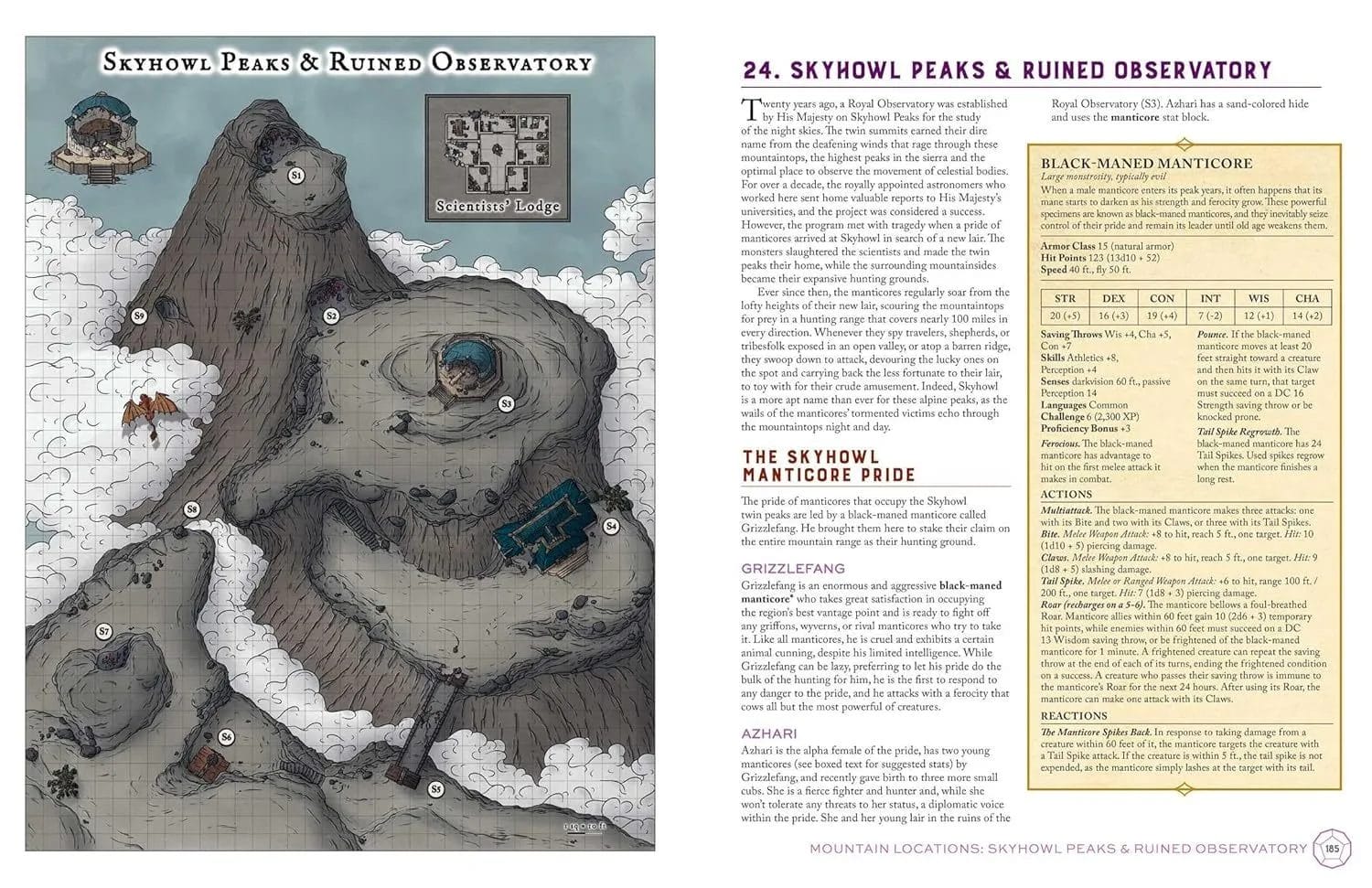
While the book is built with 5e compatibility in mind, it remains a modular resource suitable for various high fantasy roleplaying games. Each location is accompanied by adventure hooks, non player character profiles, and specific mechanical hazards. For groups using the 5e system, the guide includes original stat blocks for unique threats like the Zagarat, a minotaur fighter known as the “Bloodsoaked Bull.” The inclusion of these specific details allows a game master to run a high stakes encounter with minimal preparation.
The versatility of the material is one of its strongest assets. Each setting supports the three core pillars of roleplaying games: exploration, social interaction, and combat. A location like the Flying Ballroom Palace offers a zero gravity dance floor for social intrigue, but it also contains the Fey Stone, a magical item that can transform guests into centaurs or force them to speak in rhymes. This mixture of whimsical roleplay and potential mechanical chaos ensures that every session remains unpredictable.
Cartography and Visual Storytelling
A significant portion of the book’s value lies in the thirty full page, full colour maps by Arturo Gómez Martínez. These maps are designed to be functional battle maps that are both aesthetically pleasing and tactically interesting. The high resolution artwork is available digitally via a QR code, making it an excellent tool for those using virtual tabletops or digital displays. The synergy between the descriptive text and the visual layout ensures that the spatial logic of locations like the Skyhowl Peaks or the Sewer Shrine of the Great Asp is clear and engaging for players.
The art style is vibrant and helps to convey the specific atmosphere of each site. For example, the Bone Dragon Pyramid uses lighting and colour to imply a sense of ancient dread, while the Mammoth Hall feels expansive and cold. This visual consistency helps to anchor the players in the setting, allowing the game master to focus on the narrative and the actions of the characters.
Tools for Creative Game Masters
Beyond the pre written locations, the guide includes a robust section on location design titled “Twelve Extraordinary Location Design Tips.” Duncan Rhodes provides a series of random tables and design principles to help practitioners brainstorm original concepts. These tools encourage game masters to combine incongruous elements, such as rolling for building materials and epithets to create something entirely new. This section acts as rocket fuel for the imagination, providing a framework for those who wish to build their own worlds.
The inclusion of Adventure Paths, such as Menhirs, Manticores, and Murder!, further demonstrates how these individual locations can be linked to form cohesive mini campaigns. This structure provides a roadmap for those who prefer a more guided experience while still allowing for the modularity that makes the book so useful. It is a well rounded resource that serves both as a library of ready to use content and a masterclass in world building.
Disclaimer: Geek Native got our copy of Extraordinary Locations for free.