The digital platform Anzir announced a limited public beta to introduce the massive Chinese roleplaying phenomenon known as Jubensha to English-speaking audiences.
Running throughout February, the initiative invites independent game masters and local game stores to host in-person sessions using Anzir’s scripts and operational tools. Notably, the platform allows hosts to run these sessions independently, find their own players, set their own entry fees, and retain all generated revenue.
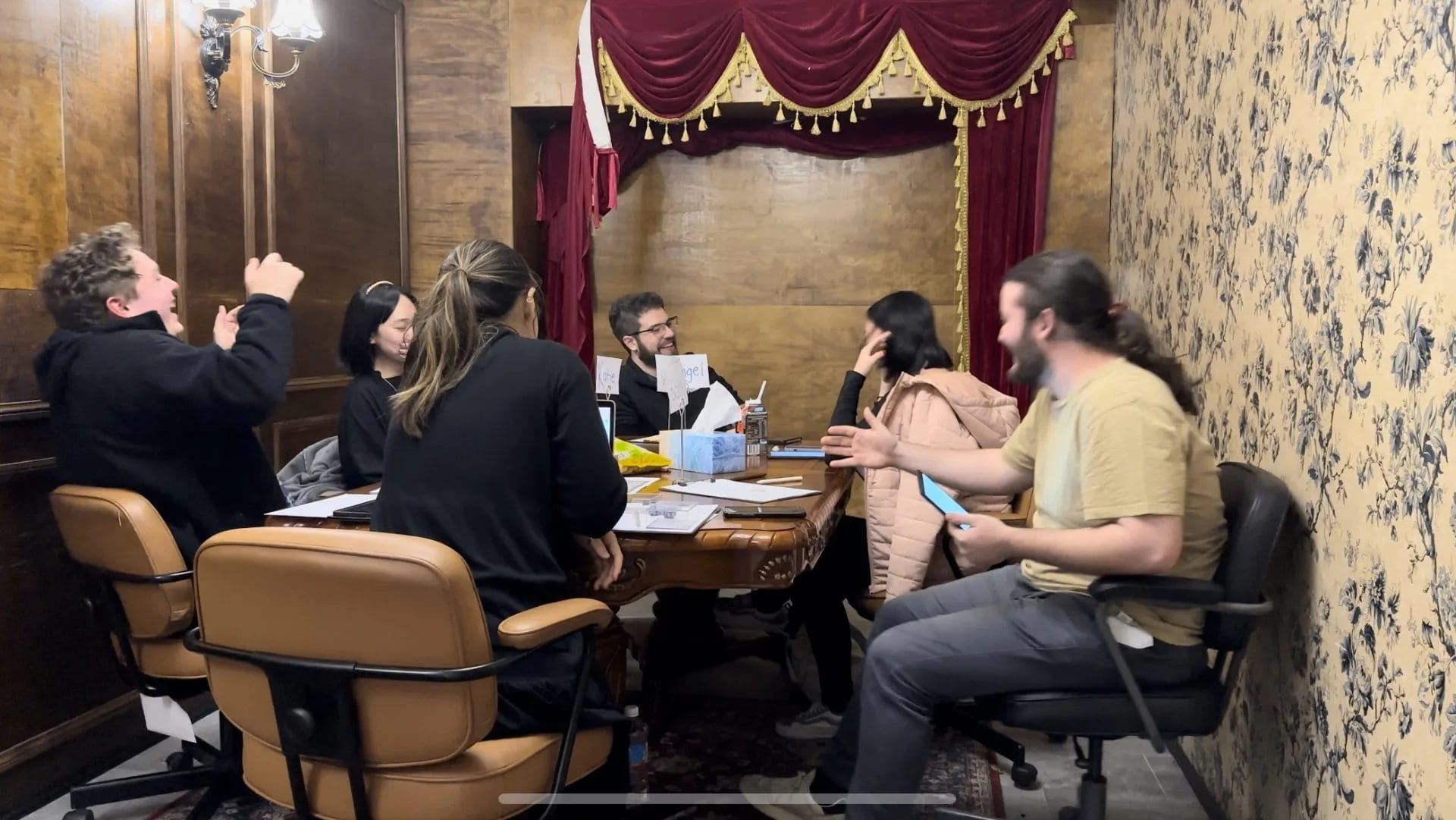
Jubensha, which roughly translates to “script murder”, is a heavily structured, narrative-driven roleplaying format that shares DNA with both traditional tabletop RPGs and parlour LARPs (live-action roleplaying games), such as murder mystery dinners. Each player assumes the role of a pre-written character complete with private information, hidden agendas, and secret relationships. Through reading, discussion, and investigation, the gaming group works to uncover the truth behind the central narrative.
Eins Duan, speaking on behalf of Anzir, explained in a statement:
In Jubensha sessions, the GM role-plays a character within the story, knows the full story before the game starts, guides all players through the process, and reveals the complete picture of the story to the players at the end.
In China, Jubensha has exploded into a massive offline industry characterised by tens of thousands of dedicated physical venues, professional paid game masters, and standardised pricing models. However, the format’s rapid growth has not been without significant growing pains.
The Chinese market is currently navigating severe issues with script piracy and intellectual property theft. Furthermore, the industry has recently faced strict regulatory crackdowns from the Chinese government. Authorities in cities like Shanghai, alongside the Ministry of Culture and Tourism, have introduced sweeping regulations to ban content deemed excessively violent, sexually explicit, or politically sensitive, citing the need to protect the mental health of minors. Scripts are increasingly subjected to government review, forcing creators to carefully navigate content safety.
Bringing the format to Western and English-speaking markets presents its own set of hurdles. Translating these games involves significant cultural localisation; Chinese scripts are incredibly nuanced and text-heavy, making translation an expensive and complex endeavour. Furthermore, the pacing, tropes, and player expectations in Chinese tabletop culture often differ from those in Western RPGs. Western players are often accustomed to freeform improvisation, whereas Jubensha requires strict adherence to the provided text to prevent the intricate murder mystery from unravelling due to unexpected plot holes.
Anzir aims to bridge this gap by translating popular Chinese scripts and providing a digital platform and companion app where creators can eventually build their own scenarios.
The February beta serves a dual purpose for the company. It provides a low-risk entry point for game masters seeking new ways to monetise their in-person events, while also allowing Anzir to gather crucial feedback on their translations, story structures, and user experience.
Game masters who already use platforms like DriveThruRPG to source independent investigation games may find the Anzir beta to be a natural, and potentially profitable, extension of their current tabletop repertoire.
Independently covering china since 2009. Our archive includes 8 entries connected to this topic.
Latest entry: February 2026