Architect Alina Sanina has unveiled a concept for a high-altitude drone station that looks less like a mountain refuge and more like a fortress drawn from the pages of a sci-fi roleplaying game.
Dubbed the “Lynx”, the project proposes a network of autonomous towers designed to withstand the harsh conditions of ranges like the Alps and Pyrenees. While the primary function is search and rescue, the “Gothic-futuristic” aesthetic has caught the attention of futurists and gamers alike, resembling the sort of corporate arcology or forward operating base one might expect to raid in a game of Shadowrun or Cyberpunk RED – except with a lot more trees.
A Gothic-Futuristic Hive
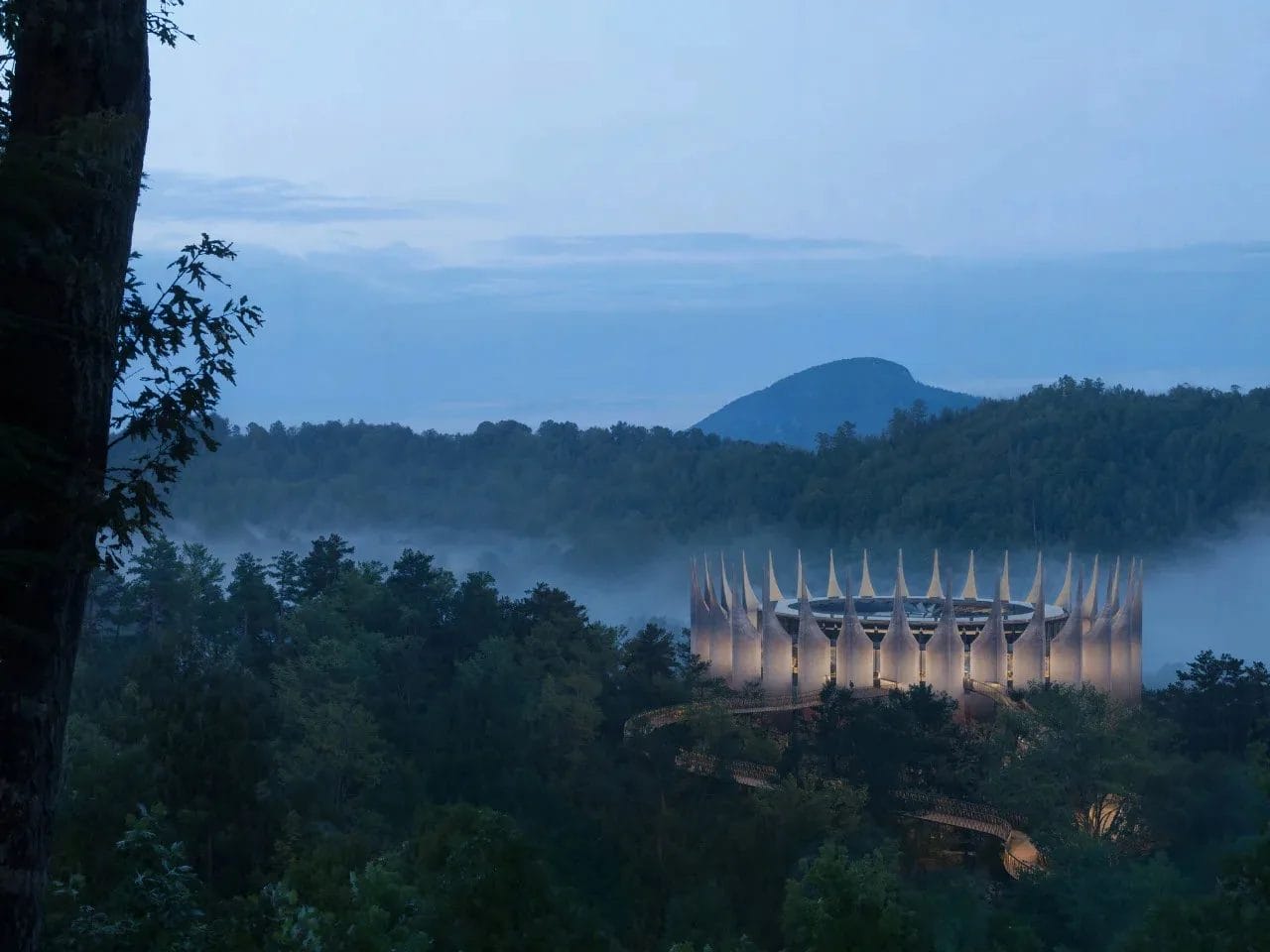
The design is striking. Sanina describes the style as “Gothic-futuristic,” featuring serrated concrete walls that mimic the jagged peaks of the surrounding mountains. The structure uses a composite material approach, transitioning from a heavy, grounded concrete base to an increasingly transparent glass upper section. This allows the tower to ostensibly “melt into the sky,” a poetic flourish that also serves a practical purpose by maximising light intake for the upper levels.
For the Geek Native audience, the structure is immediately recognisable as a potential “dungeon” in a modern or sci-fi setting. It is a vertical hive composed of stacked rings that house not only drones but also research facilities, astronomical observatories, and accommodation for human operators or stranded climbers.
The Functionality of Rescue
Beneath the jagged exterior lies a highly functional purpose. The Lynx stations are designed as self-sufficient hubs. They serve as charging docks and launchpads for a fleet of rescue drones that can scour dangerous terrain faster than human teams.
The exterior glass skin is embedded with photovoltaic cells, turning the building itself into a solar generator. This off-grid capability is essential for the remote locations Sanina targets. In a real-world scenario, these drones would coordinate rescue operations, deliver medical supplies, or locate lost hikers before human teams arrive. In a tabletop context, it’s the perfect setting for a high-stakes extraction mission or a survival horror scenario where the facility’s AI goes rogue.
Architecture Imitating Art
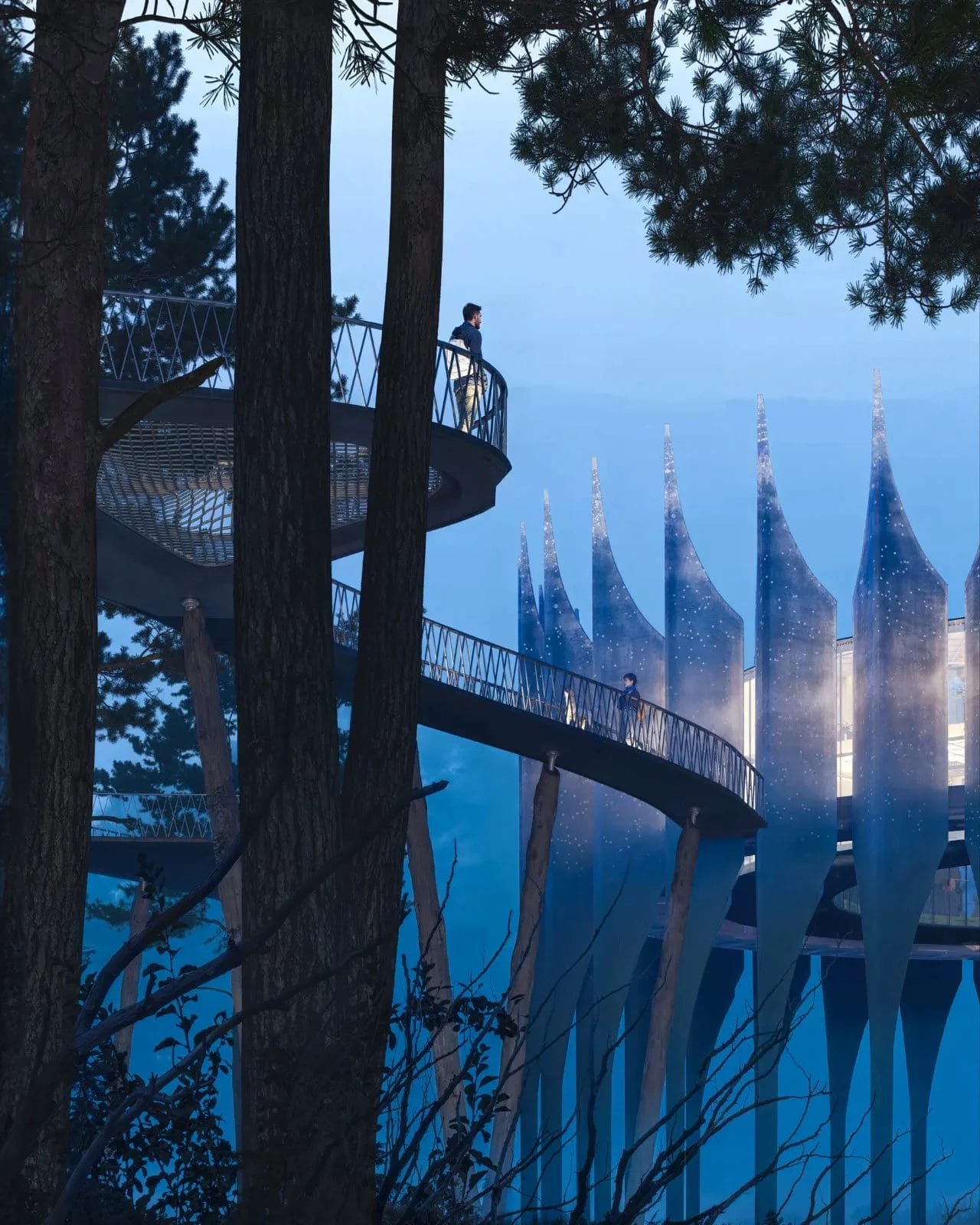
The project highlights a growing trend where functional industrial design borrows heavily from speculative fiction. The “Lynx” wouldn’t look out of place in the artwork of a Traveller campaign or a Numenera supplement.
Sanina, an architect with a flair for the dramatic, noted the duality of the design. In a feature for Amazing Architecture, Alina Sanina explained,
The moment for Lynx has come… The technology is ready, aerial routes exist, and there are hundreds of skilled operators. It’s time to imagine how drones can serve rescue, care and human well-being.”
While still a concept, the Lynx project advances the conversation on how we integrate autonomous technology into wild spaces. It challenges the idea that utility structures must be ugly boxes, suggesting instead that they can be monuments to safety and technology.
A Setting for your Next Campaign?
For GMs looking for inspiration, the Lynx offers a ready-made map. A remote, solar-powered tower, filled with autonomous drones and isolated by a blizzard, is a prime location for adventure. Whether it’s a corporate black site in Cyberpunk or a forgotten outpost in Mothership, the “Gothic-futuristic” fortress is a concept worth stealing for your table.
If you are looking to run a game featuring high-tech rescue missions or corporate intrigue in remote locations, you might want to pick up the Cyberpunk RED core rulebook or explore the vast reaches of space in Traveller at DriveThruRPG.