I am two episodes into the new Doctor Who spin-off, The War Between the Land and the Sea, and I am enjoying it. The standout performer for me so far is Gugu Mbatha-Raw, who plays the Sea Devil, or Homo Aqua, as the show calls them, known as Salt. Unlike the classic heavy prosthetics of the past, she looks the most human, serving as the diplomatic negotiator for her people.
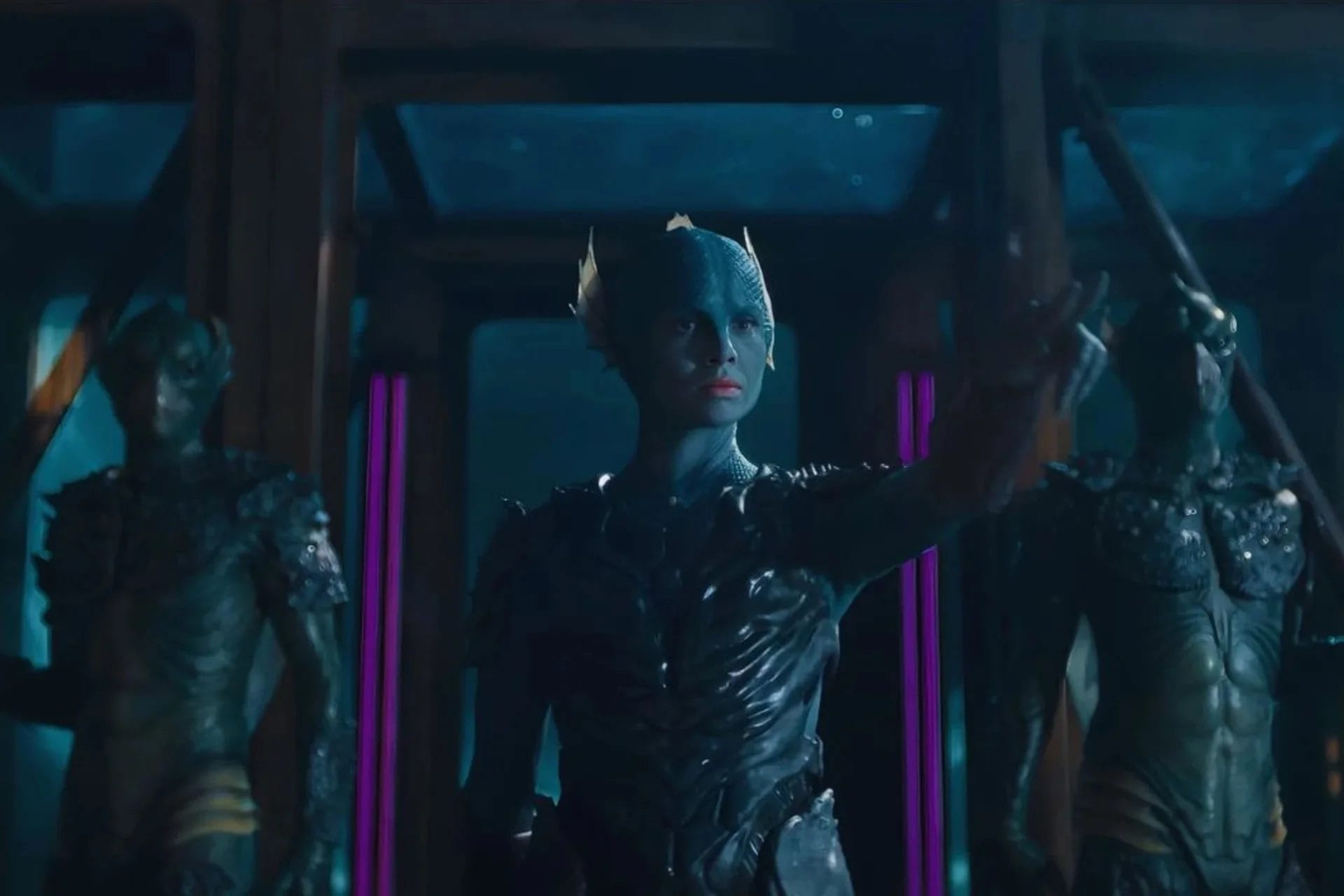
And yes, ‘diplomatic negotiator’ is the right phrase. We are two episodes in, and I briefly wondered if the title was a slight misnomer; perhaps this was destined to be a purely diplomatic drama. I suspect not.
This spin-off is helmed by Russell T Davies, the man rightly credited with renewing Doctor Who after its long wilderness years. I am not one of those critics who thinks Doctor Who has ‘gone woke’ or lost its way, though I do feel the main show has struggled recently to recapture the specific suspense of its predecessors. Davies is on record wanting Who to be a children’s programme, and I remember the show being scary and creepy as a child. Thankfully, this spin-off seems to be finding that balance again.
What strikes me most is how effectively the show taps into current anxieties about the state of the world. It doesn’t shy away from the paralysis of modern governance, highlighting a distinct lack of political will to actually do anything until it is too late. The escalating crisis isn’t just about monsters rising from the deep; it is about humanity’s inability to coordinate a response, bogged down by infighting and a lack of empathy. It feels less like a fantasy and more like a biting commentary on our own ecological and geopolitical inertia.
Our lead actor, Russell Tovey, plays Barclay Pierre-Dupont, a divorcee “fraud” with a friendly teenage daughter. He is a low-level employee who ends up in this high-stakes position purely through an HR mishap. Ironically, for a desk-bound civil servant, Tovey looks significantly more buff than most of the actual military characters surrounding him. The fact that his ex-wife is a woman of colour is presented naturally; it doesn’t get in the way of the plot, it just is. Similarly, I have no problem with the fact that some of the scientific brains in UNIT, such as Shirley Anne Bingham, are wheelchair users. I am British; I remember Professor Stephen Hawking. Some of our best scientific minds used wheelchairs. Besides, this is a fantasy show about telepathic fish creatures crawling out from the depths. Realism regarding disability accommodation is hardly the stretch here.
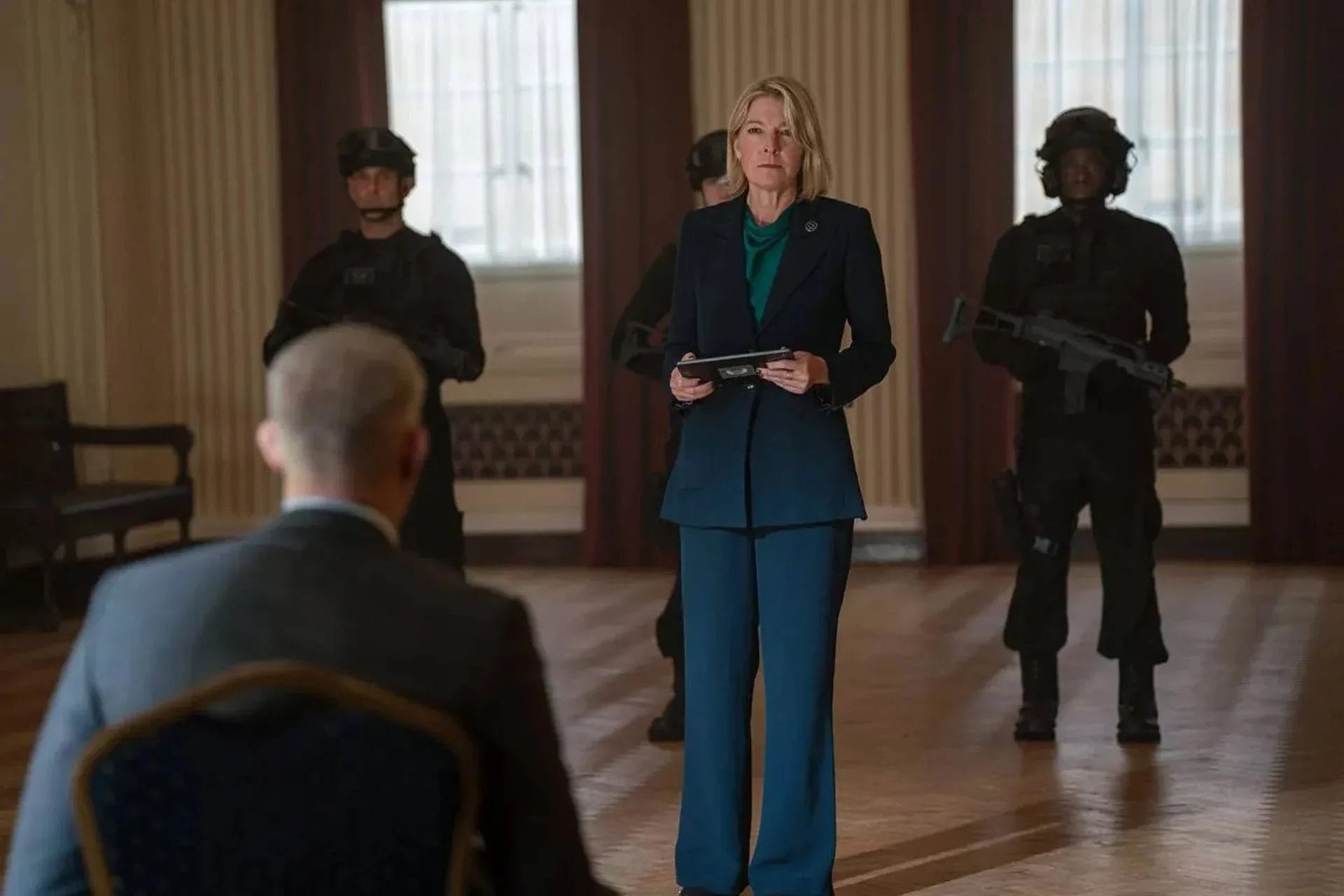
To prove that Russell T Davies can still direct a robust sci-fi series, The War Between the Land and the Sea is pretty good. There is genuine tension, a sense of the unknown, and real jeopardy. The characters are quickly believable. In particular, Tovey’s character ends up where he is through that bureaucratic error that feels all too likely. The situation escalates because humanity is neither sympathetic nor empathic, which also feels regrettably accurate.
If I have a critique, it is the portrayal of military leaders from different nations collaborating so seamlessly. That feels less likely to me.
All in all, I am definitely tuning in for the next episode. It is rare for us in the UK to get globally interesting sci-fi before the American and Hollywood side of the globe does.
Geek Native Verdict: A solid start that proves the Whoniverse can survive without the Doctor. I think it’s an angle that the Doctor Who TTRPG should explore further.