A consequential strategic shift at Wizards of the Coast will see Dungeons & Dragons adopt a “franchise model,” unifying its various media expressions under a single leader. That new boss is Dan Ayoub, a veteran of the video game industry, who takes on the role of VP of Franchise for the popular tabletop RPG.
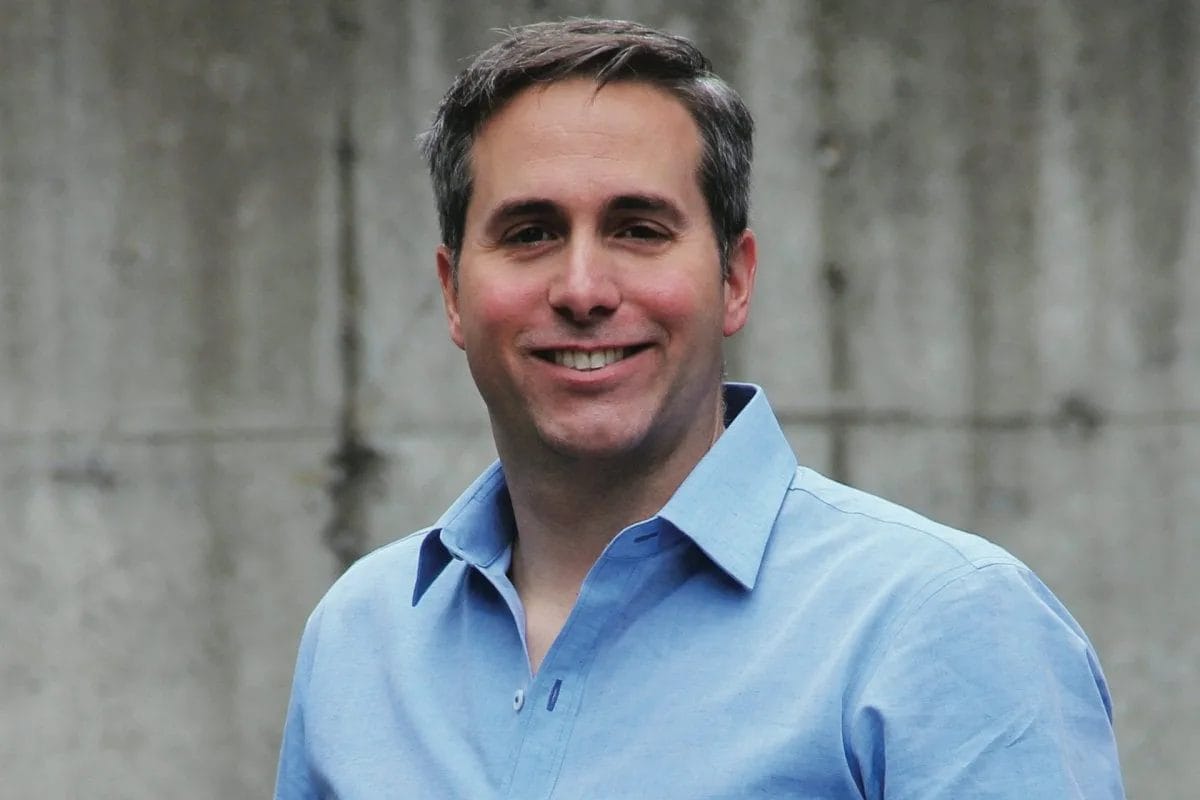
The change, announced by Ayoub on his LinkedIn profile, marks a new chapter for the 50-year-old game. It suggests a future where tabletop sourcebooks, blockbuster video games, and future film and television projects are no longer developed in separate silos, but as part of one cohesive strategy.
What is a “Franchise Model”?
In the entertainment world, a “franchise model” is a centralised approach to managing an intellectual property (IP). Think of how Disney manages Marvel or Star Wars, or indeed, how Microsoft manages Halo. A central leadership team oversees the entire brand, ensuring that every book, game, series, and piece of merchandise works together to build a single, consistent universe.
For Dungeons & Dragons, this means the teams behind the TTRPG, video games like the critically acclaimed Baldur’s Gate 3, and screen adaptations such as the movie Dungeons & Dragons: Honour Among Thieves will now operate under one strategic umbrella. The goal is to create a “strong, coordinated, and well-funded approach for the franchise,” as Ayoub put it. This move likely aims to prevent narrative inconsistencies and maximise the brand’s impact across all platforms, ensuring that developments in one area can be synergistically reflected in others.
A leader from the world of video games
Dan Ayoub’s appointment is a clear indicator of the direction Hasbro envisions for D&D. Before joining Wizards of the Coast in 2022, he spent over a decade at Microsoft, where he was a Studio Head and Executive Producer at 343 Industries, the developer responsible for the Halo franchise. His career also includes stints at Ubisoft and The Walt Disney Company. His experience in transforming a core video game into a sprawling, multi-platform media empire is precisely what a franchise model requires.
The move comes amid a period of significant change for Wizards of the Coast, which has seen several high-profile departures in recent times. Ayoub‘s appointment consolidates leadership and points towards a more tightly controlled and ambitious future for the D&D brand. As GeekNative has previously reported, the company has been navigating the evolution of its tabletop games into a new digital era, and this structural change is the latest step in that journey.
In a personal message, Dan Ayoub, now Head of Dungeons & Dragons Franchise, shared his enthusiasm for the role, noting his lifelong connection to the game.
Sometimes, you just roll a natural 20.
I’ve been pretty straightforward when people ask me why I came to Wizards of the Coast/Hasbro. Obviously, the challenge of building a publishing and development group was a massive draw, but it has always come down to one very clear thing – Dungeons and Dragons.
More than any other game, Dungeons and Dragons has influenced my life and career the most… To this day, I play with the same group I played with when I was 12 years old (you know who you are). This game has forged my friendships over the years and ultimately is what got me into game development. I’ve loved D&D since the first roll of the dice.
He went on to explain the change.
We shifted our structure internally and D&D moved to a full franchise model, meaning everything: books, video games, film, and TV – everything touching the franchise lives under one roof. The impact here cannot be overstated; this is massive for D&D and will allow a strong, coordinated, and well-funded approach for the franchise, and most importantly, for us, the fans.
Finally, in a moment that doubtlessly has my childhood self doing cartwheels (and okay, maybe some old man cartwheels too), I’ve been asked to lead this new group!
For fans, the immediate, consumer-facing changes might not be evident at first. However, this internal realignment is a monumental shift for the company. It represents a clear ambition to elevate Dungeons & Dragons from a beloved tabletop roleplaying game into a global entertainment franchise on par with the biggest names in geek culture. The long-term effects on the core TTRPG, and whether it will drive the franchise or be driven by it, remain to be seen.



