As an art historian and art lover, I often fantasise about having a private gallery in my house where I collect original works from the great artists of history. A Friedrich there, a Goya here, a couple of William Blake manuscripts on my coffee table, and maybe a few Romanesque reliquaries on the mantle. Depressingly, I know that this fantasy must remain just that, a fantasy – not even winning the biggest lottery could turn me into Peggy Guggenheim overnight.
When I switch on my PlayStation, however, that fantasy comes close to fruition. When I play some of the games on this list, I start to think: maybe I don’t have to fantasise, maybe I do actually have incredible, original artworks right here in my living room. And that’s what they are. Talking about video game masterpieces like Elden Ring or Clair Obscur: Expedition 33 we are talking about some of the artistic high points of our times. Playing these games is the equivalent of a 19th-century Spanish noble owning an original etching of Goya.
In this list I discuss some of the most artistically significant RPGs of our times; defending their insertion into the 21st-century artistic canon. The list is, of course, subjective, but that subjective opinion is fed by strong artistic instinct. This list will also exclusively include RPGs (as the immersion that the genre allows is beautifully equivalent to the immersion of intense gazing at a work of art), therefore must unfortunately exclude other artistic masterpieces such as Ghost of Tsushima and Red Dead Redemption 2.
Without further ado, welcome to my private gallery (and probably yours as well).
5. Final Fantasy XVI
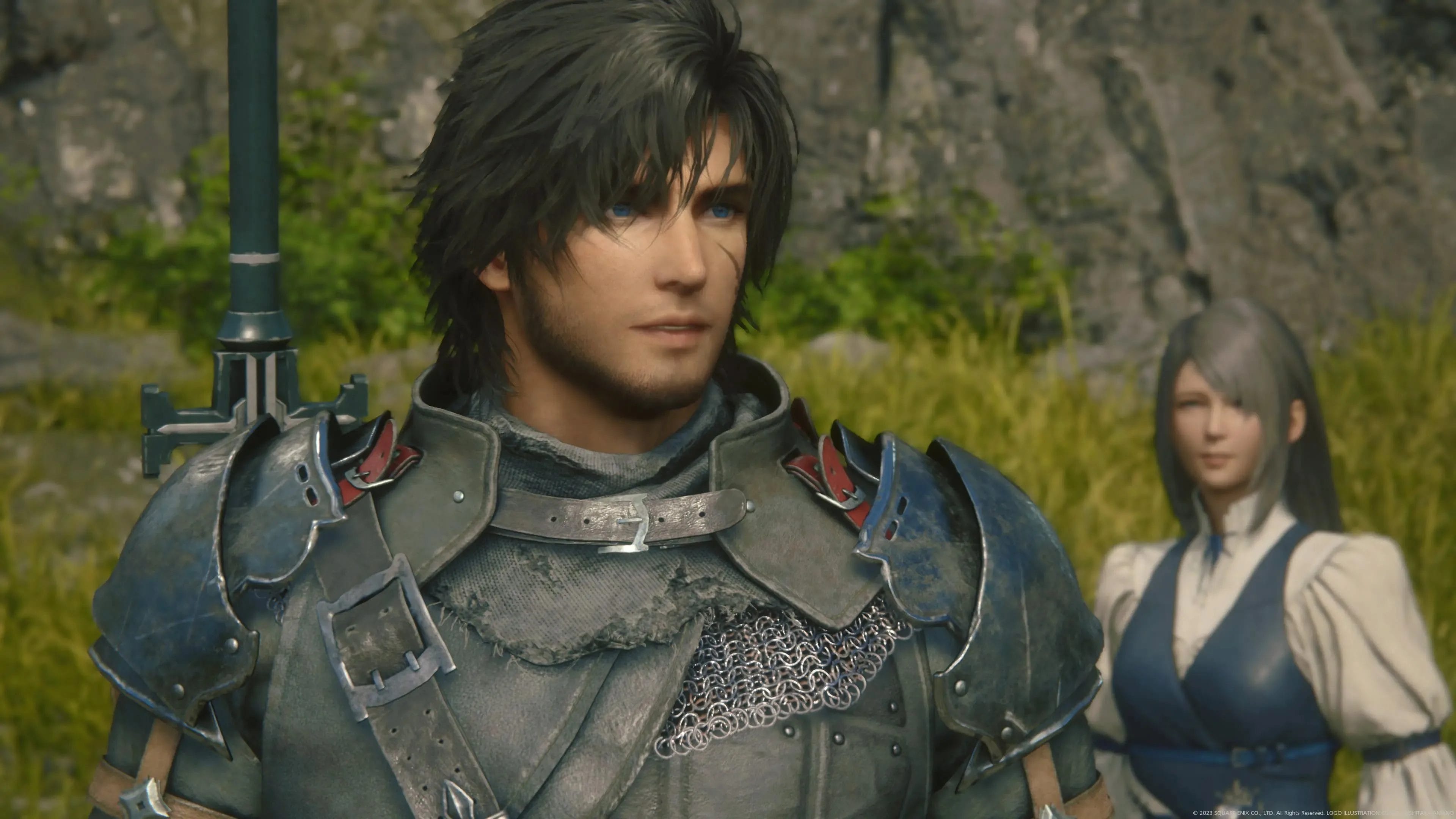
We’ll start off with possibly a controversial selection: why Final Fantasy XVI over its more lauded cousin Final Fantasy VII: Rebirth? On strictly artistic terms, whilst Rebirth’s landscape and vistas (as well as its music) are breathtaking, overall worldbuilding brings down the immersion. Some of the characters and NPCs are too modern and out-of-synch with the rest of the magical scenery.
This is not the case with XVI. The game is often compared (rightly) to Game of Thrones but I often felt, playing it, like I was immersing myself in a fantastical medieval simulator. The architecture of the towns, the castles, the Gothic landscape, the character accents and clothing; it reminded me so powerfully of the English (and Scottish) countryside, dotted with ruins of castles and veiled in ominous mist. In terms of immersion this game is unmatched in its hallowed franchise.
Whilst the worldbuilding is pure Middle Ages, the cut scenes are pure Hollywood. Especially the legendary fight between Ifrit, Phoenix and Bahamut, which literally takes to the skies, is stunningly over-the-top and makes you feel like you’re witnessing a fantastical equivalent to a Dragon Ball fight.
So yes, perhaps a controversial but confident first piece to curate in my private gallery of video-gaming greats.
4. Persona 5 Royal
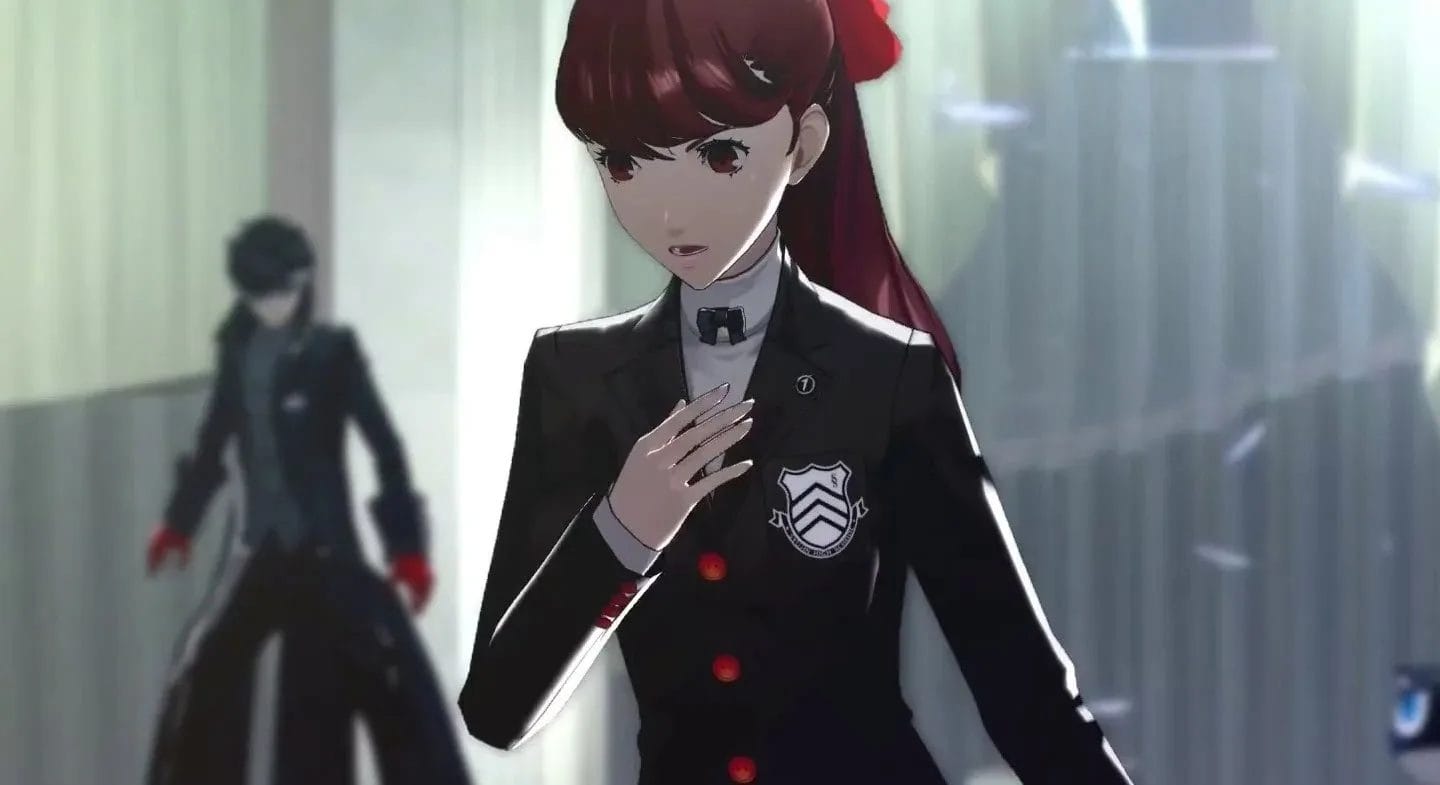
Moving away from the fantastical Middle Ages, we barrel forward into modern, sleek Japan. I haven’t been to Japan yet but in my head I can’t help hoping that Japan looks and feels like Persona 5 Royal. I hope everything is this colourful, people are this aloof and stylish, and that everywhere I walk I can hear the trendiest acid-jazz music ever composed. Is that too much to ask?
Whilst I must admit I am not a great fan of the slow, deliberate gameplay rhythm of the game, on purely artistic terms, it is difficult to top. The attention to detail poured into the developers is exquisite; from the menus, to the battle music, to the animation of the spellcasting, everything is as carefully, lovingly constructed as a medieval illuminated manuscript.
Anime tends to repeat itself artistically; from one anime show and video game to another common tropes are often repeated. This isn’t a criticism, it happens even in the greatest artists (just look at Picasso’s bulls). But in Persona 5 these same tropes are elevated to create something unique-feeling and its design beautifully harmonises with its sleek, impeccable storytelling to achieve the closest thing to a JRPG masterpiece.
3. Assassin’s Creed Shadows
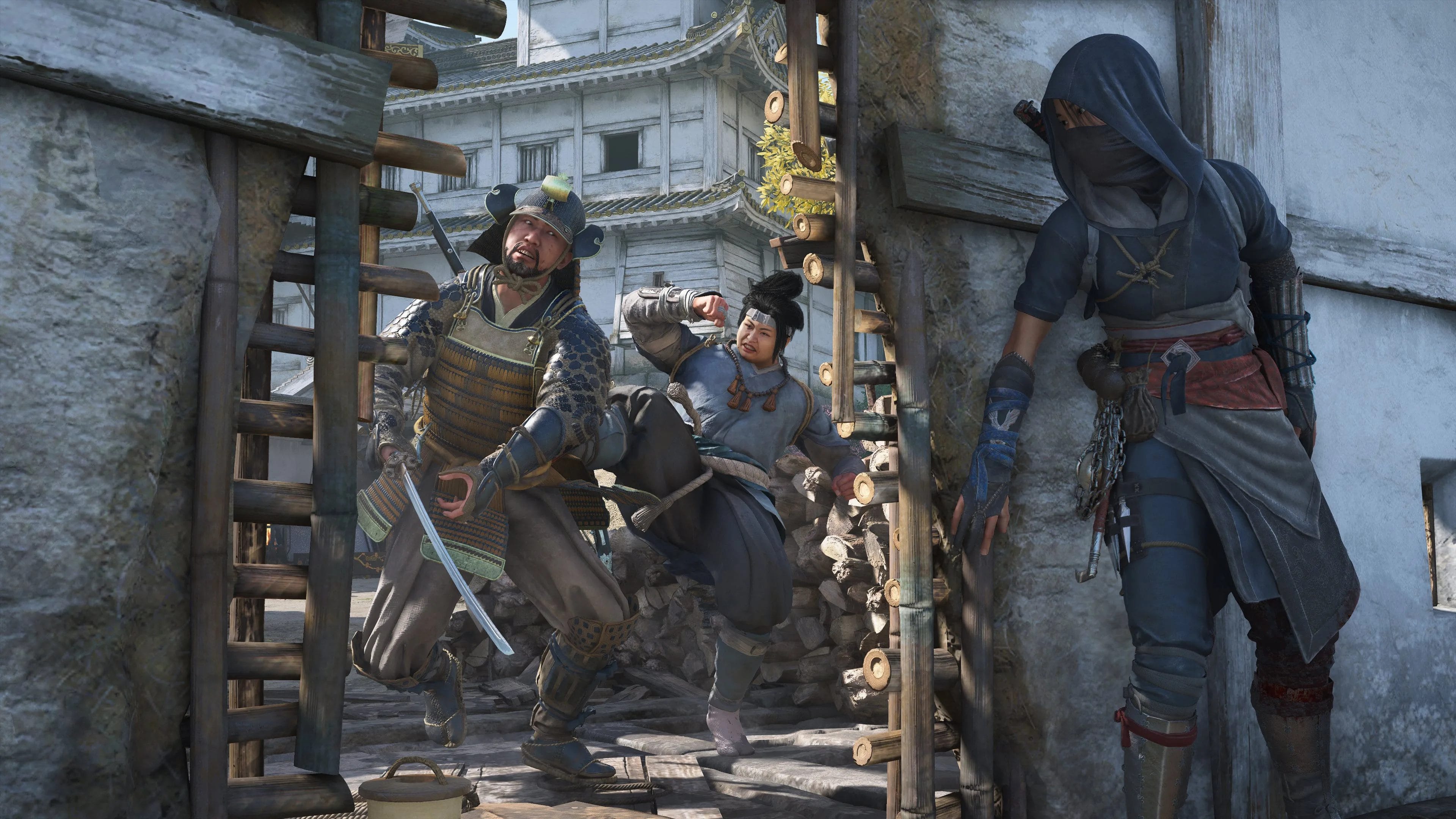
There could have been numerous entries from the Assassin’s Creed franchise that could have found their way into this gallery. The series is to be lauded for its attention to artistic detail; mentions have to be made of Origins and the Ezio collection (the games that arguably inspired me to become an art historian in the first place).
What Shadows achieves better than its predecessors is execution. In terms of imagination, it is of course limited by the (wonderful) art of its period; but graphically, it is miles apart from previous entries like Valhalla. Apart from the imposing castles, the wonderfully-designed armour, the codex that feels like a collection of the greatest Japanese art, it is simply a joy to travel through Shadows’ 16th-century Japan.
The way the leaves fall when the trees are stirred by the wind. The changing of the seasons. The driving rain which makes you feel genuinely uncomfortable. Then stopping your journey to paint a pair of foxes mating in the snow. Watching the sun glisten through the trees. Discovering a temple or shrine on a lonely mountain. You feel like Basho on his haiku-laced journey through Japan. You feel like a pilgrim. You feel special. You feel awed. And that’s a feeling that only the greatest art can hope to create in its viewers. So, straw-hat off to Shadows.
2. Clair Obscur: Expedition 33
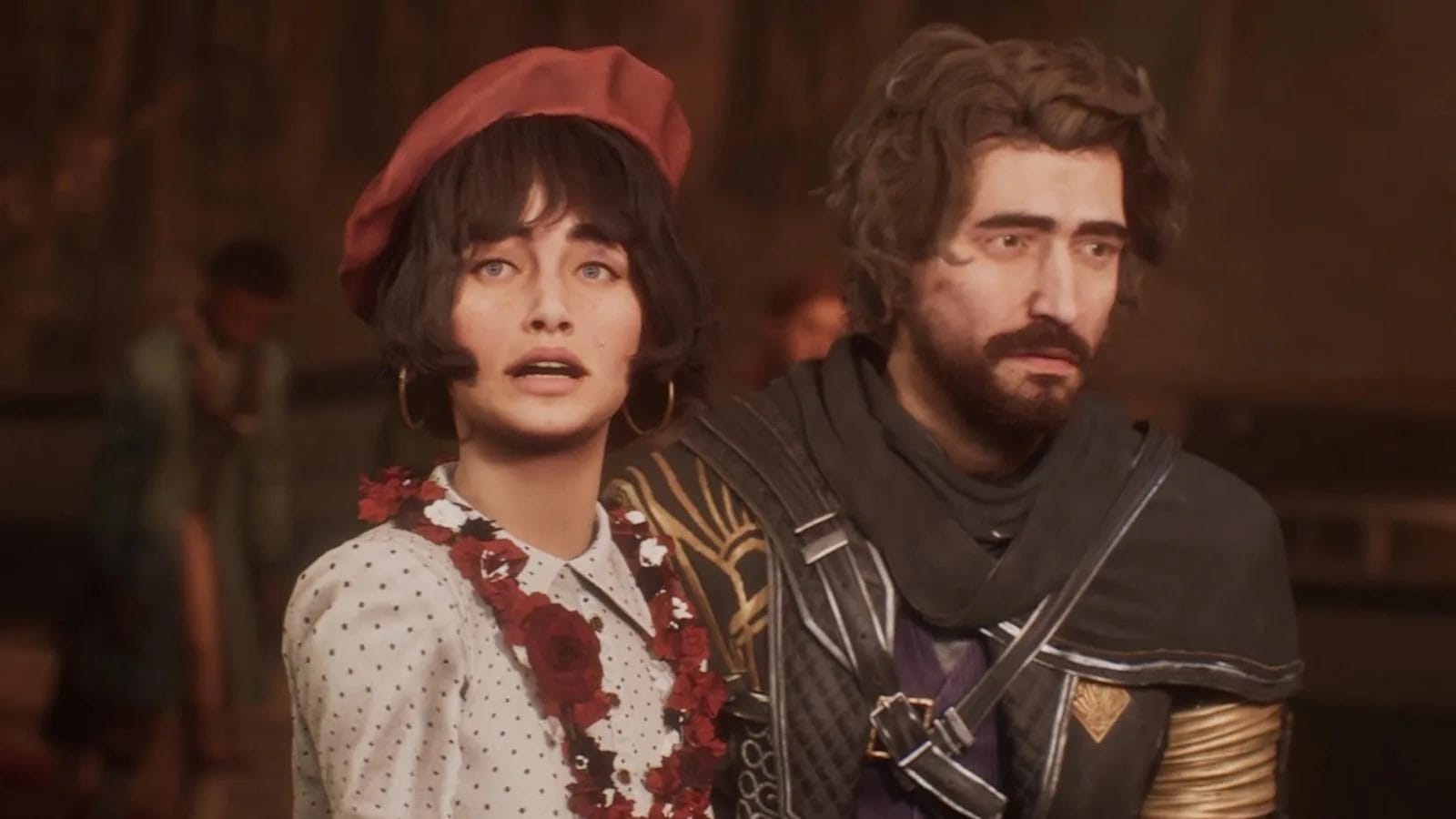
Most of the games included so far have been Japan-made or set (or both) – but now we come to a surprising masterpiece made by a French developer that is oozing French Rococo style. Can it be argued that 2025’s Game of the Year has created a new subgenre: the FRPG? What a sweet deal that would be.
As inspired as Sandfall clearly were by their JRPG predecessors (Persona 5 included) in terms of gameplay – artistically, they have created something never before seen in a mainstream video game. The battles in this turn-based RPG are an artistic delight; the music, the visuals, the backgrounds. And speaking of battles, it has to be said that Clair Obscur features the most imaginative enemy design that I can remember. Everything in this game is a work of art.
Not only that: the story itself is about art. Without going into spoiler territory, it is explained from the onset that your expedition is fighting a being called the Paintress who every year kills an age group of that slowly descends towards zero as the years go by. The inventive monsters you fight are products of her imagination. And by the end, the message the game delivers about the sheer power of art left me, as credits rolled, speechless and close to tears.
1. Elden Ring
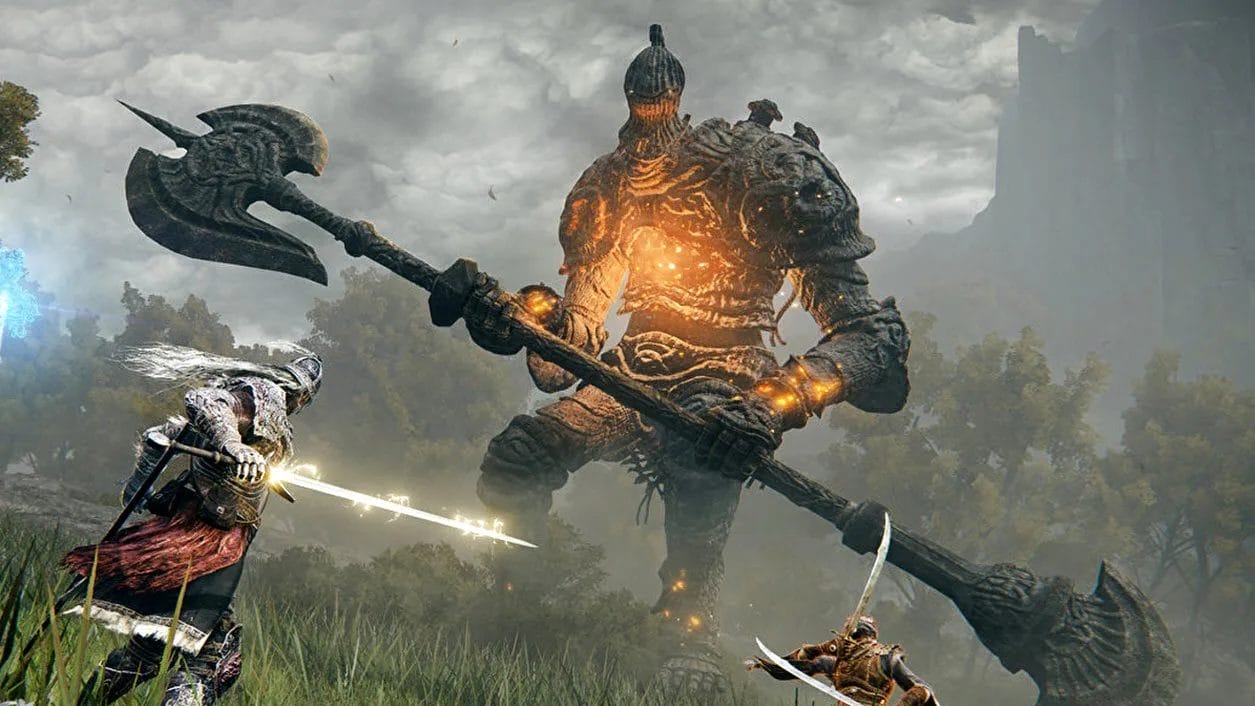
Elden Ring does not do much to be great. Unlike the maximalist approach of games like Clair Obscur and Persona 5, Elden Ring is an exercise in refined minimalism. From its story, to its gameplay, to its uncluttered HUD screen, everything is stripped down to its core gameplay mechanics. And the same goes for its hauntingly torturous world, the Lands Between.
The Lands Between is the product of classicising, nightmarish genius. It makes me think of the artwork of Fuseli, Piranesi, Goya and William Blake. Riding Tattered through the open vistas of the Lands Between, you just have to stop and look up, at soaring Gothic castles, the golden shimmer of the eldtree, the scattered ruins, and then you enter areas like Laskyar Ruins and Raya Lucaria Academy, and you stop, take it in, listen to the minimalist, spine-chilling music, and just feel grateful.
I started this article by saying that playing these video game greats feels like owning an artistic masterpiece in your own living room – and in no other game is that feeling more pronounced than in Elden Ring. And honestly, its staggering success, success that has now made FromSoftware household names, (and now a movie is in production, too), lifts my spirits and makes me hopeful that art and the love of art is still alive and strong, it has just shifted from canvas and sculpture to the Lands Between. Happy days.