Games Workshop has officially unveiled the 11th edition of Warhammer 40,000 at AdeptiCon 2026, pivoting the game’s narrative back to the war-torn hives of Armageddon. The new edition, set for a June release, is headlined by a major launch box featuring the Blood Angels defending against an Ork Waaagh! led by the legendary Wazdakka Gutsmek.
The reveal is steeped in nostalgia, most notably confirming the return of Commissar Yarrick. After his high-profile “off-screen” absence in the previous edition, the saviour of Armageddon returns with a new miniature to lead the Astra Militarum once more. While the return of fan-favourite characters provides the narrative hook, the true investigative interest lies in a radical restructuring of the game’s core targeting and terrain mechanics.
The most significant shift is the introduction of a new “15-inch rule” for units in terrain. Under 11th edition rules, any unit positioned within a terrain footprint that has not yet fired its weapons cannot be targeted by enemy fire from more than 15 inches away. This “Hidden” status is designed to curb the “alpha strike” meta, where expensive, centrepiece miniatures were frequently destroyed on the first turn before they could act.
Paul W, contributor at Geek Native, noted:
It strikes me as good news for everyone who doesn’t run a pure shooting army. 15 inches is comfortably outside maximum charge range, but it means a foot-slogging melee army only needs to suffer one turn of shooting before they can get in threat range. The other big change to shooting maths is that cover reduces your opponent’s chance to hit rather than making your save one better. I don’t know the maths, but my gut says that making shots that would hit on a 3+ hit on a 4+ will reduce incoming damage more than turning a 5+ save into a 4+. ‘Ignores Cover’ weapons will be huge.”
This change to how cover is calculated represents a fundamental shift in the game’s underlying “math-hammer.” By moving the modifier from the “Save” roll to the “To Hit” roll, Games Workshop is making it harder for elite armies to simply rely on high armour saves to survive. This shift also makes expensive centerpiece models more attractive, as they are now protected from long-range destruction until they are ready to strike.
However, this raises questions regarding the promised “backwards compatibility” of 10th edition Codex books. While existing books are stated to remain valid at launch, the shift in how cover and targeting work may leave older army lists feeling mechanically misaligned with the new environment.
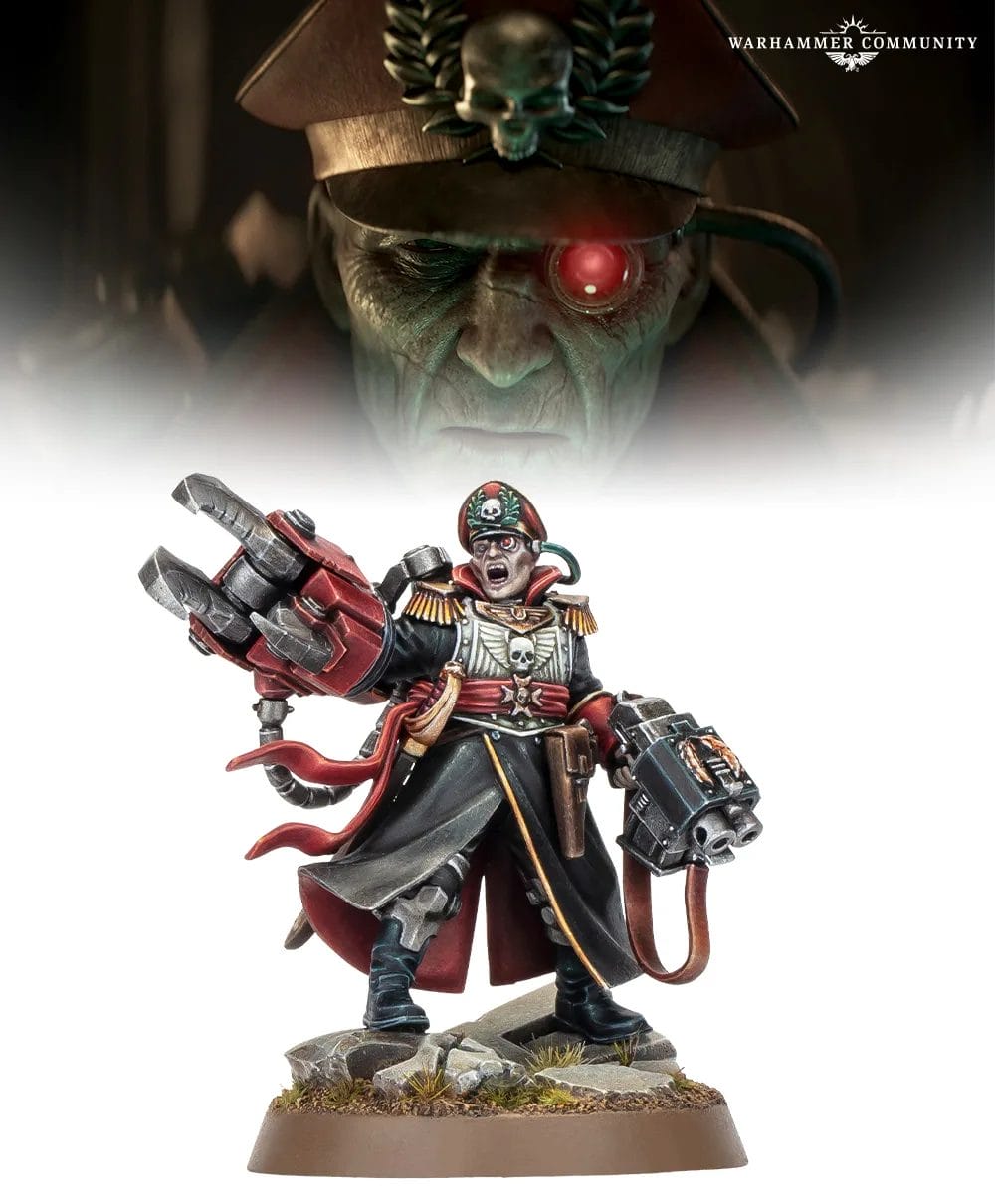
The new edition also introduces “Modular Detachments,” allowing players to combine different tactical sub-sets within a single army. This move away from rigid, single-focus army building suggests a push towards more bespoke and experimental lists. Paul added:
Allowing multiple detachments per army is the most interesting change to me, depending on how the rules work. I’m sure there’ll be all sorts of fun combos.”
This move towards physicality and close-quarters brutality is already being mirrored in the wargaming community. As discussed in our recent interview with Loaded Dice, clubs are already retooling their terrain collections to move away from abstract circular objective markers. In the 11th edition, actual terrain features like bunkers and shrines will determine control of key locations.
In an official statement on Warhammer Community, a comment on the design stated:
Armies that specialise in holding ground will be rewarded for doing so, while other forces that may be optimised for disrupting enemy plans, or just killing lots of enemies, will be rewarded for doing that too!”
With over 70 new detachments promised at launch and a ruleset that prioritises movement over stationary shooting, 11th edition appears to be reclaiming the “grim darkness” of the setting through a more immediate, dangerous form of wargaming.