Mathieu Saintout, the Publishing Director of Arkhane Asylum Publishing, has officially announced a landmark partnership with Ubisoft to develop Tom Clancy’s The Division Tabletop Roleplaying Game. Announced on 24 March 2026, the project marks a significant shift for the French studio, moving from a powerhouse of European localisation into the lead developer role for one of gaming’s most valuable intellectual properties.
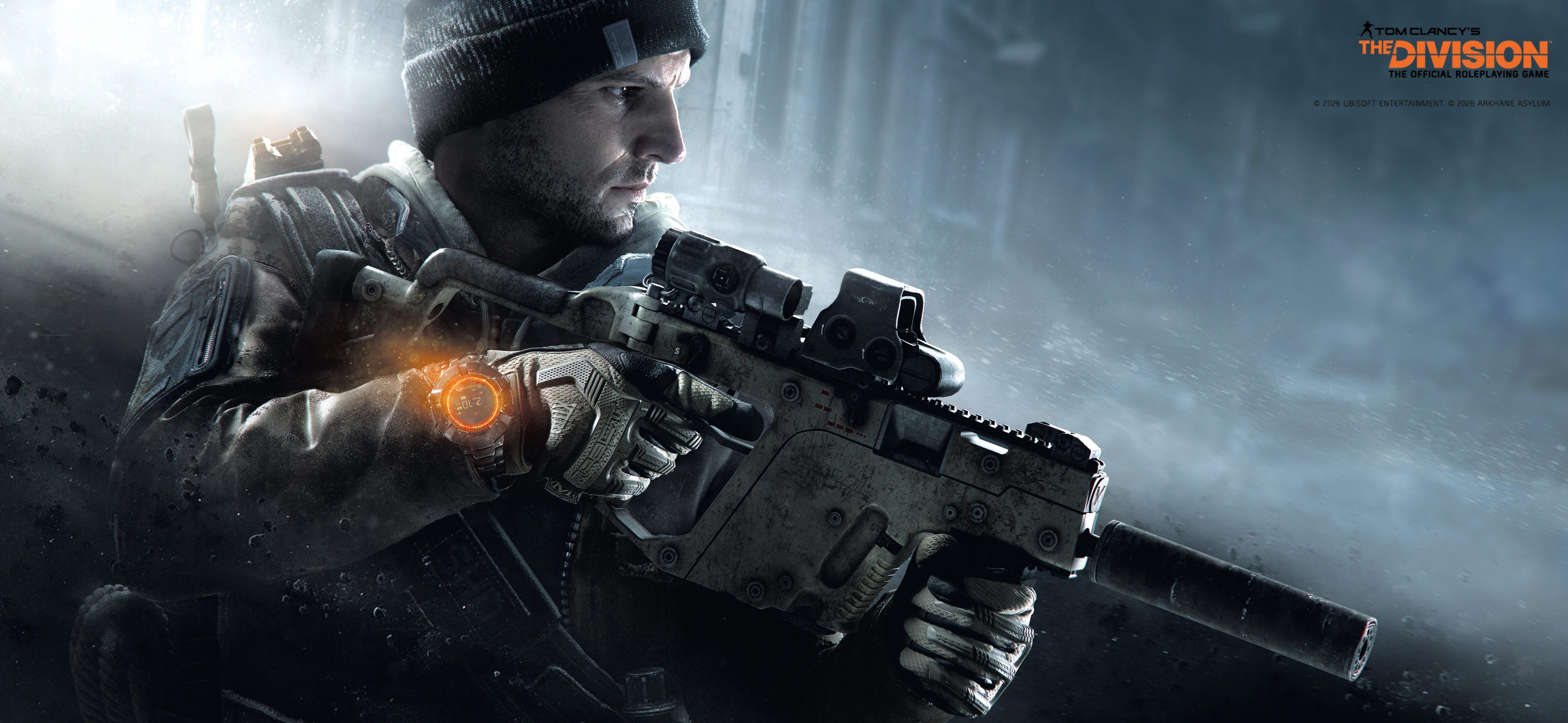
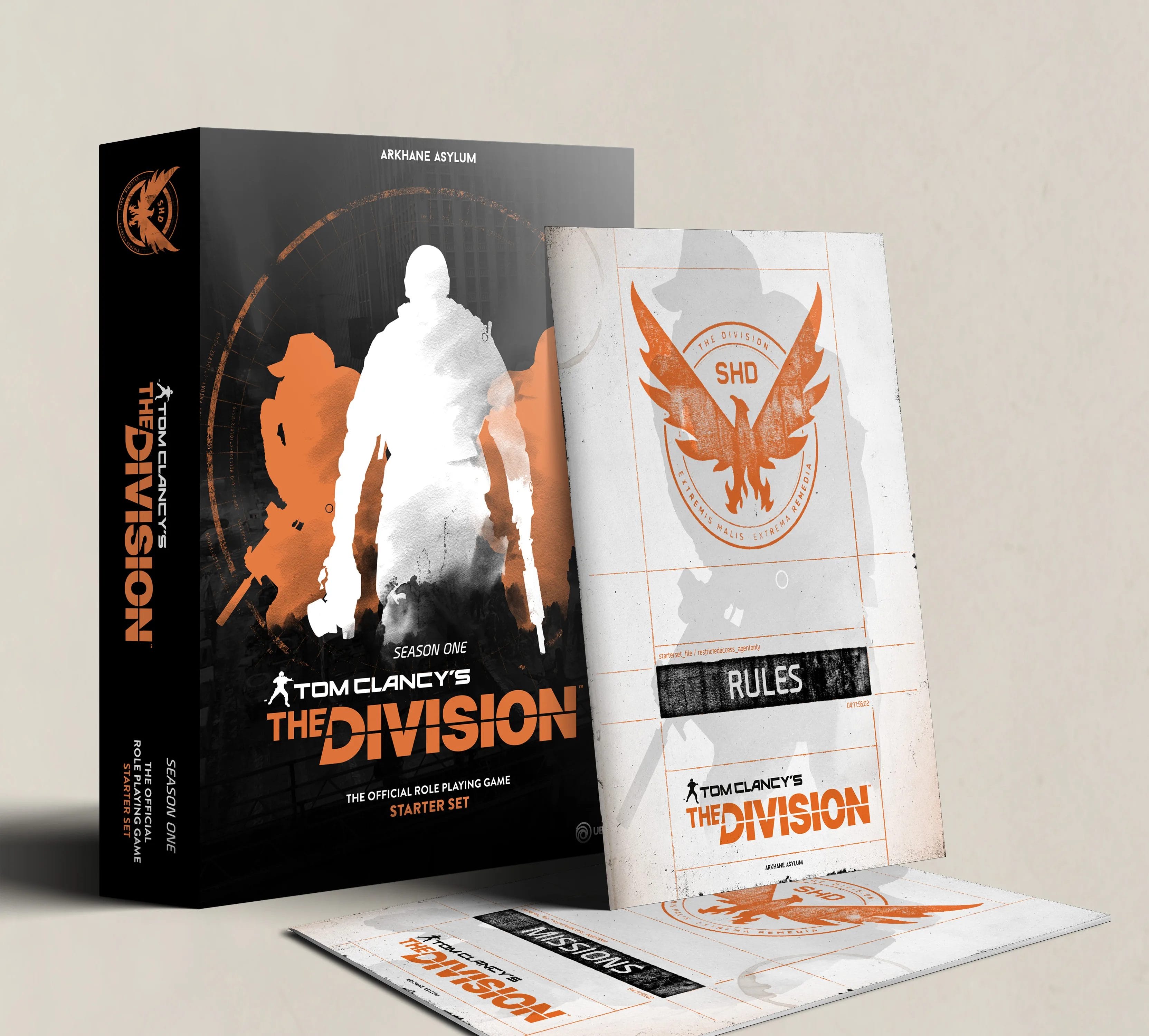
The project is scheduled to launch on Kickstarter in June 2026, offering a Starter Set, Core Rulebooks (comprising the Agent’s Manual and Coordinator’s Manual), and a suite of tactical miniatures. A free Quickstart guide is expected to be released shortly, allowing players to test the game’s “Resolution Dice” system – a mechanic designed to simulate high-stakes pressure by having players roll multiple d10s but retain only the single best result.
Ubisoft, the TTRPG Kingmaker
This partnership represents more than just another licensed game; it is a calculated move by Ubisoft during its massive “Creative House” restructuring. By handing the keys of The Division to Arkhane Asylum, Ubisoft is positioning itself as a “kingmaker” in the tabletop industry. Following similar high-profile collaborations with CMON for Assassin’s Creed and Modiphius Entertainment for Heroes of Might and Magic, Ubisoft is effectively using tabletop platforms to maintain brand engagement while its video game internal schedules undergo a “portfolio reset”.
For Arkhane Asylum, based in the burgeoning Mediterranean tech hub of Nice, this is a “breakout” moment. Traditionally known for bringing Cyberpunk RED and Alien to the French market, the studio is now exporting its own design philosophy to a global audience. The decision to focus on the “sleeper agent” activation and the rebuilding of society, rather than just the cover-based shooting of the digital source material, suggests a narrative-heavy approach designed to satisfy seasoned roleplayers rather than just loot-driven fans.
The Interview: Rebuilding the Collapse
The Division is iconic for its tactical gunplay, but you’ve mentioned that the roleplaying game focuses more on rebuilding society. Was there a specific “lightbulb moment” where the team realised the real story wasn’t in the shooting, but in the connections between the survivors?
Mathieu Saintout: A big part of this shift came from reflecting on my own experience with the game. Like many players, I spent a lot of time engaging with The Division through its combat—it’s a core part of the experience, and it’s what you naturally do most of the time. But when I thought back on what really stayed with me, it wasn’t the firefights. It was the quieter moments—the cutscenes, the interactions with civilians, and the glimpses of people trying to hold on to something in the middle of the collapse. Those moments felt incredibly human, and they gave a completely different depth to the world.”
What can a group of players around a table achieve in this world that a player behind a controller simply can’t?
Mathieu Saintou: For me, the biggest difference comes down to freedom – and more specifically, meaningful freedom. In a video game, even one as rich as The Division, you’re always operating within a defined framework. Around a table, everything changes. Players are no longer limited by what the game has planned for them – they can decide what actually matters. They can choose to spend an entire session negotiating with a group of survivors instead of fighting them. They can fail, adapt, and create consequences that aren’t scripted in advance.”
Post-apocalyptic games often lean into the “grimdark” or the “survival of the fittest.” Your vision seems to lean toward “survival of the community.” How do you balance the gritty reality of a collapse with the optimism of rebuilding?
Mathieu Saintout,: That balance is really at the heart of the project. The world of The Division is harsh – there’s no denying that. Society is on the brink of collapse, resources are scarce, and people are often pushed to their limits. But at the same time, what makes The Division stand out to me is that it’s not a world that has completely given up. There’s still something worth saving. Hope doesn’t come from ignoring the darkness – it comes from choosing to act in spite of it.”
Mechanics & Narrative Ownership
I noticed the role of the Game Master is referred to as the “Coordinator”. Does this change the dynamic of how the game is run compared to a traditional “Dungeon Master”?
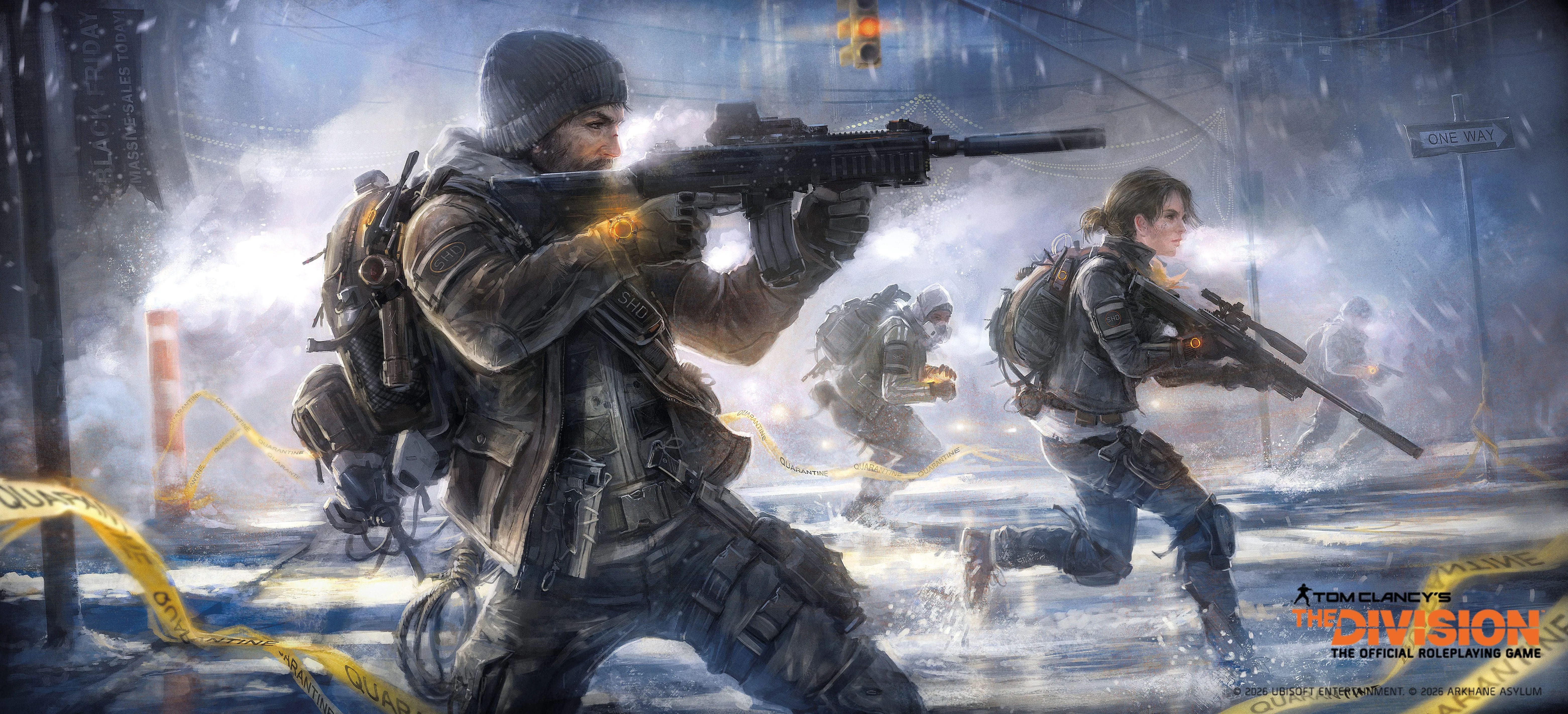
Mathieu Saintout: Yes, it does – mainly in how we frame the role within the world. We use the term ‘Coordinator’ instead of something like ‘Dungeon Master’ because we wanted the role to feel fully integrated into the world of The Division. The Coordinator is the person in charge of the Agents – providing them with support, guiding their operations, and helping them navigate the situation on the ground. In this game, the narrator is not an enemy, scheming behind a screen and setting foes and obstacles on the player’s path. The Coordinator is never playing ‘against’, but always with and for the other members.”
In the video games, “upgrading the base” is often a menu-driven experience. How does the tabletop roleplaying game turn the act of “reconnecting a neighbourhood” or “restoring power” into a compelling narrative beat?
Mathieu Saintout,: Restoring power to a neighbourhood, for example, isn’t just a result – it’s a story. It might involve securing the area, negotiating with a group that controls key infrastructure, finding the right equipment, or dealing with unexpected complications along the way. Each step can become a scene, with its own challenges, choices, and consequences. When the lights come back on, it’s not because a bar filled up – it’s because of what they did, the risks they took, and the decisions they made.”
The Division agents are “sleeper” operatives with civilian lives. How much does a character’s “before-the-fall” profession (like being a teacher, a mechanic, or a doctor) influence their abilities once they are activated?
Mathieu Saintout: That’s a very interesting aspect of The Division, but it’s also something that the video games themselves don’t explore in great detail, and we chose to stay aligned with that approach. Rather than focusing on the ‘before-the-fall’ lives of the Agents, we decided to centre the experience on the moment that truly defines them: their activation. From there, what matters most is not who they were before, but what they choose to become. Their actions, their decisions, and the way they interact with the world will define their identity moving forward.”
The Partnership & Studio Vision
Arkhane Asylum has a stellar track record with licensed games like Cyberpunk RED and The Walking Dead. How has the collaboration with Ubisoft shaped the world-building?
Mathieu Saintout: The collaboration with Ubisoft has been a key part of the project from the very beginning. I had the opportunity to visit Massive Entertainment’s studio in Malmö with my game designer, which was a very important moment for us. Being there, discussing directly with the people who created the game, and getting a deeper understanding of their vision really helped shape our approach. At the table, you can decide what role you want to play in that world. If a group wants to go after someone like Keener – or even choose to side with him -that’s entirely possible.”
Looking at your past work and now The Division, what does a “good roleplaying game” look like to you personally?
Mathieu Saintout: For me, a good roleplaying game always starts with a very simple question: what kind of experience do we want players to have at the table? I’m not particularly interested in building complex systems for their own sake. I often compare it to a film score. A good system is like a good soundtrack—it supports the story without ever getting in the way. You notice it because of how it makes you feel, not because it demands your attention.”
Fans have been homebrewing The Division rules for years. What is the one “official” thing in this book that you think will surprise even the most dedicated “Agent”?
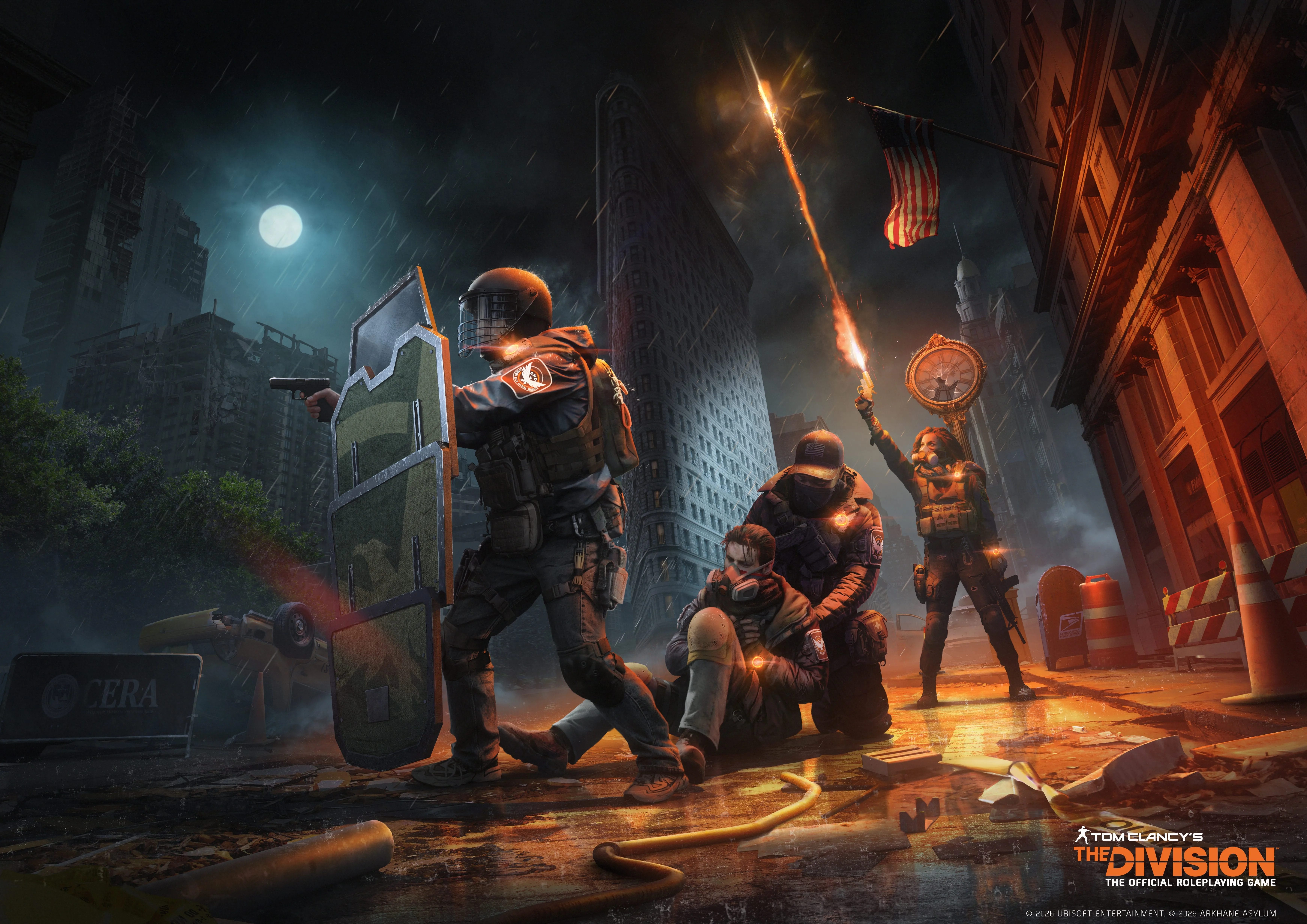
Mathieu Saintout: I think what might surprise players the most is the way we approached the idea of the squad. We introduced a cohesion system that reflects how well the Agents function together. As the team builds trust and works as a unit, they can unlock advantages – calling in support, gaining access to reinforcements, or activating specific tactical benefits during missions. But what’s important is that this cohesion doesn’t come from nowhere. It’s directly tied to how the players interact with each other, and the choices they make as a group.”
When players finally close the book after a long campaign, what is the one feeling you hope they take away about the resilience of humanity?
Mathieu Saintout: I think the feeling I’d like players to take away is that even in the darkest situations, they can become a light in the dark—a beacon of hope. Resilience is not just about enduring—it’s about choosing to act, to help, and to rebuild, even when it’s uncertain. And in that sense, the Agents are more than survivors. They can become that beacon—something others can rely on to move forward again.”
Thanks, Mathieu!
The shift from a digital looter-shooter to a narrative-heavy roleplaying game is an ambitious gamble, but one that aligns with the current tabletop trend of “meaningful survival”. With the June Kickstarter on the horizon, the industry will be watching to see if Arkhane Asylum can successfully translate Ubisoft’s blockbuster mechanics into the nuanced, community-driven stories Mathieu Saintout envisions. For a studio that has spent years perfecting the French editions of others’ worlds, this is their moment to prove they can lead the global conversation. Whether you are a veteran Agent or a newcomer to the collapse, the move from the controller to the character sheet looks set to be the studio’s most significant operation yet.