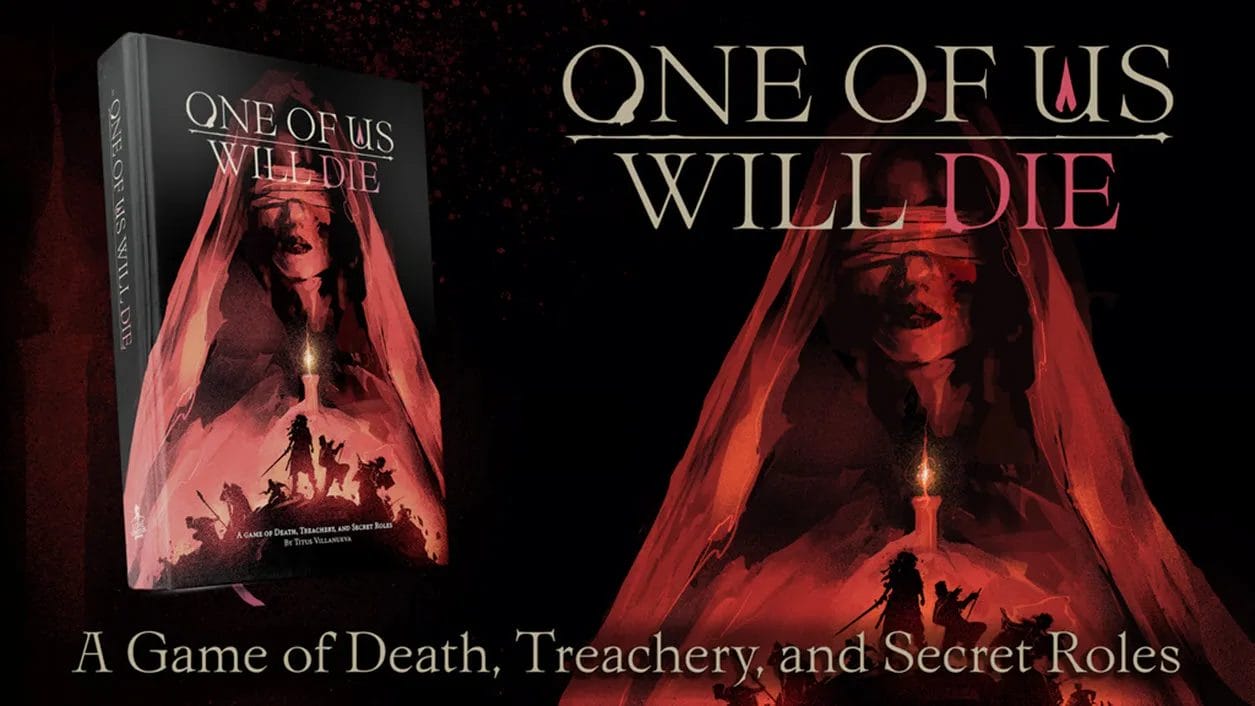
The certainty of death is rarely a starting point in tabletop roleplaying games, but for Titus Villanueva III, it is the only way to begin. His upcoming project, One of Us Will Die, scheduled for a Kickstarter launch in April 2026, explicitly informs one player at the table that their character will not survive the session.
Published by the St. Paul-based Lone Colossus Games, the title blends social deduction with high-stakes cinematic drama. While the premise of a “doomed” character might sound like a mechanical gimmick, Villanueva’s design is rooted in the Filipino cultural concept of hugot. Translating literally as “to draw out,” hugot refers to the act of pulling deep, relatable, and often painful emotions from one’s own experiences to share with a community. In this game, death is not a failure state; it is the catalyst for a shared emotional release.
The Mechanics of Mortality
In a standard session lasting three to five hours, players are secretly assigned one of three roles:
- The Mark: The player who knows they are destined to die and must steer their character toward that fate.
- The Traitor: A player who can identify and kill The Mark before their destiny is fulfilled.
- The Adventurer: A player capable of saving The Mark, though only by sacrificing their own life in the process.
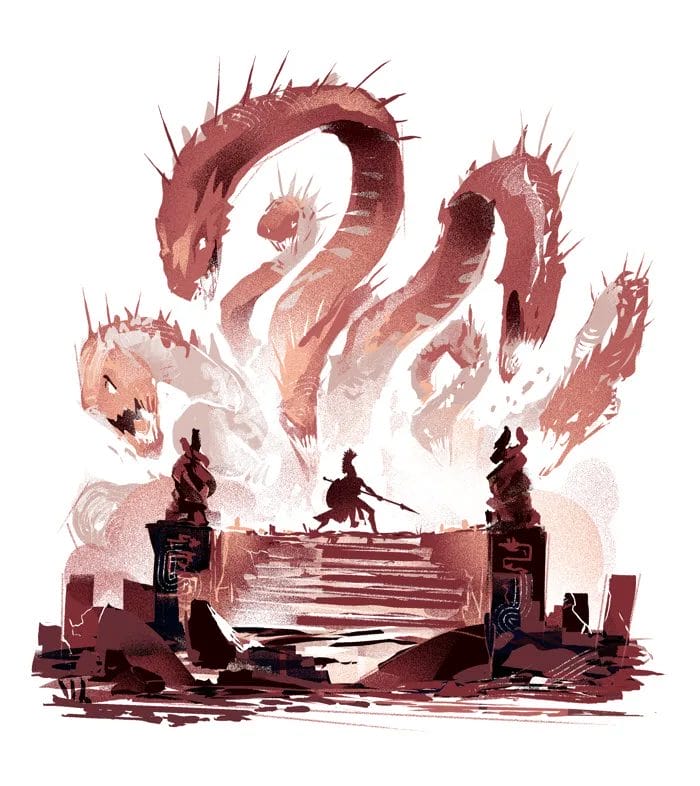
The game is setting-ambiguous, allowing groups to apply these roles to anything from high fantasy to cosmic horror. The core book is expected to include 15 archetypes and a bestiary of over 70 adversaries, many drawn from Filipino folklore. To ensure the heavy themes of mortality and sacrifice remain safe for players, the team has recruited Cassie Walker, a therapist and “Death Doula,” as a sensitivity consultant.
From St. Paul to the Philippines
The partnership between Villanueva and Josh Rosing, the editor and publisher at Lone Colossus Games, marks a significant logistical undertaking. While the studio is rooted in Minnesota’s active gaming scene, they have committed to a “logistical triangle” for fulfilment. This includes dedicated hubs in the US, the UK, and the Philippines, ensuring that the creator’s home community receives customs-friendly shipping – a rarity in the indie TTRPG space.
Titus Villanueva III, who brings a background in stage acting and historical fencing to his writing, explained the cultural weight behind the mechanics:
Filipinos often craft [hugot] to vent personal frustrations and struggles. It is a way many in the Filipino community relate with each other so that the weight of heartbreak is borne together by many instead of the one. When [grief] finally does, know that you don’t have to carry that weight alone.”
The Investigative Perspective
While the emotional pitch is strong, the game enters a crowded market of social deduction titles. The “friction” lies in the interaction between The Traitor and The Mark. In traditional games like Among Us or Werewolf, the goal is survival or elimination. Here, the tension is narrative. If The Traitor kills The Mark too early, the “cinematic tapestry” promised by the creators may unravel before the emotional hugot is achieved.
Furthermore, while the physical production includes high-end “Fateweaver” enamel pins, Lone Colossus Games has yet to confirm specific Virtual Tabletop (VTT) support. For a game so dependent on secret roles, a feature that thrives in digital environments, the absence of a confirmed Foundry or Roll20 integration may be a hurdle for international groups playing remotely.