In the high-stakes world of collectable trading cards, the “chase” is the engine of the economy. Yet, as values for rare foils and alternative-art cards soar, so does the sophistication of those looking to skim the cream before a pack even reaches the till. Whether it is Magic: The Gathering, Pokémon, or Disney Lorcana, the “unweighted” pack is becoming a rare commodity.
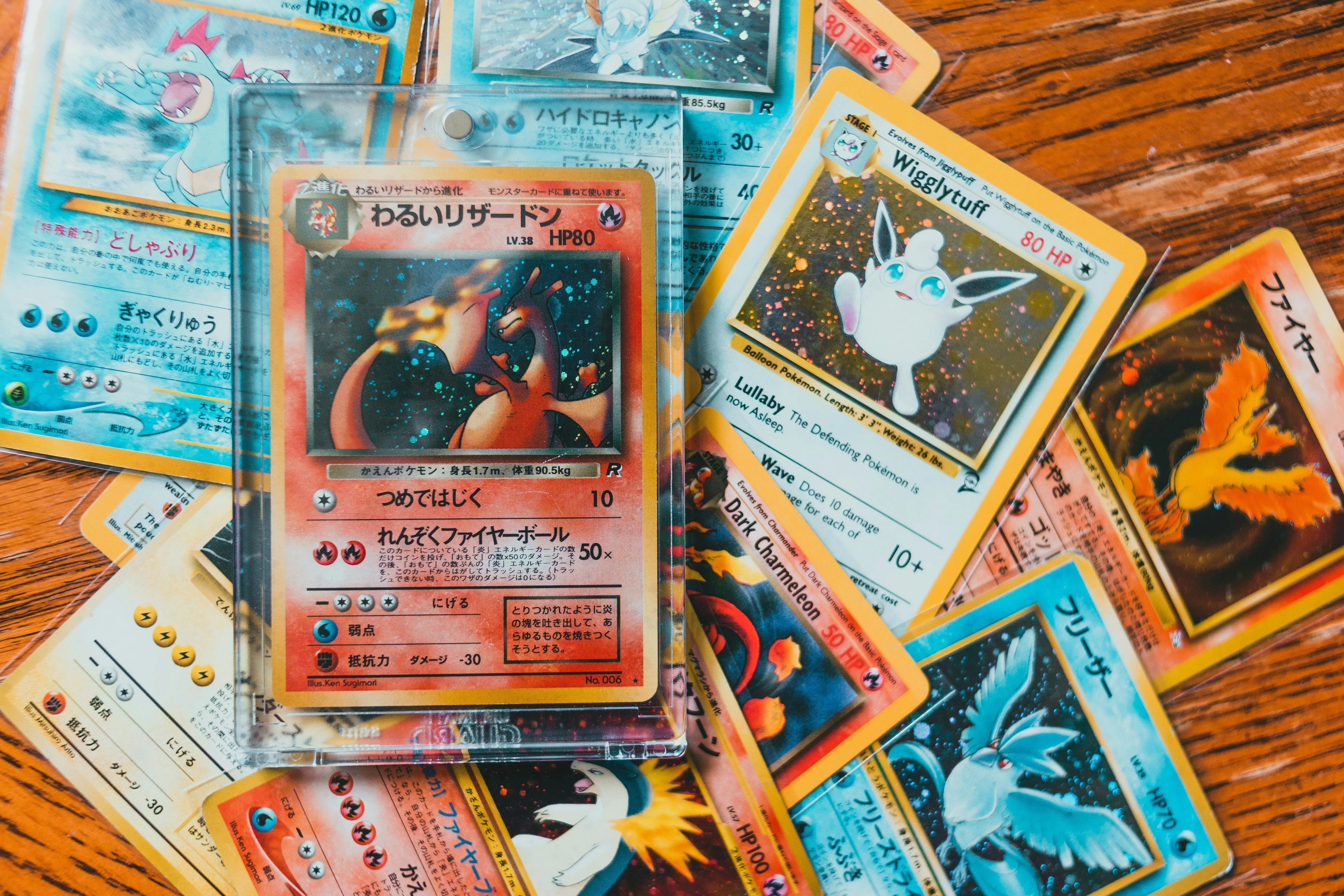
Stuart Robb, the co-owner of Thistle Tavern Games Hub in Aberdeen, has issued a warning to collectors: the casual buyer is increasingly the target of “weighed” and “resealed” inventory. While his advice leans heavily toward supporting independent local game stores, the technical reality of how cards are tampered with suggests that the “big box” retail model, relying on high volume and low oversight, may be fundamentally incompatible with TCG security.
The Physics of the “Heavier” Pack
The most pervasive threat is “weighing.” Because holographic and foil cards require additional layers of metallic film, they are fractionally heavier than standard cardboard.
Stuart Robb, Co-owner at Thistle Tavern, said in a statement,
This is the big one most casual buyers don’t know about. Holo cards are heavier than regular cards, so a pack containing one will weigh slightly more. Unscrupulous sellers weigh entire boxes, keep the heavy packs themselves, and sell the light ones.”
This practice has turned secondary markets into a minefield. While a site like Toy Street maintains a professional reputation, the “open-shelf” policy of supermarkets like Tesco or Asda allows anyone with a pocket-sized digital scale to “filter” the stock in the aisle. By the time a parent buys a pack for a child, the mathematical probability of finding a rare card may have been reduced to zero by a previous “browser.”
The “Reseal” and the Squeeze Test
Beyond weighing, the physical integrity of the foil itself is a tell-tale sign of foul play. High-value packs are often opened using surgical precision—frequently along the factory crimp—the “hit” card removed, and a “bulk” common inserted before being resealed with a heat pen.
Robb suggests a “squeeze test” to identify these compromised products. A factory-sealed pack maintains a specific internal air pressure and “uniformity” that is nearly impossible to replicate once the original seal is broken. If a pack feels loose, or if the cards shift too freely within the foil, it is a significant red flag.
Why the “FLGS” Logic Holds Up
The cynicism regarding Thistle Tavern’s “buy local” stance is understandable, but from a journalistic perspective, the incentive structure of a local game store is inherently different from a supermarket. A shop like Thistle Tavern or Edinburgh’s Black Lion Games relies on a recurring community of competitive players. If a “dead” box (one where all the hits have been pulled or filtered) is sold to a regular, the reputational damage is terminal.
In contrast, a high-footfall toy shop or supermarket has no “community” to answer to; TCGs are merely another SKU alongside Lego and board games. They lack the specialist knowledge to recognise when a display case has been tampered with or “searched” by a knowledgeable predator.
The 2026 Landscape: Is Any Pack Safe?
As we move toward major Scottish events like Tabletop Scotland and Conpulsion 2026, the pressure on manufacturers to “weight-match” their packs is mounting. Until Wizards of the Coast or The Pokémon Company can guarantee that a “hit” pack weighs the same as a “dud,” the burden of security remains with the buyer.
Ultimately, the choice between a large online retailer and a local hub like Thistle Tavern comes down to the chain of custody. In a world where a milligram of foil can equal a £500 price difference, knowing exactly whose hands have touched your cards before you do is no longer just a luxury – it is a necessity.
Photo by Erik Mclean on Unsplash
Independently covering Scotland since 2010. Our archive includes 5 entries connected to this topic.
Latest entry: March 2026