While the internet spends the week making “Abominable Intelligence” jokes regarding Games Workshop’s new AI policy, a far more interesting business strategy is quietly unfolding in Nottingham.
In its half-year financial report released this week, Games Workshop confirmed a strict prohibition on Generative AI in its design studios. But look past the lore-friendly memes, and you will see a company that has recognised a shifting tide in the creative industries. As competitors dabble in cost-cutting automation, the Warhammer creator is doubling down on the “Human Premium.”
The “Artisan” Defence
In the report, CEO Kevin Rountree stated that his senior managers are “not that excited” about AI, outlining a policy that forbids its use in design processes or art.
We have also agreed we will be maintaining a strong commitment to protect our intellectual property and respect our human creators,”
This is not just ethical grandstanding; it is a shrewd market differentiator. In 2024 and 2025, the tabletop industry saw significant consumer backlash against companies like Wizards of the Coast whenever AI-generated artefacts were suspected in their books or marketing. The “AI look”, glossy, generic, and still occasionally anatomically suspect, is rapidly becoming associated with cheap, churned-out content.
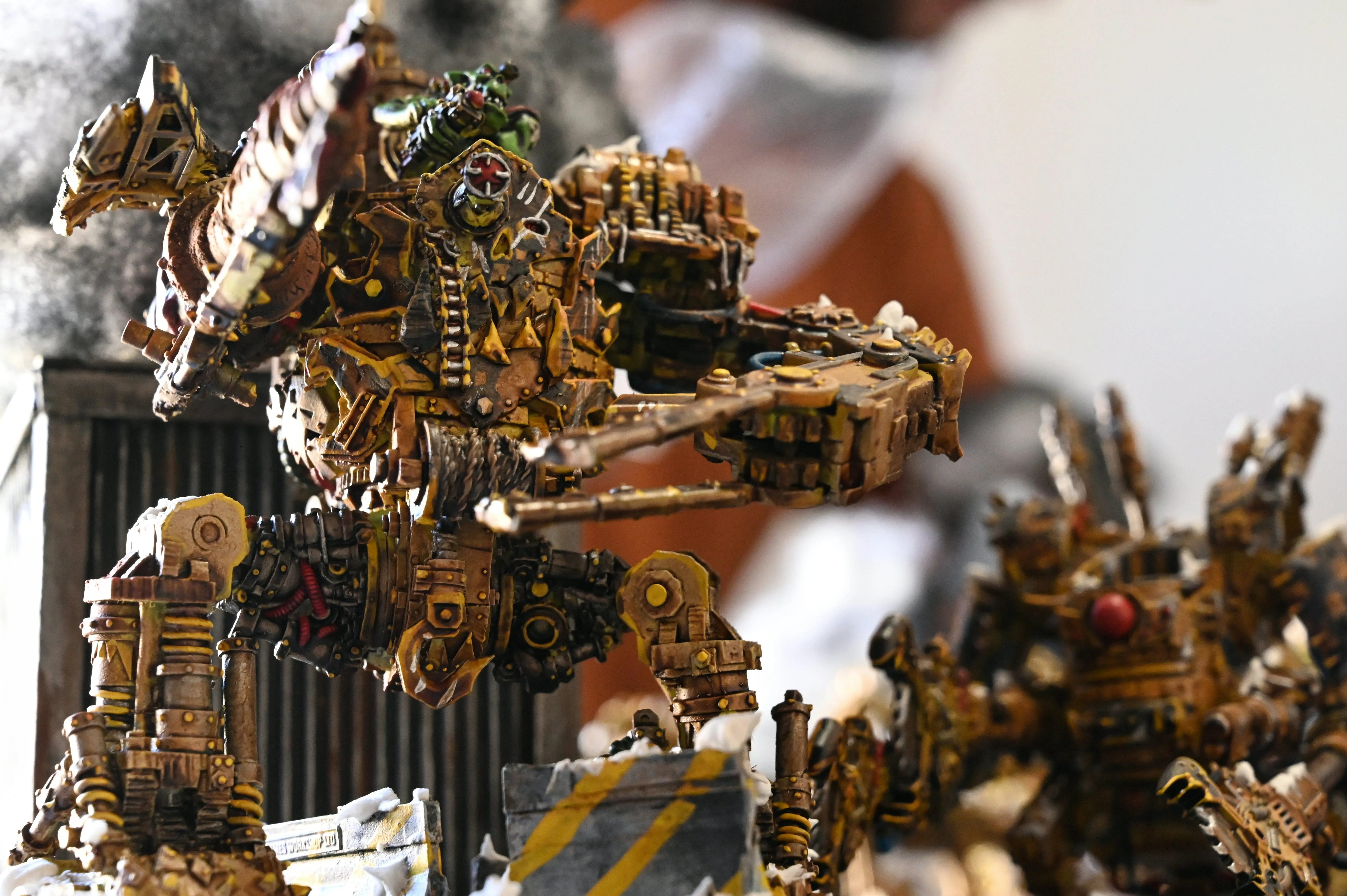
By explicitly banning the tech, Games Workshop is effectively applying a “Handmade” label to its rulebooks and miniatures. In a luxury hobby market where enthusiasts spend hundreds of pounds on plastic soldiers, the assurance that a human artist sculpted that face or wrote that lore snippet is becoming a Unique Selling Proposition worth paying for.
Winning the Talent War
The other side of this coin is recruitment. The creative industries are currently awash with anxiety as concept artists, writers, and sculptors fear replacement by algorithms.
GW’s financial report highlights continued investment in the Warhammer Studio, noting that it is actively hiring skilled creatives. By declaring its studio an AI-free zone, GW makes itself the safest harbour in the industry for top-tier talent. While other studios might offer efficiency tools, Games Workshop is offering job security and respect for the craft. This allows them to likely scoop up the best artists fleeing more tech-enthusiastic competitors.
The Copyright Fortress
Finally, there is the legal moat. The copyright status of AI-generated work remains murky across global territories. For a company like Games Workshop, whose entire valuation is built on the iron-clad protection of its Intellectual Property, allowing non-copyrightable AI assets into its pipeline is a vulnerability it cannot afford.
If an AI writes a codex, can GW sue for copyright infringement? They would rather not find out in court. Keeping the creation process biological keeps the copyright lawyers happy.
Games Workshop has calculated that, in the 2020s, human creativity is a luxury good and intends to charge a premium for it.
If you want to support human-designed games, Zatu Games has a massive stock of Warhammer box sets, or you can pick up individual units at Magic Madhouse. For the digital side of things, Fanatical runs regular deals on the Total War: Warhammer series.
Photo by Samuel Fortin on Unsplash.