The release of Dying Light: The Beast arrives at a pivotal moment for Techland’s flagship franchise, in the nuanced space between a triumphant sequel and a vital course correction. Following the ambitious but structurally divergent Dying Light 2: Stay Human, this new standalone entry represents a deliberate and studied recalibration toward the series’ core identity. After exhaustive playtime, it becomes unequivocally clear that The Beast is not merely supplemental content but a targeted, masterfully executed manifesto on what made the original 2015 classic so electrifying. It is a compelling argument for density over scale, character over choice, and atmosphere over expanse.
Reclaiming a Legacy: The Calculated Resurrection of Kyle Crane
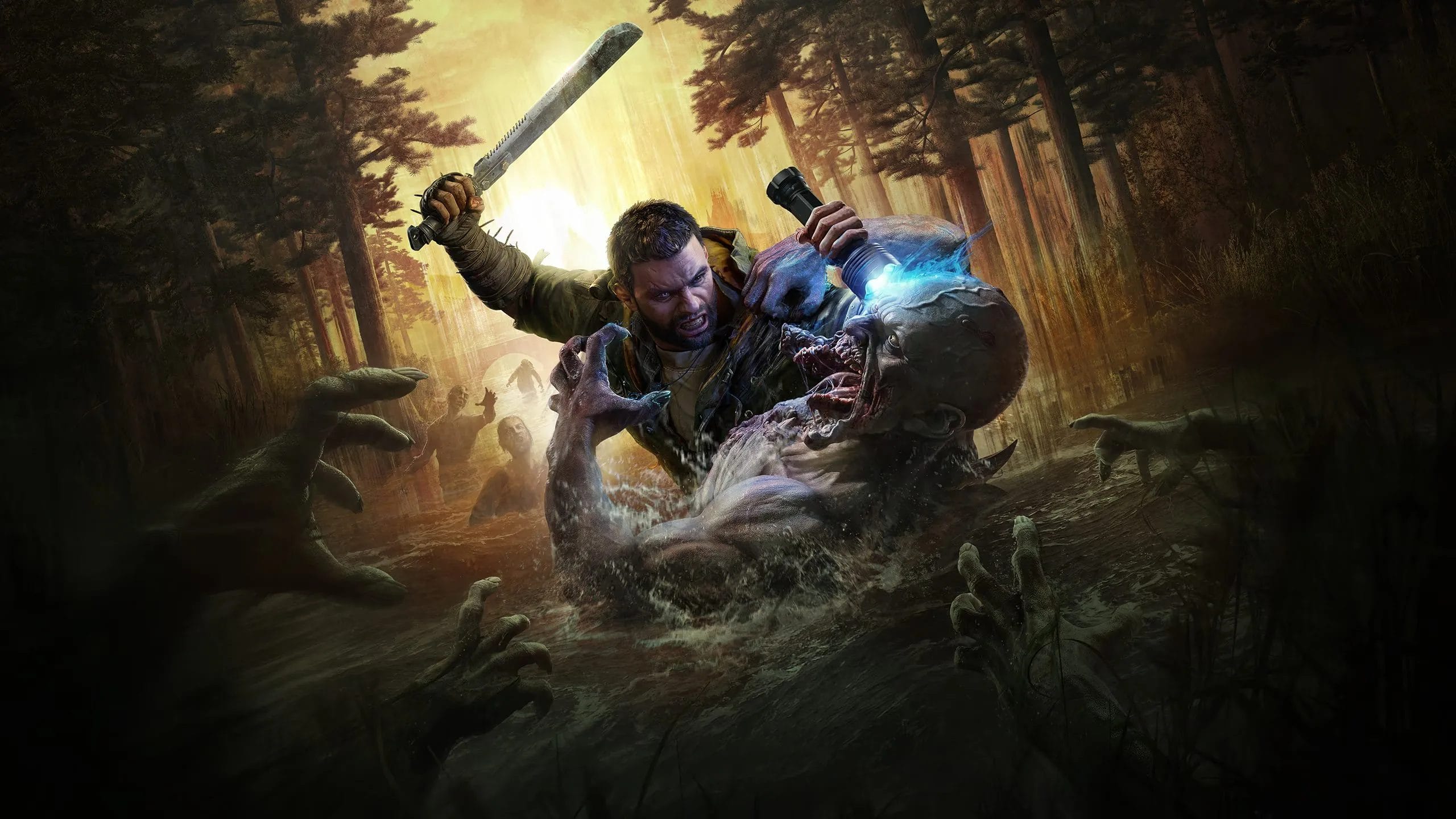
The most potent narrative catalyst in The Beast is the return of Kyle Crane, the original protagonist whose absence in Stay Human left a tangible void for the franchise’s dedicated core. This is not a simple fan-service cameo, but a narrative re-anchoring. Set thirteen years after the catastrophic conclusion of The Following expansion, the game finds Crane physically and psychologically shattered—a decade-long prisoner subjected to unspeakable experiments by a new nemesis, the ominously titled Baron.
Techland’s narrative team leverages this brutal backstory to profound effect. The Crane we control is a stark contrast to the determined, if occasionally naive, GRE operative of Harran. He is a man defined by trauma, driven not by institutional duty or vague altruism, but by a raw, consuming need for vengeance and a fractured desire to reclaim the humanity stripped from him. This fundamental shift in motivation from external obligation to internal necessity lends a newfound gravity to every mission, every struggle. The writing confidently embraces a darker, more cynical protagonist, transforming the player’s journey from a checklist of objectives into a visceral campaign of psychological and physical reclamation. This sharp narrative focus is The Beast’s foundational strength, providing a coherent, compelling throughline that was often diluted amidst the factional politics and branching, sometimes disjointed, pathways of its predecessor.
World Design Mastery: The Triumph of Curated Density
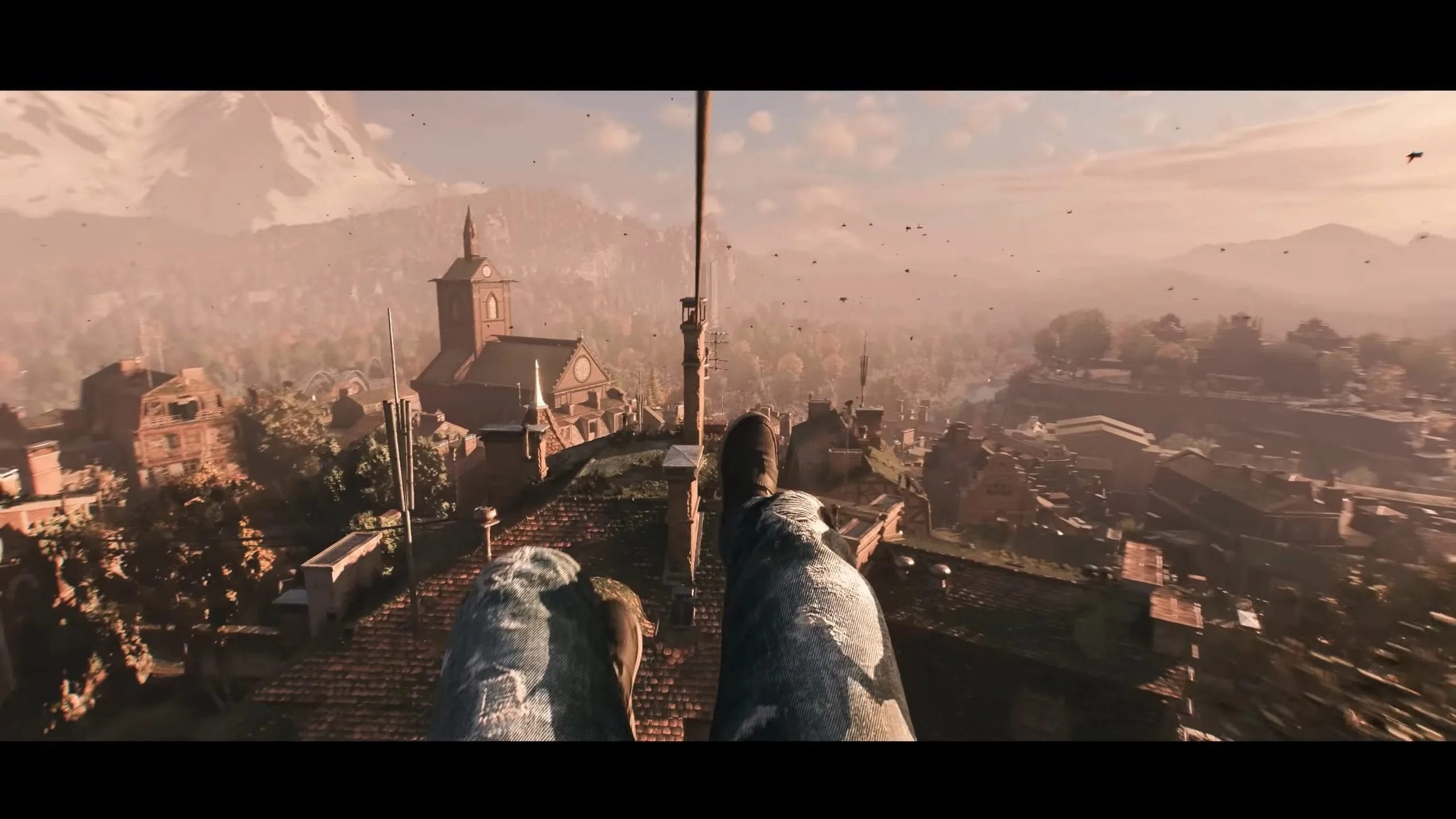
In a bold and ultimately brilliant departure, The Beast abandons the vast, vertically tiered metropolis of Villedor for the claustrophobic, mist-shrouded environs of Castor Woods, a fallen tourist region in the Western Alps. This geographical shift is not merely aesthetic; it is a philosophical statement on open-world design. The map is conspicuously smaller in sheer square mileage, but it represents a masterclass in curated density and atmospheric storytelling, trading the repetitive, copy-pasted architecture of an endless city for a meticulously hand-crafted environment.
The setting—a haunting blend of dense forests, crumbling industrial lumber mills, and isolated rustic cabins—fundamentally rewrites the series’ parkour DNA. The effortless, rhythmic flow of rooftop sprinting is replaced by a more deliberate, survivalist traversal. Players must constantly read the natural landscape, identifying scalable rock faces, navigable tree canopies, and strategically placed ziplines. This re-engagement with the environment as a tangible puzzle restores a sense of grounded peril that was sometimes lost in the superheroic aerial mobility of late-game Stay Human. The atmosphere is consistently and palpably eerie, with environmental storytelling—abandoned campsites, hastily scrawled warnings, and derelict research stations—building a locale steeped in tragic history and immediate threat.
Gameplay Evolution: Integrating the “Beast” with Purpose
The titular new mechanic—a “Beast Mode” allowing Crane to temporarily harness Volatile-like ferocity—stood as the game’s highest-risk proposition. It could have easily devolved into an overpowered gimmick, trivialising the careful balance of vulnerability and competence. Instead, it is integrated with remarkable narrative and mechanical finesse. Framed as a horrific, permanent scar from his captivity, this ability functions as a strategic “rage” meter, built through combat and moments of high tension.
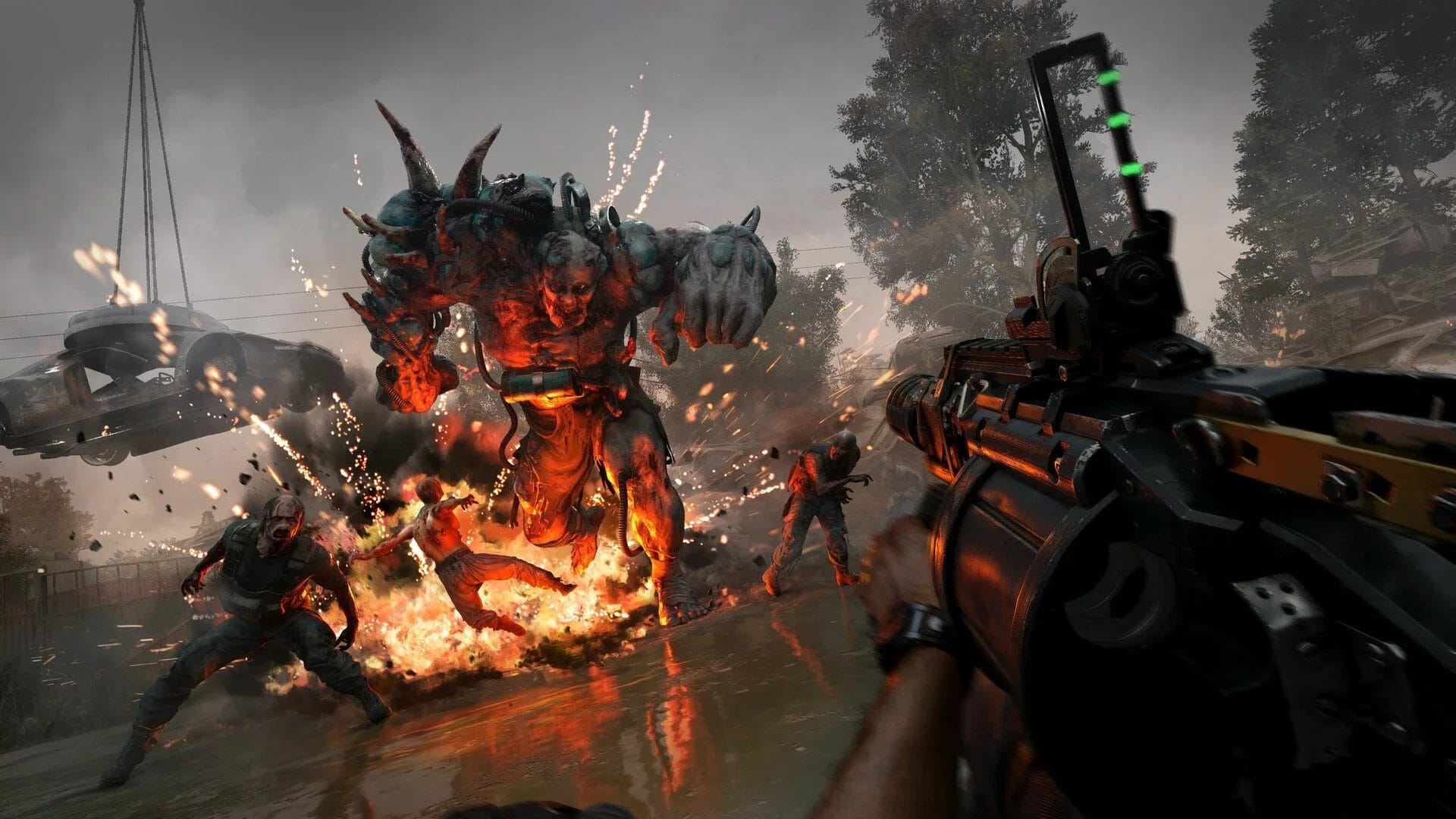
The subsequent power fantasy is viscerally cathartic and a technical showcase for Techland’s peerless first-person melee combat feedback. The sensation of shredding through hordes with primal abilities is unparalleled. Crucially, its use is heavily governed. It serves as a fleeting power trip or a desperate “break glass in emergency” option, creating a compelling dynamic oscillation between the vulnerable, parkour-driven human and the brief, devastating monster. This elegant system injects new strategic depth into late-game encounters, directly addressing the potential for combat staleness without undermining the foundational survival-horror tension that defines the franchise’s best moments.
This thoughtful design extends to other systems. The integration of firearms, for instance, is handled judiciously. Ammo remains scarce, positioning guns as precious tools for critical interventions against armoured human foes or special infected, rather than default solutions. This preserves the core identity of melee improvisation and agile movement.
Refined Mission Architecture and a Return to Focused Storytelling
The Beast demonstrates that Techland has internalised a key critique of modern open-world design. It aggressively sheds the generic fetch-quest scaffolding and MMO-style checklisting that padded its predecessor’s runtime. Side missions are more thoughtfully conceived, often weaving directly into the thematic fabric of the main narrative or serving as self-contained vignettes that deepen the player’s connection to Castor Woods and its beleaguered inhabitants. Characters encountered feel like authentic survivors bearing their own trauma, not mere quest dispensers.
Perhaps most significantly, the game confidently abandons the sprawling, branching narrative pretensions of Stay Human in favour of a linear, tightly paced, and character-driven story. This constraint proves liberating. The development resources saved on crafting illusory choices are redirected into crafting superior, set-piece-driven missions with a clear authored vision. A standout sequence—an extended infiltration and sabotage mission within the Baron’s fortified industrial complex—exemplifies this, seamlessly blending tense stealth, demanding parkour navigation, and culminating in explosive, multi-stage combat. The antagonist himself benefits from this focused approach; through scattered audio logs, environmental clues, and key interactions, the Baron evolves beyond a cartoonish overlord into a figure with a warped, perversely logical ideology, making the final confrontation feel narratively and emotionally earned.
Interrogating the Criticisms: A Detailed Rebuttal
Common criticisms from broader media outlets warrant a more granular examination, as they often stem from a misalignment with the game’s specific design goals.
- “The Map is Too Small / Lacks Urban Verticality”: This critique in other media mistakes scale for substance. Castor Woods consciously exchanges overwhelming breadth for intentional density and a different form of verticality—one of cliff faces, towering pines, and industrial silos. The result is a world devoid of procedural filler, where every location possesses a unique identity and purpose within the gameplay and narrative ecosystem. The paraglider’s absence (or severe limitation) is a feature, not a bug, forcing re-engagement with the moment-to-moment thrill of traversal.
- “The Story Campaign is Short (18-20 hours)”: In an era dominated by 100-hour RPGs saturated with bloat, The Beast’s focused 20-hour core campaign is a deliberate and welcome virtue. It champions pacing and narrative momentum, delivering a consistently engaging experience without resorting to grind-based gatekeeping. This lean runtime also enhances replayability, encouraging New Game+ cycles to experiment with different Beast skill trees and weapon synergies on higher difficulties.
- “It’s Just More of the Same”: This assessment, often intended as a slight, actually pinpoints the game’s triumph. After Dying Light 2’s ambitious but sometimes alienating foray into complex RPG-lite systems, The Beast is a conscious, precision-driven refinement of the core formula. It polishes the iconic parkour to a fluid sheen, deepens the combat with the Beast layer, and resolutely restores the oppressive, terrifying lethality of the night. It innovates meaningfully within its established framework rather than chasing trends at the cost of identity.
- “Beast Mode Trivialises the Challenge”: This criticism ignores the sophisticated balancing act at play. While powerful, the mode is tempered by significant cooldowns, a meter that requires skilful play to fill, and a nocturnal enemy roster whose aggression and numbers escalate dramatically. It is intentionally ineffective for precision platforming or stealth, cementing its role as a specialised combat tool—a temporary tide-turner, not an omnipotent “win” button.
Technical Execution and Lasting Appeal
Beyond design, The Beast stands as a technical showcase. The game’s visual identity, particularly the interplay of light through forest canopies and the thick, dynamic fog, creates a consistently stunning and tense atmosphere. The sound design remains top-tier, with every weapon impact, zombie snarl, and haunting ambient tracks compounding the sense of isolation and dread. The core gameplay loop of “scavenge by day, survive by night” regains its original potency, with the added strategic dimension of knowing when to unleash the Beast to reclaim control of a desperate situation.
Furthermore, the game’s structure as a focused, standalone experience suggests robust potential for post-launch support. A world this dense is ripe for additional story expansions, challenge modes, and community events that can extend its lifespan meaningfully, rather than merely adding more square kilometres of empty space.
Verdict: A Definitive Statement of Purpose
Dying Light: The Beast is more than a successful sequel; it is a compelling, focused evolution that acts as both a triumphant return and a clarifying mission statement for the franchise. It convincingly resurrects the gritty, desperate soul of the original by synthesising a powerful character-driven narrative, an atmospheric and dense world, and smartly iterative gameplay mechanics into a cohesive, relentless experience.
For the dedicated community that cherished the original game’s unique blend of parkour freedom and survival horror, The Beast is the definitive, satisfying answer to their calls. It proves with confidence that -in a landscape saturated with bloated open worlds,- there is profound value in curated density, authored focus, and a respectful refinement of a potent core identity. Techland has not only brought back Kyle Crane; they have, with striking clarity, resurrected the very heart of what made Dying Light an unforgettable phenomenon. This is the true heir to Harran’s legacy.