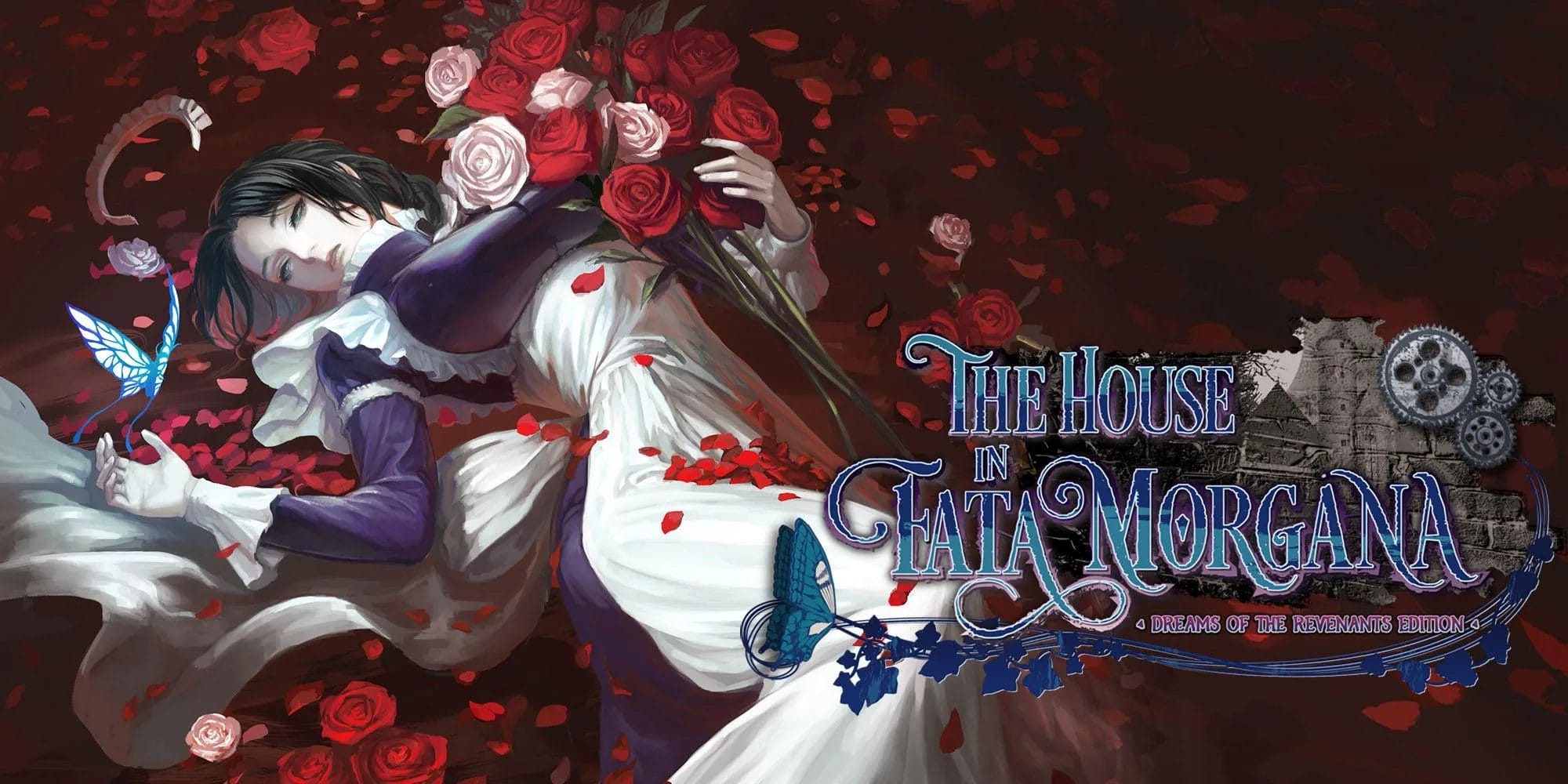
The House in Fata Morgana is an indie game created by NOVECT. In a time when people say they want deep, immersive stories, this game somehow remains completely overlooked despite how highly it has been praised. Most people don’t even know it exists. That alone feels wrong. The game sits at 96 on Metacritic, which is higher than many big AAA games that dominate online discussions and get talked about nonstop.
Yet Fata Morgana stays hidden, almost forgotten, even though it delivers a stronger narrative than most of those games ever attempt.
I think the main reason The House in Fata Morgana is so criminally underrated is that it is nothing like what people expect.
When someone hears the term visual novel, they usually imagine cute character designs, light romance, jokes, or something relaxing and easy to consume. Fata Morgana goes in the complete opposite direction. It is dark, slow, and heavy. It tells a gothic suspense story that focuses on suffering, regret, and human cruelty. Once you experience it, you quickly realize that it cannot really be compared to other visual novels at all. It does not feel like one. Instead of relying on humor or romance to keep the player interested, it dives deep into themes like tragedy, identity, morality, and the consequences of the choices people make.
There is a quote that perfectly describes the game.
When it comes right down to it, The House in Fata Morgana is an epic love story, but one which feels far closer to Shakespeare than a dating sim.”
Love exists in this game, but it is not comforting or ideal. It is painful, obsessive, and sometimes destructive. The game does not present love as something purely beautiful. It shows how love can save someone, but also how it can ruin lives and push people to do unforgivable things.
The atmosphere, art style and music
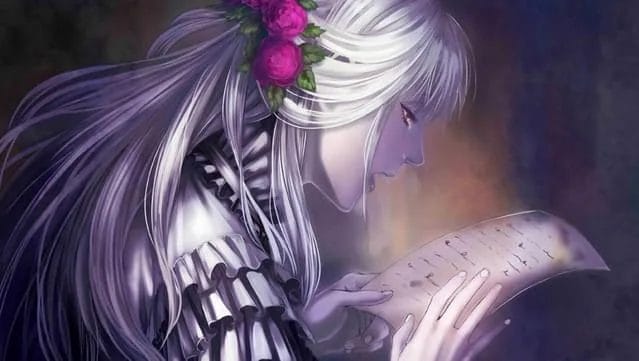
One of the first things you notice when starting the game is the atmosphere. Everything feels dark and heavy, like the air itself is filled with sorrow. The mansion does not feel like a normal setting. It feels alive, almost cursed. The art style plays a considerable role in this. The character designs look like stained glass paintings, and the backgrounds feel cold and distant. Combined with the slow pacing, it creates a sense of dread that never really leaves. The game does not rely on action or visuals meant to impress you. Instead, it focuses on mood and emotional impact, making every scene feel important.
The music in The House in Fata Morgana is one of its strongest elements. From the very beginning, the soundtrack pulls you into its world. The music makes the mansion feel real, as if every hallway and room carries the memories of the people who suffered there. During tragic moments, the music makes the pain feel heavier and harder to ignore. During quieter scenes, it gives you space to reflect and sit with your thoughts. The soundtrack does not just play in the background. It becomes part of the story and stays with you long after you finish the game.
The plot of The House in Fata Morgana
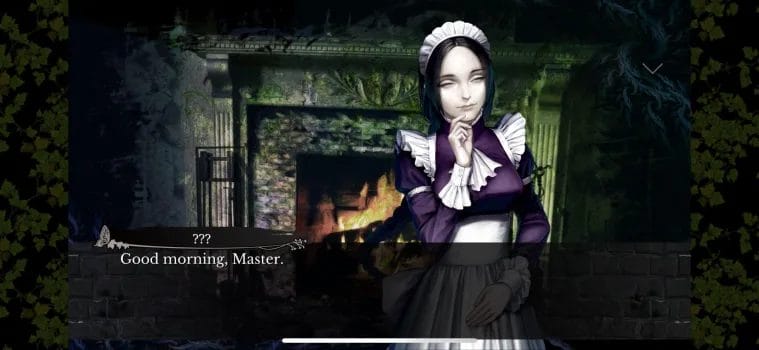
The story begins with a man waking up inside a dark mansion. He has no memory of who he is or how he arrived there. He is completely lost, as if he had been born at that moment. Soon, a woman dressed as a maid appears and calls him “master.” This only adds to his confusion. She calmly explains that he is the owner of the mansion and that she has been waiting for him. To help him remember who he is, she begins telling him stories about the people who once lived in the house and the tragedies they experienced.
Each story takes place in a different era, with different characters and circumstances, but they all feel connected in subtle ways. As you play, you are constantly left with questions, and the game never forgets them. Every mystery has a purpose. Every detail matters. Each tale is heartbreaking on its own, but together they form something much bigger. A story about love, cruelty, mistakes, and the possibility of redemption. The House in Fata Morgana does not rush you through these stories. It allows you to feel the pain, sit with the sadness, and appreciate the rare moments of warmth that appear. By the time it ends, it does not feel like you merely played a game. It feels like you lived through something.
Conclusion
In the end, The House in Fata Morgana isn’t just a game or a visual novel. It’s an experience. It challenges you, breaks your heart, and makes you think about love, regret, and the choices people make. Every character, every story, every note of music feels intentional, and it all comes together to create something unforgettable.
Playing it leaves a mark in a way few games ever do. It’s dark, it’s beautiful, and it’s one of the most powerful stories I’ve ever experienced. Honestly, it’s one of my favorite stories ever told, in any medium. This is a game that deserves to be seen, remembered, and appreciated by anyone who cares about storytelling that goes beyond the surface.